India's market watchdog creates a specialized task force in Mumbai to counter urgent cyber threats and address 'Mythos' security issues.
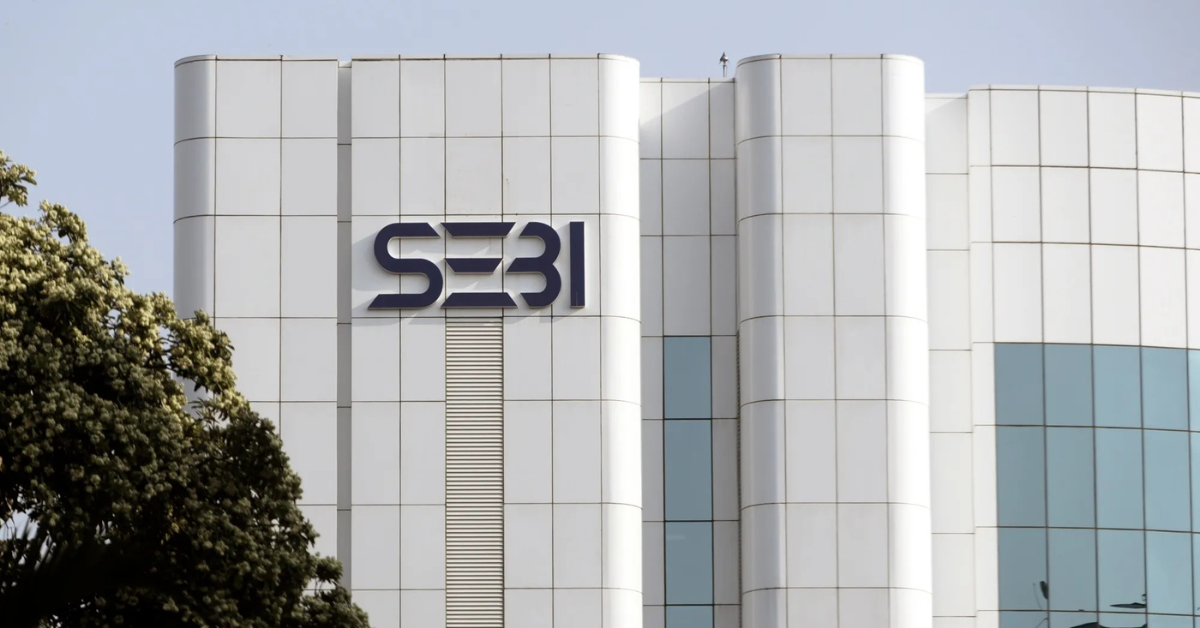
Mumbai crackles with a new kind of tension this week. Regulators, typically known for their measured pronouncements, are moving with an urgent, decisive hand. India's market watchdog, the Securities and Exchange Board of India (SEBI), has established a specialized Cybersecurity Task Force. This isn't a routine administrative update. This is a direct response to what sources describe as "Mythos concerns," a sophisticated, persistent threat vector that has rattled the foundations of market trust.
The implications are immediate and far-reaching. This task force signals a critical escalation in the fight against digital adversaries, particularly those targeting the integrity of financial systems. For founders and operators across the global tech landscape, especially those interfacing with financial markets, this development is a stark reminder: cybersecurity is no longer a peripheral concern. It is the bedrock of market stability, investor confidence, and ultimately, business survival.
The Mythos Menace Takes Center Stage
SEBI's move is a direct consequence of escalating cyber threats that have become increasingly sophisticated. The "Mythos concerns" referenced by multiple sources point to a series of highly coordinated attacks. These intrusions, characterized by their stealth and precision, have targeted critical market infrastructure components. We are talking about attempts to manipulate trading data, compromise investor accounts, and potentially undermine the veracity of transactional records. These are not mere data breaches; they strike at the very heart of financial market integrity.
The threat actors behind Mythos appear to be well-resourced, exhibiting advanced persistent threat (APT) characteristics. Their methodology suggests state-sponsored backing or highly organized criminal syndicates. They deploy zero-day exploits and leverage supply chain vulnerabilities, making detection and mitigation exceptionally challenging. The potential for systemic risk, should such attacks succeed in widespread disruption or data manipulation, is immense. It could erode public trust, trigger market volatility, and inflict significant economic damage.
SEBI's Swift Counteroffensive
SEBI, with its mandate to protect investor interests and regulate India's capital markets, cannot afford to be reactive. Its proactive stance with the task force underscores the gravity of the situation. The task force comprises a formidable lineup: senior SEBI officials, cybersecurity experts from the National Critical Information Infrastructure Protection Centre (NCIIPC), representatives from major exchanges, and seasoned professionals from the financial services sector. Their mission is clear: to fortify India’s financial digital bulwark.
Their immediate objectives include a comprehensive audit of existing cybersecurity frameworks across all regulated entities. They will identify systemic vulnerabilities, standardize incident response protocols, and establish a robust information-sharing mechanism. The goal is to move beyond mere compliance checklists to foster a culture of proactive threat intelligence and adaptive security measures.

Global Resonance and Commercial Ramifications
This isn't an isolated incident affecting only India. Regulators worldwide are grappling with similar challenges. From the U.S. Securities and Exchange Commission (SEC) to the European Securities and Markets Authority (ESMA), the focus on cybersecurity in financial services is intensifying. The cross-border nature of cyber threats means an attack on one nation’s financial infrastructure can have ripple effects globally. This makes SEBI's task force a bellwether for what other jurisdictions might soon implement.
The commercial implications are profound. Consider a global tech platform like Bumble. While its sector is dating, its business model hinges entirely on user trust and data privacy. Reports indicate Bumble’s paying users are slipping. A major cybersecurity incident, exposing sensitive user data or compromising account integrity, would accelerate this decline dramatically. User churn would skyrocket. Investor confidence would evaporate. The valuation would tank. This scenario, though in a different industry, mirrors the existential threat financial firms face. For them, a breach of transactional data or market integrity is a similar, trust-shattering event.
"The formation of SEBI's task force signifies a critical pivot point," states Dr. Anika Sharma, a leading cybersecurity policy analyst based in Singapore. "It acknowledges that cyber threats are no longer merely IT problems. They are strategic, national security concerns that directly impact economic stability and investor confidence. This proactive, collaborative approach is precisely what's needed to counter sophisticated adversaries, and we can expect other global regulators to study and potentially emulate this model."
Dr. Anika Sharma, Cybersecurity Policy Analyst
New Mandates for Digital Fortification
The task force is expected to issue a series of updated mandates. These will likely include requirements for enhanced real-time threat detection, mandatory multi-factor authentication for all critical systems, and regular penetration testing by independent third parties. There will also be a strong emphasis on supply chain security, recognizing that even the most secure primary systems can be compromised through vulnerable vendors.
For fintech startups and established financial institutions, this translates into increased operational costs and a significant reallocation of resources towards cybersecurity. Boards of directors, previously content with annual compliance reports, will now demand deeper insights into their organizations' cyber resilience. Cybersecurity will move from the back office to the boardroom, a critical agenda item demanding constant attention and investment.
The Talent Imperative and Innovation Challenge
One of the most pressing challenges facing the task force, and indeed the entire financial sector, is the severe shortage of skilled cybersecurity professionals. India, despite its vast tech talent pool, faces a significant gap in specialized cyber defense expertise. The task force will likely recommend initiatives to foster talent development, including collaborations with academia and industry training programs.
Moreover, balancing innovation with security remains a delicate act. Fintech innovations, such as blockchain-based solutions and AI-driven trading platforms, introduce new efficiencies but also new attack surfaces. The task force must ensure that regulations do not stifle innovation but rather guide it towards secure development practices. This involves creating a framework where security is 'baked in' from the design phase, rather than bolted on as an afterthought.
A Long Road Ahead
The establishment of SEBI's Cybersecurity Task Force is a powerful statement. It acknowledges the evolving nature of digital warfare and the critical need to safeguard the integrity of financial markets. The "Mythos concerns" serve as a potent reminder that the adversaries are persistent, sophisticated, and constantly adapting. This is not a one-time fix; it is an ongoing battle requiring continuous vigilance, investment, and collaboration.
The world watches as India undertakes this crucial initiative. Its success will not only protect its own markets but also offer invaluable lessons for the global financial community. For founders and operators, the message is unambiguous: your digital perimeter is your first and last line of defense. Invest wisely, prioritize relentlessly, and cultivate a security-first mindset. The future of your enterprise, and indeed the wider economy, depends on it.
Key Takeways
SEBI has formed a Cybersecurity Task Force in response to advanced "Mythos concerns" targeting financial market integrity.
The task force's mandate includes auditing existing frameworks, standardizing incident response, and enhancing threat intelligence sharing.
This move reflects a global trend where regulators are intensifying oversight of cybersecurity in financial services, impacting global operations.
For founders and operators, this means increased compliance burdens, greater investment in cybersecurity, and a fundamental shift in risk assessment.
Effective cybersecurity is now a core business imperative, directly influencing investor confidence and user retention, as evidenced by the commercial impact of trust erosion in platforms like Bumble.
Frequently asked questions
Why did SEBI form a Cybersecurity Task Force?
SEBI formed the task force in response to urgent cybersecurity threats and specifically to address concerns arising from 'Mythos' incidents, aiming to bolster market security.
What is SEBI?
The Securities and Exchange Board of India (SEBI) is the regulatory body for the securities market in India, responsible for protecting investor interests and promoting market development.
What are 'Mythos concerns'?
'Mythos concerns' refer to specific issues, likely related to cybersecurity vulnerabilities or breaches, that prompted SEBI's urgent action to safeguard the financial market.
Where is this task force primarily based?
The formation of the task force and its operations are primarily centered in Mumbai, India's financial hub, reflecting the local impact and focus of the regulatory action.
What is the primary purpose of the task force?
The primary purpose of the task force is to address, mitigate, and respond to cybersecurity threats affecting India's financial markets, ensuring stability and investor confidence.
How will this initiative affect investors?
This initiative aims to enhance the security and stability of the market, thereby protecting investors from potential cyber-related risks, fraud, and data breaches that could impact their holdings.