Ev Mobility

Waymo's First Responder Problem Is Getting Worse as Its Fleet Gets Bigger
Three people were shot dead at a bar called Buford's on West Sixth Street in Austin, Texas. Paramedics were on scene within 57 seconds. And standing between them and the victims was a Waymo robotaxi that had stopped in the middle of the road and wouldn't move.
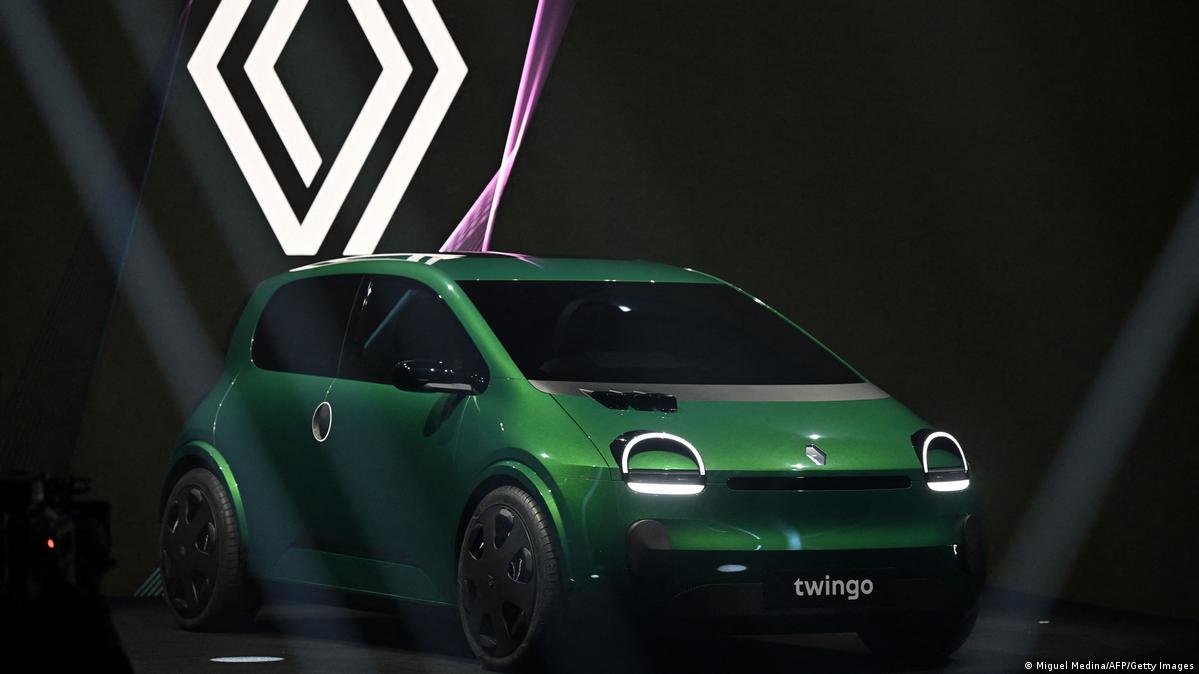
What Renault’s New EV Reveals About the Global Auto Industry
The global automotive industry is undergoing one of its biggest transformations in decades, driven by electrification, software integration, and shifting consumer preferences. The launch of Renault’s latest electric vehicle (EV) offers a deeper look into how automakers are adapting to this new reality and what it signals for the future of mobility worldwide.
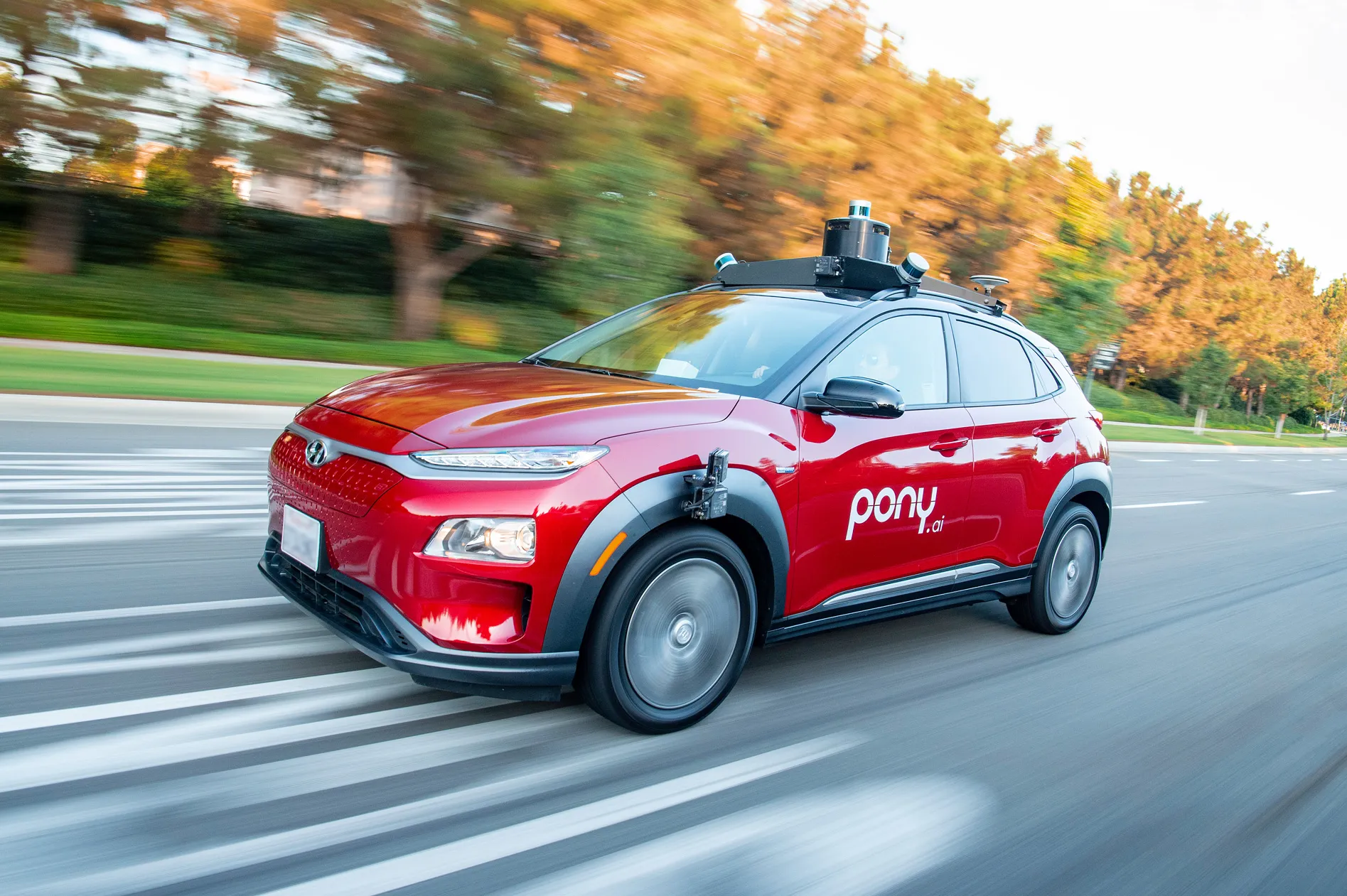
Pony AI, WeRide Expand Robotaxi Fleets Overseas
Chinese AV Firms Look Beyond Domestic Roads
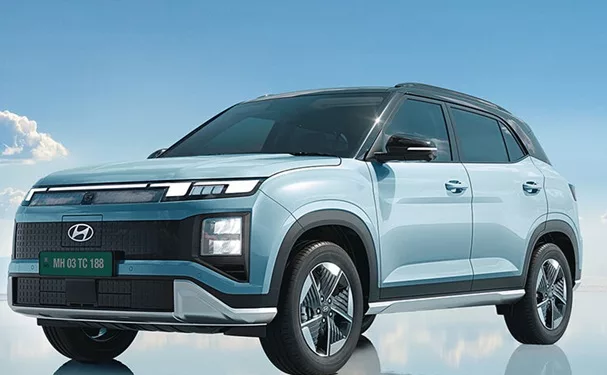
Hyundai Is Separating the Car From Its Battery. If It Works, It Changes Everything About EV Ownership.
The battery is the single most expensive component in an electric vehicle, accounting for 30 to 40% of the total purchase price. It degrades with every charge cycle, loses capacity over time, and — in the absence of a subscription or replacement programme — eventually becomes the primary reason a used EV is worth significantly less than its combustion counterpart. For fleet operators running vehicles at ten times the annual mileage of private owners, that degradation happens fast. A taxi running 120,000 kilometres per year will age its battery in roughly three years what a private driver would take a decade to accomplish. Battery anxiety, in the commercial fleet context, is not an abstract psychological barrier. It is a concrete operational and financial problem.
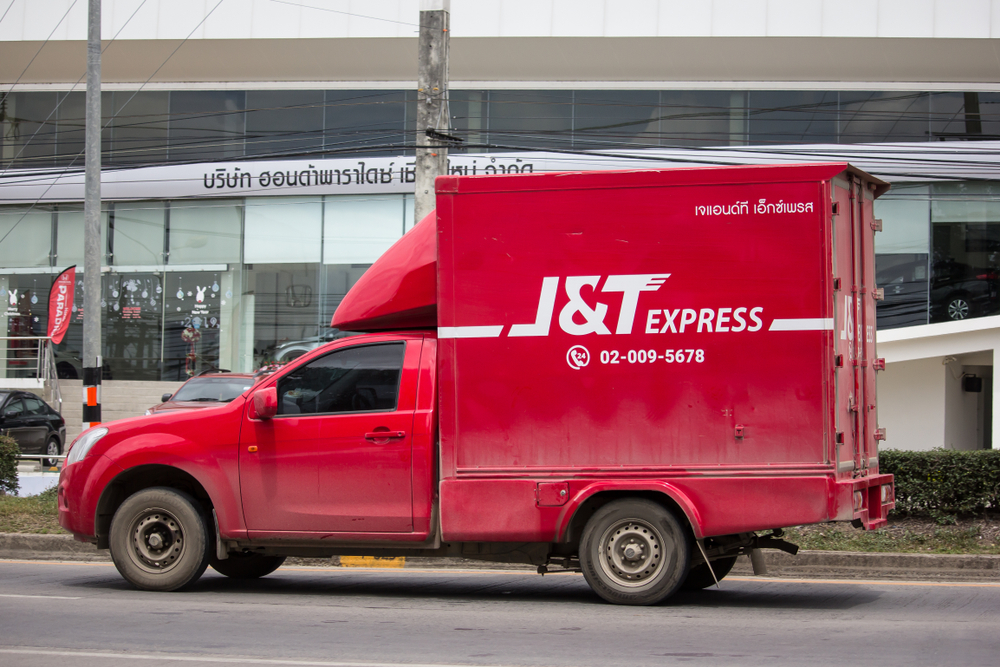
J&T Express Delivered 30 Billion Parcels in 2025. The Logistics Parks and EV Fleet Tell You How.
Ten years ago, J&T Express was an Indonesian startup with a motorcycle fleet and a hunch that Southeast Asia's e-commerce market was about to explode. In 2025, it delivered 30.13 billion parcels across 13 countries, generated $12.2 billion in revenue, more than doubled its adjusted net profit to $425 million, and commissioned its largest global sorting facility in Guangzhou. It also deployed 1,000 autonomous delivery vehicles, expanded to 14 self-built logistics parks covering 1.05 million square metres, and introduced electric trucks into Singapore's fleet. The numbers are extraordinary. The infrastructure decisions that made them possible are worth examining in detail.
Hyundai Is Betting $1.1 Billion That China Will Forgive It for Being Late
The IONIQ V looks like the future. But Beijing Hyundai sold just 125,726 vehicles in all of 2025. Twenty new models won't fix a distribution problem — or a trust deficit.
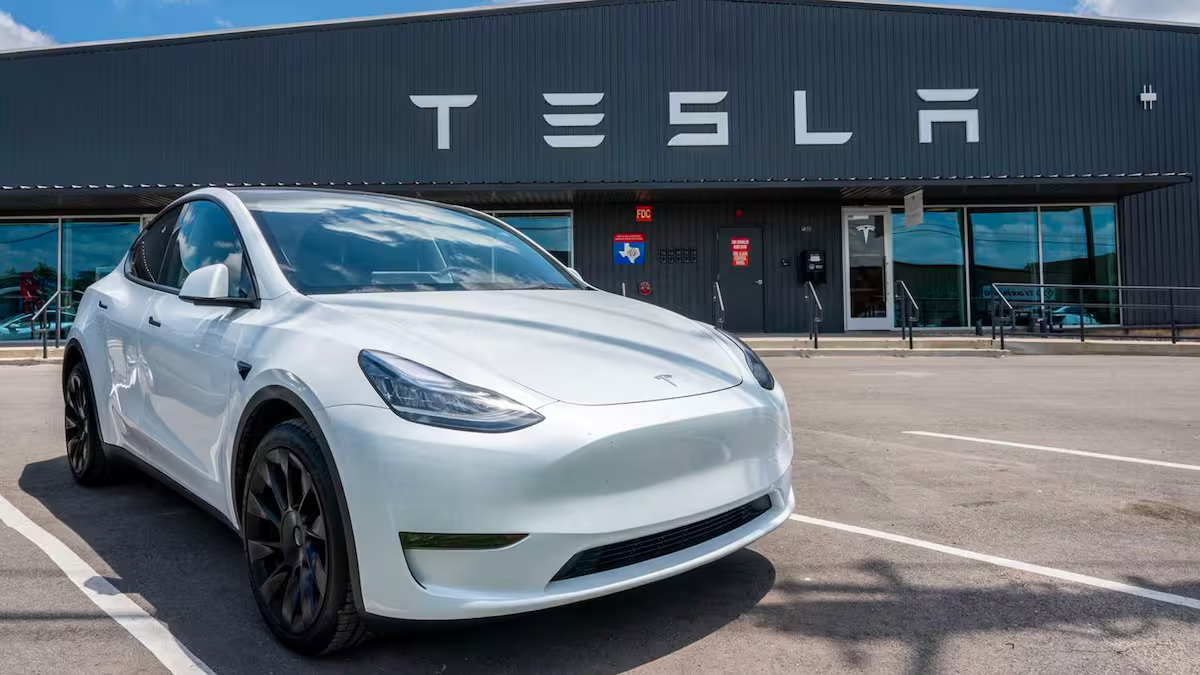
Tesla Sold 20,964 Cars in South Korea in One Quarter. Every Single One Was Made in China.
For the better part of a decade, South Korea's imported car market was German territory. BMW, Mercedes-Benz, and Audi owned the premium import conversation so completely that the question wasn't which German brand led — it was which German brand led by more. That order collapsed in Q1 2026, and the company that collapsed it wasn't Korean. It wasn't European. Technically, it was American.
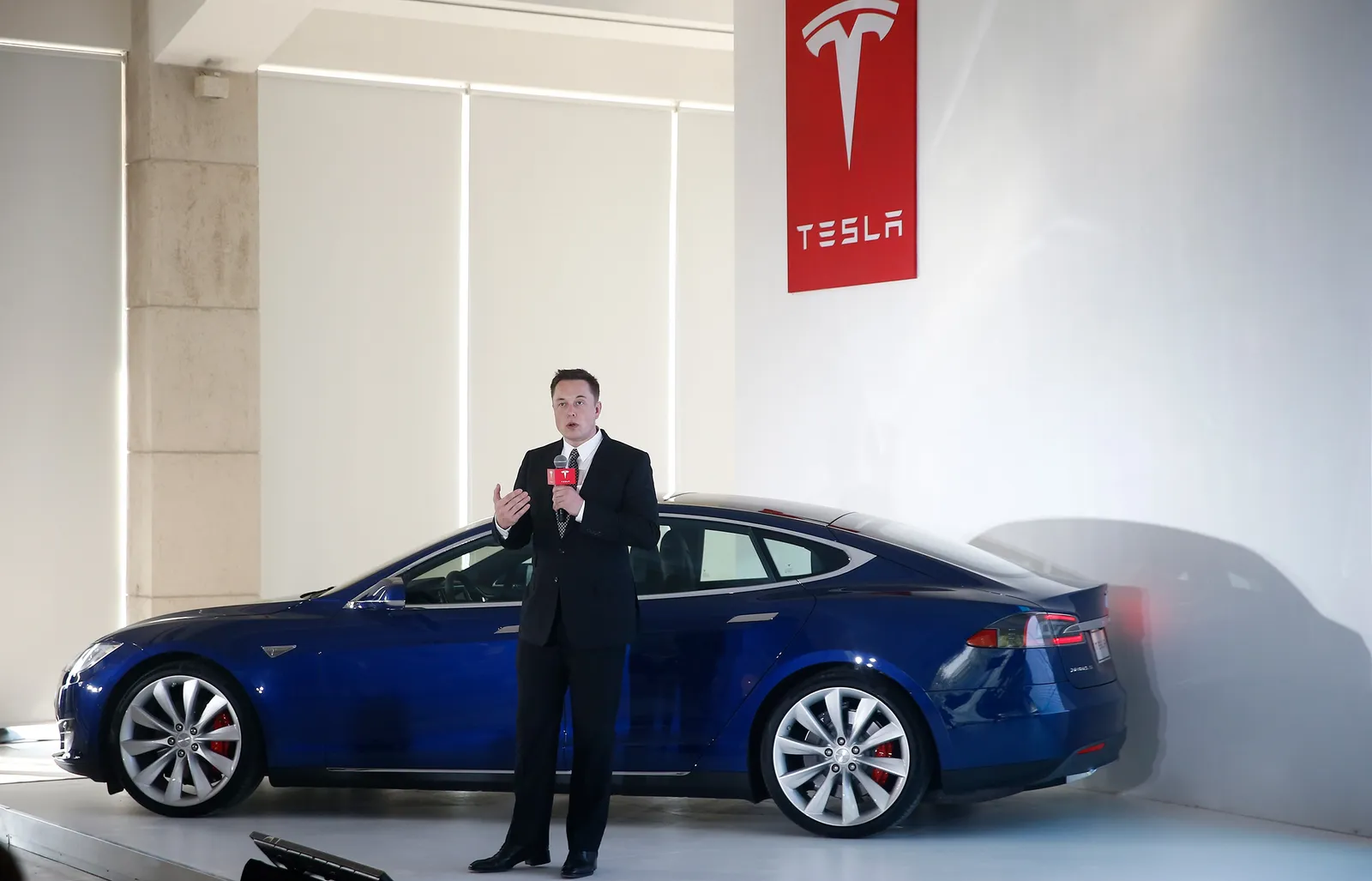
Tesla's Seven-Year Broken Promise: What Elon Musk's Hardware Admission Really Costs
The FSD confession wasn't just a product update. It's a slow-motion liability event — and a cautionary tale for every founder who ever pre-sold the future.
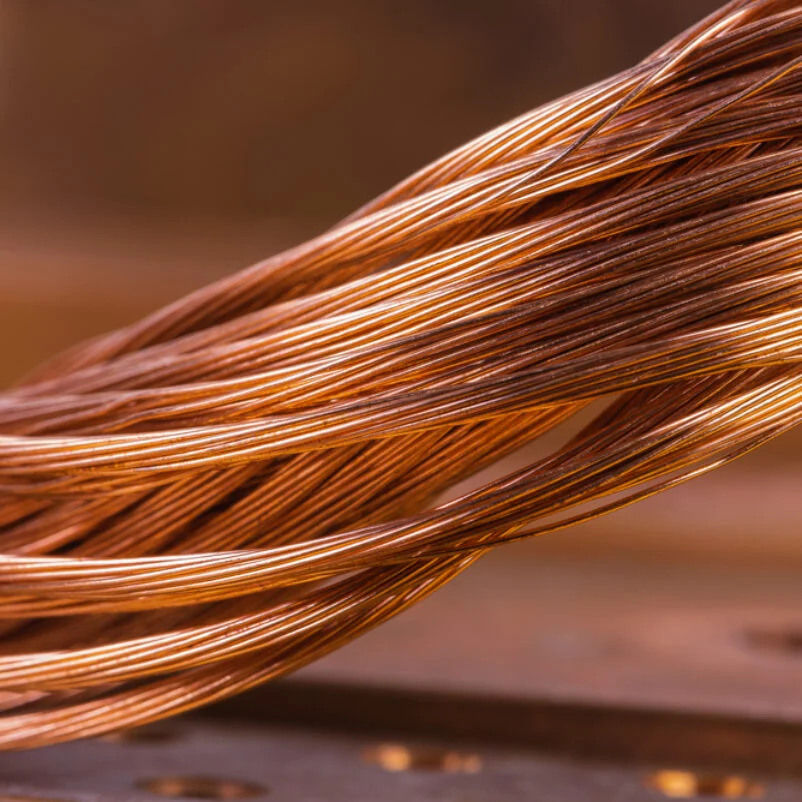
The Chemical You've Never Heard of Is Quietly Threatening the Global Copper Supply
China's halt on sulphuric acid exports — a low-profile industrial byproduct — is colliding with a war-driven supply crunch to put copper, nickel, and fertiliser output at serious risk.
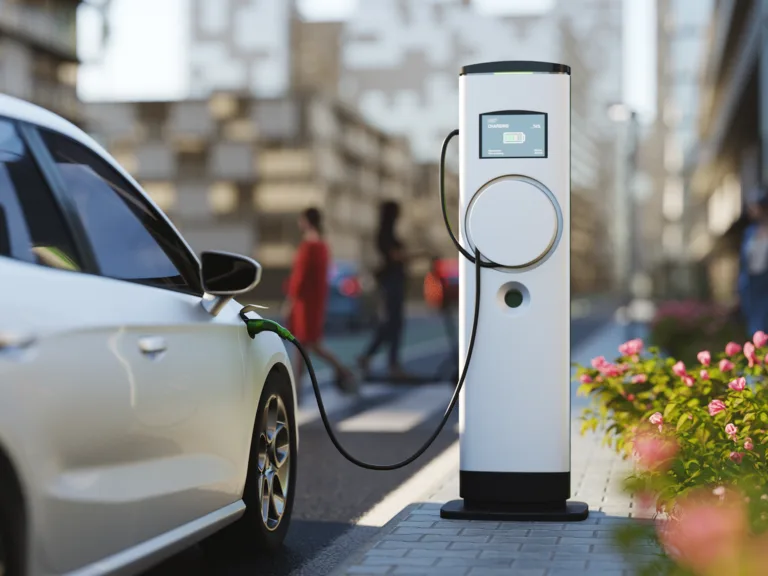
The battery that makes range anxiety a relic — and the geopolitical storm it's sailing into
CATL just announced a cell that goes 1,500 km on a charge and fills up in six minutes. The real story isn't the chemistry. It's who gets access to it.
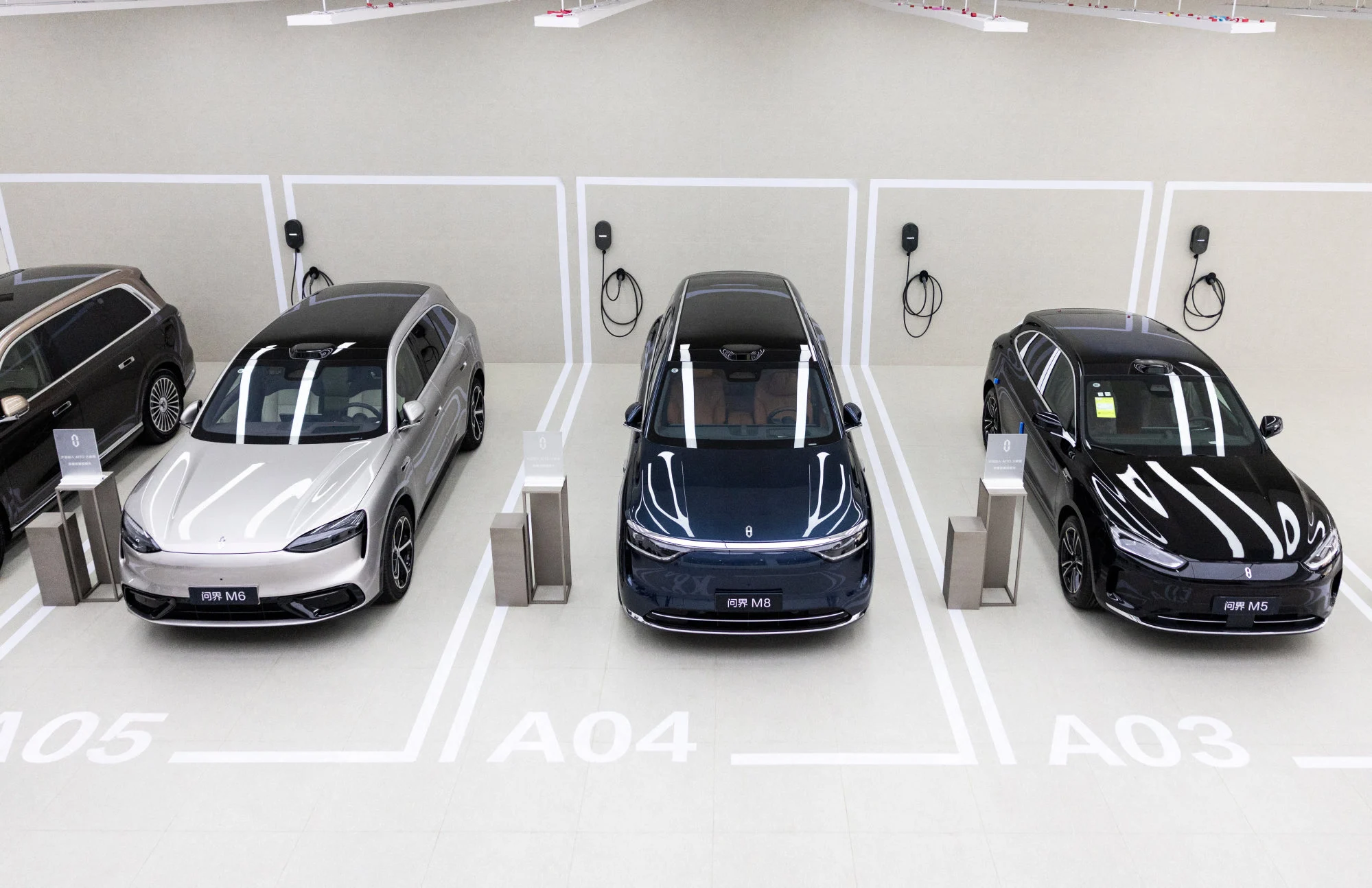
Huawei to Invest $11.7B in Self-Driving Car Technology
Huawei is committing $11.7 billion to accelerate development of self-driving car technologies, marking one of the most substantial investments by a Chinese tech firm into autonomous mobility infrastructure.
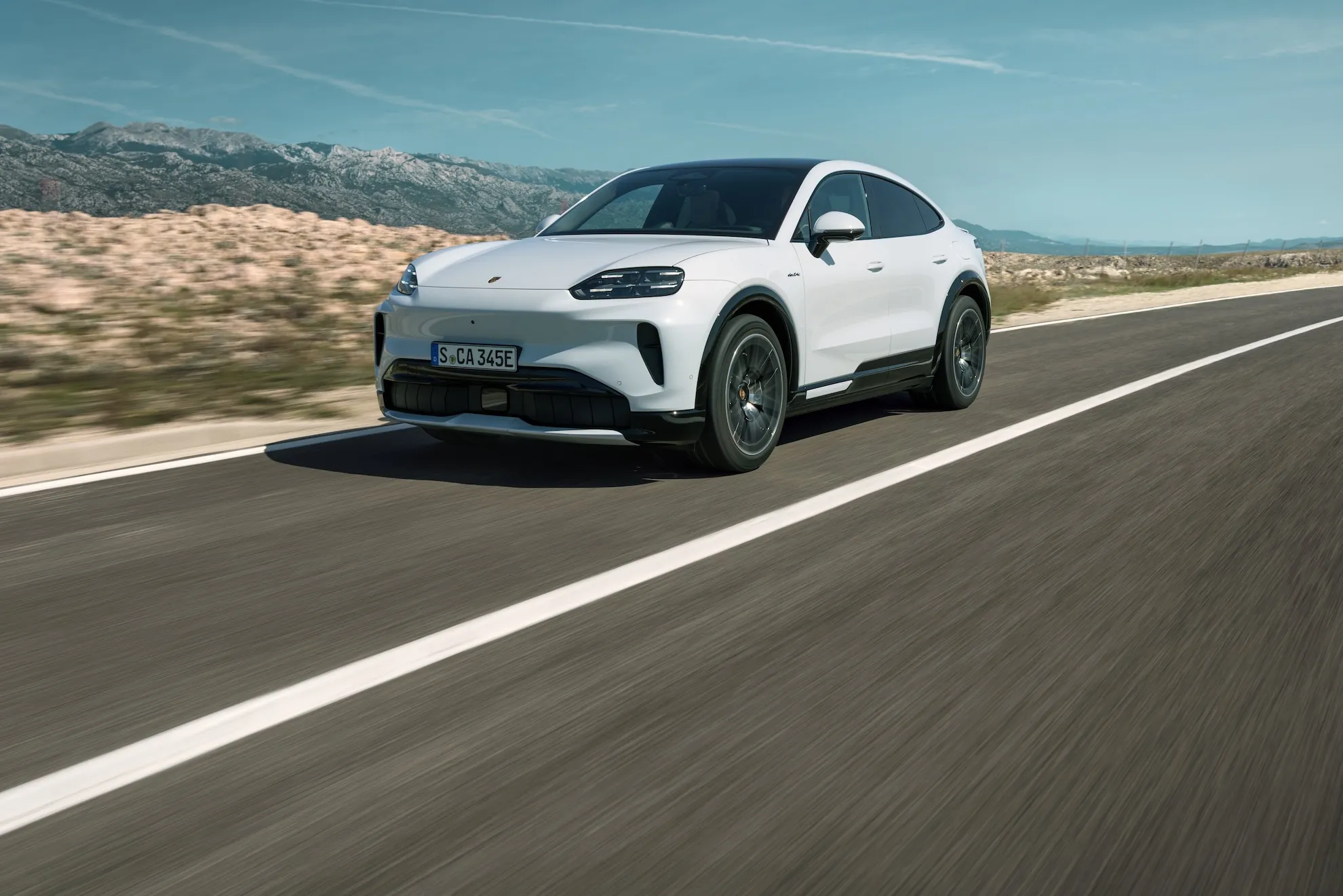
Porsche to Add All-Electric Cayenne Coupe to EV Lineup
Porsche is preparing to introduce an all-electric version of its Cayenne Coupe, signaling a further acceleration of its transition toward electrified performance vehicles. The addition builds on Porsche’s expanding EV lineup and reinforces its strategy to electrify core nameplates rather than introduce entirely new ones.
Hyundai to Launch Ioniq EV, Reset China Strategy
Hyundai Motor is preparing to launch a new Ioniq electric vehicle in China while overhauling its broader strategy in a market that has become increasingly difficult for foreign automakers. China remains the world’s largest EV market, but it is also one of the most competitive — and unforgiving — for international brands.
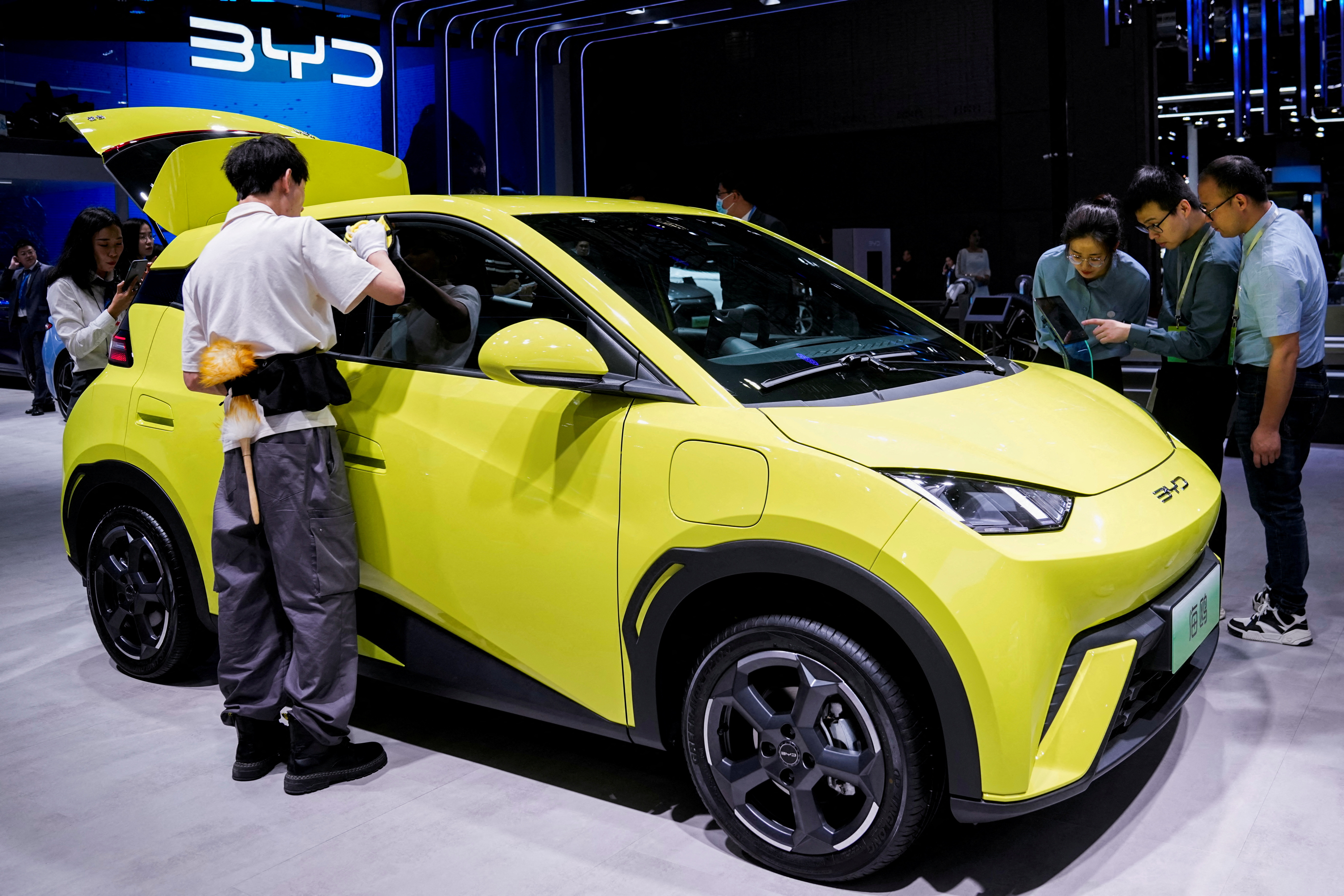
BYD and Rivals Deepen EV Price Cuts in China
BYD and several domestic rivals have rolled out fresh price reductions across select EV models, deepening a price war that has defined much of the sector’s recent trajectory. The renewed cuts reflect a mix of slowing demand growth, inventory pressures and fierce rivalry among both domestic and foreign brands.
Tech Mahindra Profit Rises 16% in Q1 but Misses Estimates
Tech Mahindra posted a 16% year-on-year rise in quarterly profit, signaling operational improvement even as revenue growth remained under pressure. However, the results fell short of market estimates, underscoring the continued strain on India’s IT services sector from cautious enterprise spending in North America and Europe.
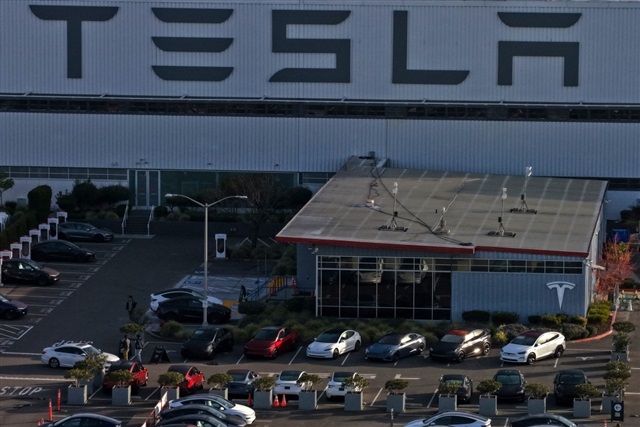
Tesla Taps Intel 14A Process for Terafab Chip Production
Tesla is deepening its vertical integration strategy — this time in silicon. The electric vehicle maker is reportedly planning to use Intel’s upcoming 14A process node to manufacture its Terafab AI chips, custom silicon designed to power advanced autonomy and robotics applications. For Tesla, the decision signals a strategic pivot in chip sourcing. For Intel, it represents a high-profile validation of its advanced foundry roadmap.
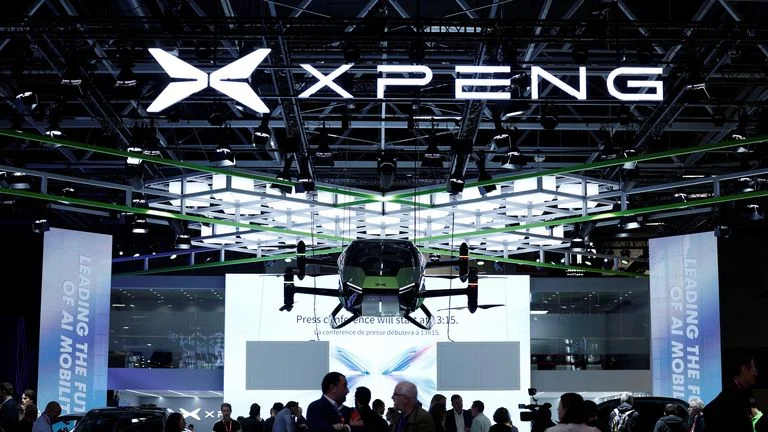
Xpeng Targets Flying Car Deliveries by 2027
Xpeng has set a 2027 target to begin deliveries of its flying car, positioning itself among a small group of automakers attempting to commercialize electric vertical takeoff and landing (eVTOL) vehicles. The initiative is being developed under its aviation-focused subsidiary, XPeng AeroHT, which has been testing modular and road-capable aerial vehicle concepts.
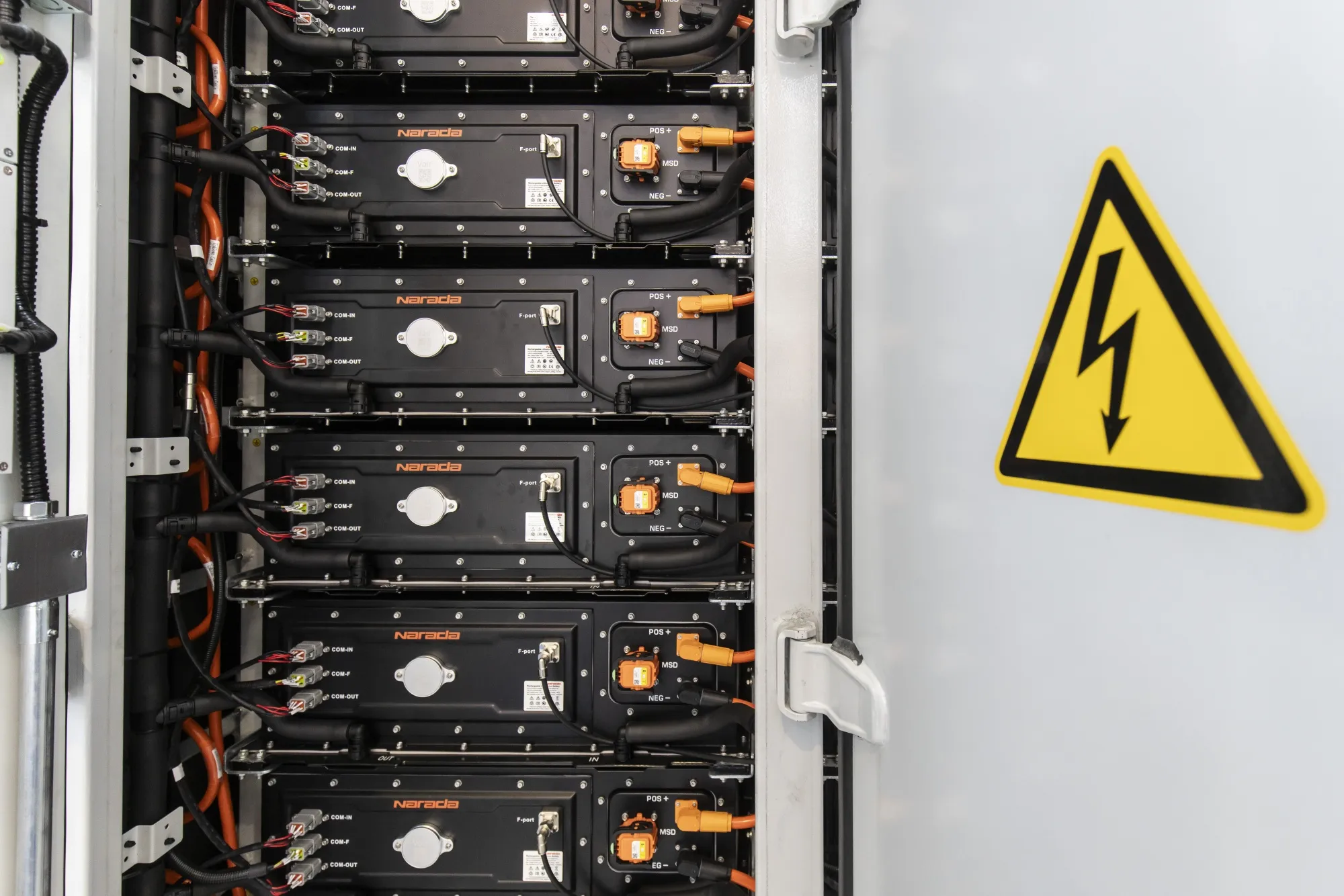
Gotion Says Energy Storage Demand to Outpace EV Batteries
Gotion High-Tech has indicated that energy storage demand is poised to grow faster than electric vehicle battery demand, underscoring a structural change in global electrification markets. For years, EVs have dominated battery production expansion. Now, grid-scale storage is emerging as the next growth engine.
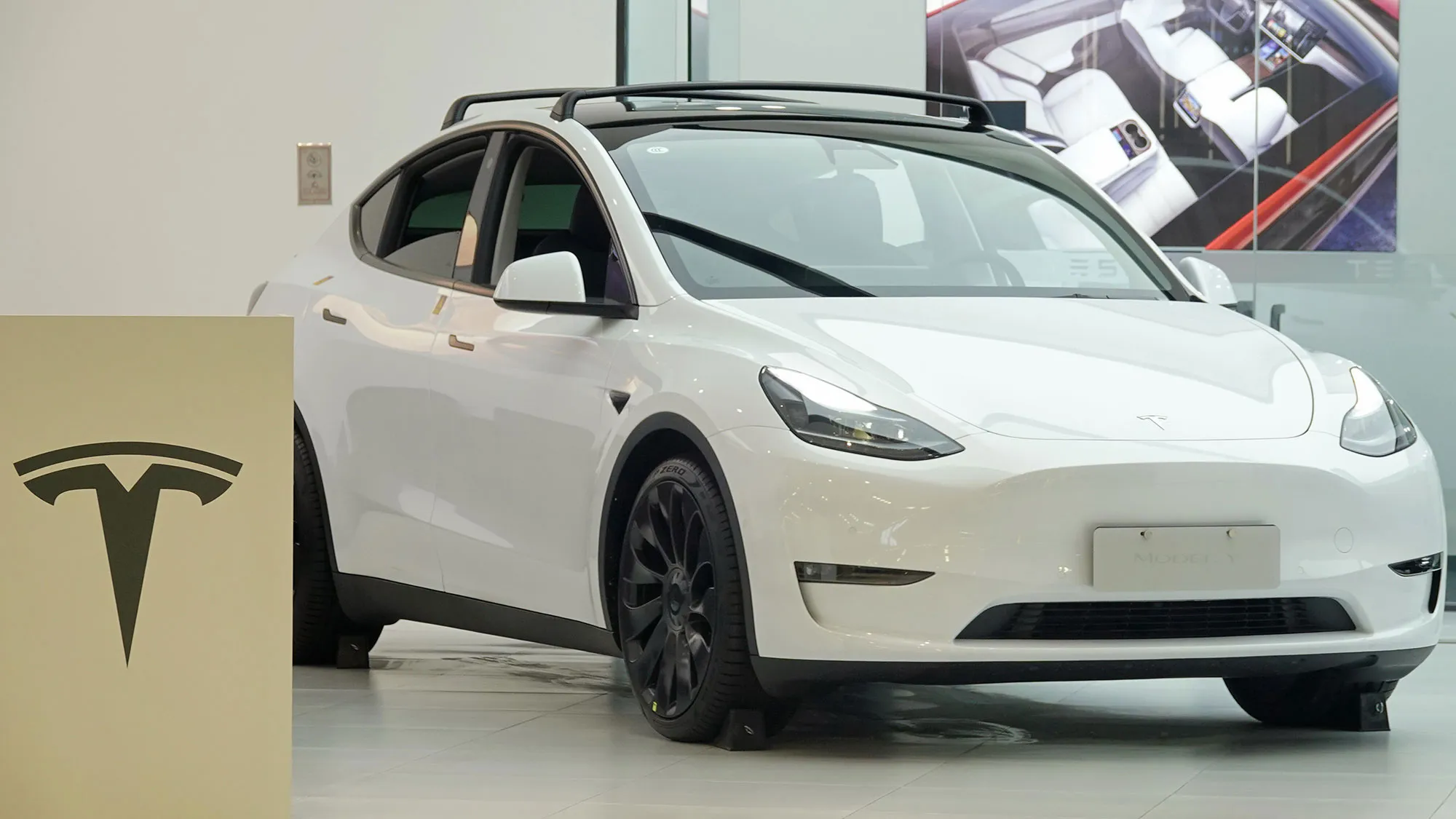
Elon Musk Says Millions of Teslas Need Hardware Upgrades for True FSD
Elon Musk has acknowledged that millions of existing Tesla vehicles will need hardware upgrades to achieve what he describes as “true” Full Self-Driving (FSD). The statement marks a significant clarification in Tesla’s long-running autonomy narrative — and carries financial, technical and reputational implications.

