Ecommerce

The $105 Million Exit of Skio Signals the End of the Mega-Round Era
In a market still reeling from the hangover of blitzscaling, a lean Shopify subscription tool just proved that $8 million in venture capital is enough to build a nine-figure cash exit.
Meesho to appeal $1.5m tax demand in India
Meesho's ₹1,500 Crore Tax Fight Is About More Than One Bill India's income tax department just handed the country's newest publicly listed e-commerce company a ₹1,499.73 crore demand notice. Meesho says it's wrong. The real question is what it means for every Indian marketplace that came after it.
Cars24's Founder Exits Tell You More About Its IPO Than Its Press Releases Do
There's a version of this story where three senior exits in eight weeks at a company preparing to go public looks like a crisis. That version has been doing the rounds on LinkedIn and in WhatsApp groups of investors. It's not the right read.
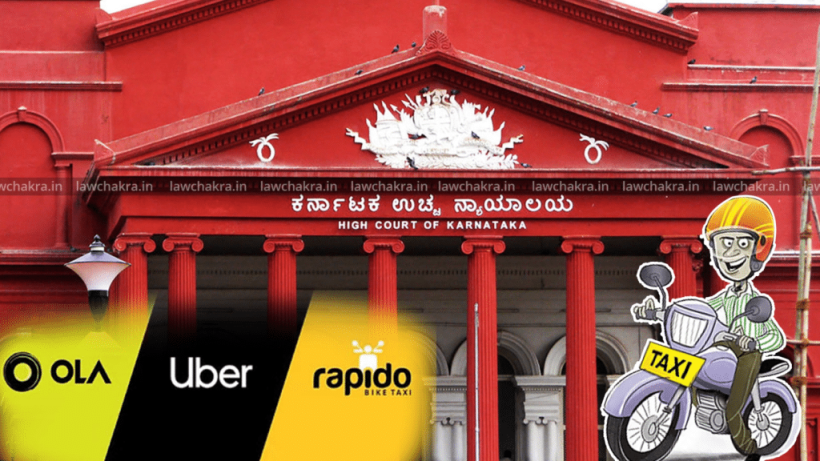
Karnataka Vs. the Constitution: Why India's Bike Taxi Wars Keep Ending Up in the Supreme Court
The Indian State That Keeps Banning a Business It Admits It Wants to Legalise
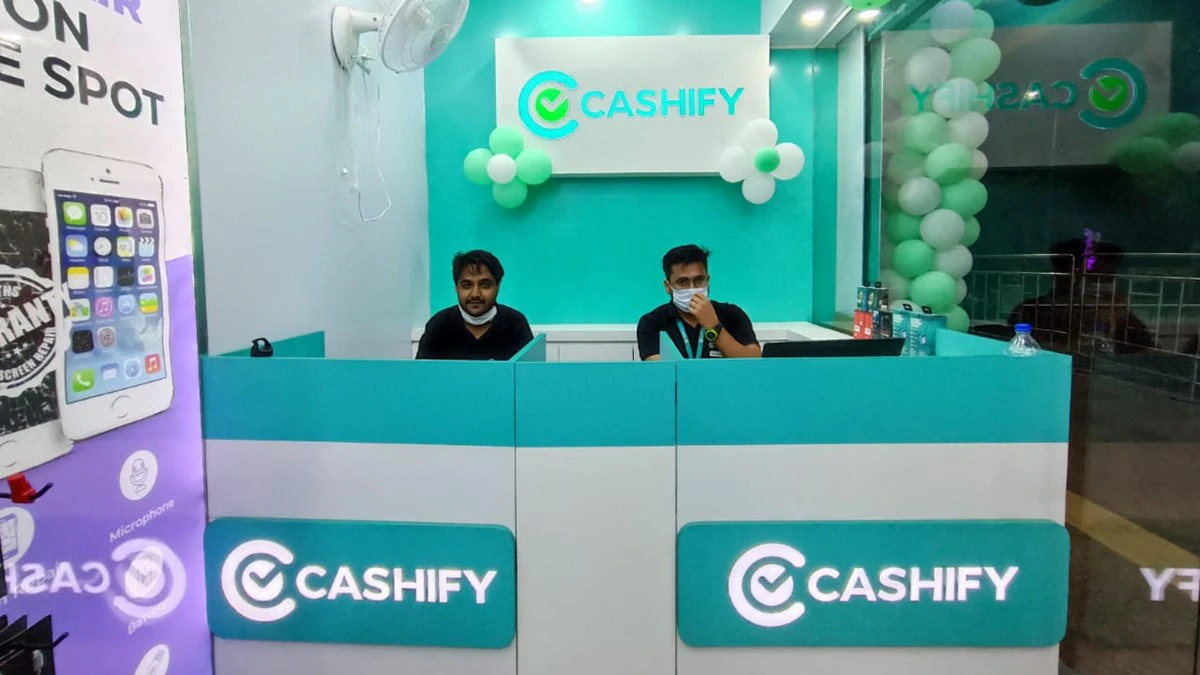
Cashify's Decade-Long Bet on India's Grey Market Is Finally Paying Off
The Gurugram-based recommerce startup didn't kill India's chaotic used-phone trade — it swallowed it whole. With ₹1,096 crore in revenue, a near-profitable balance sheet, and an IPO clock ticking, Cashify's circular economy play is no longer a thesis. It's a business.

Unicommerce Bets on AI and Acquisitions in FY27 Amid Rising Ecommerce Complexity
As ecommerce operations become increasingly complex, Unicommerce is doubling down on artificial intelligence and strategic acquisitions to stay ahead. The SaaS platform, known for enabling order management and supply chain automation, is preparing for FY27 with a clear focus on scaling its capabilities through technology and inorganic growth.
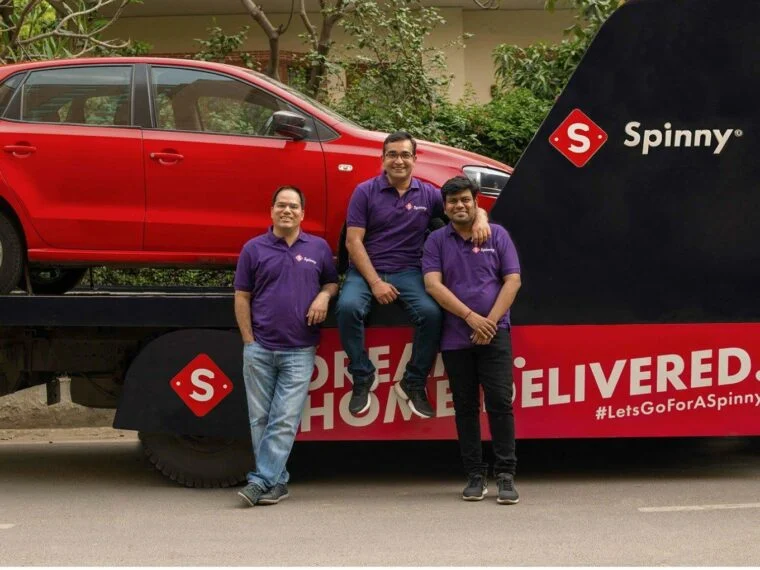
Spinny Ropes In Investment Bankers for Potential IPO Next Year: Report
India’s used-car marketplace Spinny is preparing for a major milestone as it eyes a public listing. According to recent reports, the Tiger Global-backed startup has engaged leading investment banks to explore a potential Initial Public Offering (IPO), signaling its intent to enter the public markets in the near future.

Blinkit’s Adjusted EBITDA Surges 9X in Eternal’s Q4
A Sharp Turn in Unit Economics
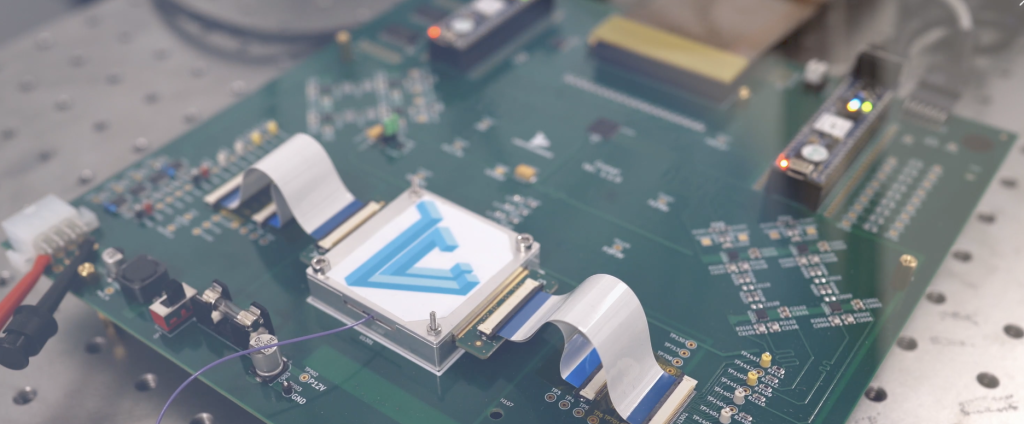
Alibaba, Temasek Back Lightelligence’s $319M Hong Kong IPO
High-Profile Backers Anchor AI Chip Listing

Amazon's 100-City Quick Commerce Push in India Is a War Declaration, Not a Product Launch
Two Stanford dropouts built Zepto at 19 and made 10-minute grocery delivery India's new baseline. Zomato bought a struggling Grofers for $570 million and turned it into Blinkit — now worth at least $15 billion. Swiggy wired its food delivery network into Instamart and never looked back. For years, Amazon watched all of this happen from the sidelines, tinkering with Amazon Fresh while the quick commerce segment compounded at 40% annually into a $6–7 billion market. That patience is over.

India's Ecomm Giants Are Building Agentic AI Storefronts.
India's $400 billion ecommerce market is being quietly rewired. Meesho, Flipkart, and a new wave of D2C brands aren't just adding AI features. They're rebuilding their storefronts to be read, navigated, and transacted by machines — and the investors who understand what that means will have a head start.
The $150 Billion Blind Spot: Why Beauty Brands Ignored Their Most Loyal Spender
Gen X accounts for 44% of beauty dollars spent in the US — more than any other generation. The industry spent a decade looking the other way.
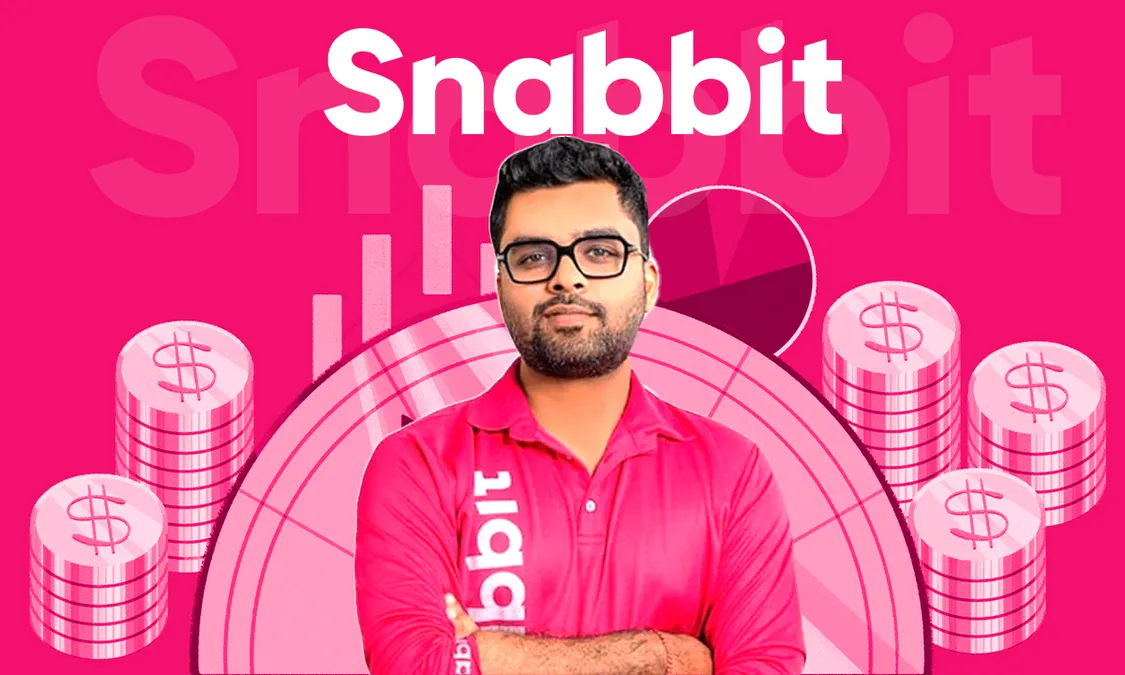
Snabbit's $400M Bet Is Really a Wager on Whether India Will Regulate Itself Out of a Market
The fastest-growing startup in Indian consumer tech isn't an AI company. It's a two-year-old app that sends women into strangers' homes to do the dishes — and investors can't write checks fast enough.

Indian Ecommerce Firms Build Agentic AI Storefronts
The Shift From Static Catalogs to Intelligent Agents

Reliance Retail Expands Ajio Rush to 600+ Cities
Fast Fashion Meets Quick Commerce
Flipkart Considers Standalone App for Quick Commerce Arm Minutes
Flipkart is evaluating whether to spin out its quick commerce vertical, Minutes, into a standalone mobile application — a strategic shift that could sharpen its competitive positioning in India’s rapidly expanding instant delivery segment. The deliberation comes as quick commerce transitions from experimental add-on to core battlefield for ecommerce platforms.
Zomato Withdraws Price Parity Clause From Restaurant Contracts
Zomato has removed the price parity clause from its restaurant contracts, marking a significant shift in its marketplace policy. The clause previously required restaurant partners to maintain the same pricing on Zomato as on competing platforms or their own channels. Its withdrawal could alter pricing dynamics across India’s food delivery ecosystem.
Alibaba’s Qwen AI Partners With China Eastern for Flight Booking
Artificial intelligence is moving from chat experiments to transaction engines. Alibaba’s large language model, Qwen, is now partnering with China Eastern Airlines to enable AI-powered flight booking and customer service functions. The collaboration signals how generative AI is being embedded directly into commerce workflows — not just used for information retrieval.

Marketplaces Now Account for 61% of European Ecommerce
Online marketplaces — where third-party sellers transact via centralized platforms — now represent 61% of total ecommerce sales across Europe. The figure highlights a structural shift in how consumers shop and how merchants scale. Independent online stores are no longer the primary growth engine. Marketplaces are.
