Web3 Blockchain


When a Steel Giant Decides to Stress-Test Your Blockchain, You've Crossed Into Something Real
The moment that separates a blockchain proof-of-concept from genuine institutional infrastructure isn't the signing ceremony or the press release — it's when a company with 40,000 overseas transactions a year decides to run its actual trade operations through it.

Polymarket's Push to Re-Enter America Is the Most Important Regulatory Bet in Finance Right Now
In 2022, Polymarket paid the US government $1.4 million and agreed to block every American from its platform. In 2026, the NYSE's parent company has invested $1.6 billion into it, its March trading volume crossed $10 billion for the first time, and it is now in active discussions with the CFTC to undo the very restriction that settlement imposed. That four-year arc — from regulatory exile to mainstream financial infrastructure — is the story of prediction markets' emergence as a genuine asset class. And the chapter being written right now, in conversations between Polymarket's team and CFTC officials, may be the most consequential one yet.

Bitget's Blockchain4Youth Hub Tackles Web3's Biggest Hiring Problem — Courses That Lead Nowhere
Here is the paradox at the heart of Web3's talent crisis in 2026: the industry has never hired more aggressively, and it has never been harder for newcomers to break in. Web3 job postings hit all-time highs in 2025, with approximately 8,000 to 12,000 active global positions at any given time — a 47% rebound in hiring, building on a 300% surge in openings from 2023 through 2025. At the same time, developer roles consistently attract near 450 applicants per posting, while non-technical roles draw 60 to 120 — a candidate oversupply that coexists, paradoxically, with companies unable to fill specialised positions for months. Business TodayMEDIANAMA
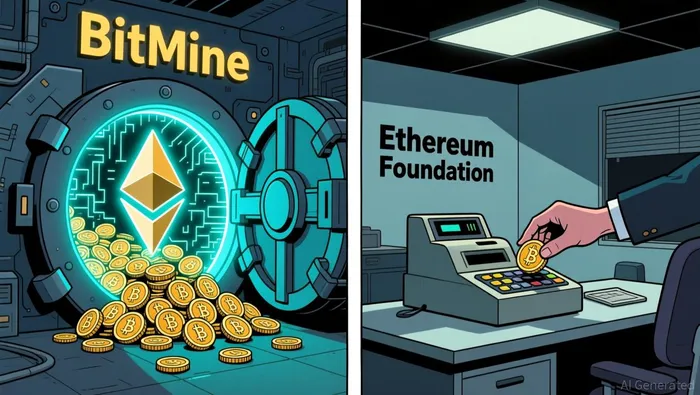
The Crypto Foundation Is Selling. The Company Buying It Is Down $6 Billion. Both Think They're Winning.
The Ethereum Foundation just sold 10,000 ETH — the native currency of the blockchain it stewards — to a company that has already lost more than six billion dollars on its ETH holdings. And then, the week after, that company bought 101,627 more.

BitDelta Launches Crypto Exchange Operations in India
Global cryptocurrency exchange BitDelta has begun operations in India, expanding its footprint into a market that remains both high-growth and heavily scrutinized. The launch comes as India’s crypto ecosystem stabilizes after a period of regulatory tightening and tax reforms. Despite policy headwinds in recent years, retail participation and developer activity have remained resilient. For BitDelta, the decision reflects a long-term bet on India’s digital asset adoption curve.
HTX Founder Shifts Trading Unit to Bitfire
The founder of the exchange has shifted a trading-focused unit to Bitfire, a move that signals strategic recalibration in a rapidly evolving digital asset market. While details of the transition remain limited, the development points to deeper structural adjustments within centralized crypto trading platforms.

Bitcoin Tops $77K After $2.5B BTC Purchase, Trump Pledge
The rally follows reports of a $2.5 billion Bitcoin purchase alongside renewed pro-crypto pledges associated with Donald Trump. Together, the developments injected optimism into a market that has been oscillating between consolidation and breakout territory.

North Korean Hackers Blamed for $290M Crypto Theft
Authorities have attributed a $290 million cryptocurrency theft to North Korean-linked hackers, highlighting continued state-sponsored cyber activity targeting digital asset platforms. A fresh multimillion-dollar cryptocurrency theft has been attributed to North Korean hackers, intensifying scrutiny on the intersection of state-sponsored cybercrime and digital asset markets. Investigators say roughly $290 million in crypto assets were siphoned from a targeted platform in what appears to be a coordinated breach. While full forensic details are still emerging, cybersecurity analysts have linked the attack to North Korea–aligned groups known for sophisticated blockchain exploits.

Bitcoin Swings on Hormuz Reports, $762M Liquidated
Bitcoin experienced sharp price swings following reports linked to the Strait of Hormuz, leading to approximately $762 million in crypto liquidations. The volatility highlights how geopolitical tensions continue to ripple through leveraged digital asset markets. Geopolitics has once again jolted crypto markets.
Senate Agriculture Committee Delays Crypto Market Structure Hearing
Momentum around U.S. crypto legislation has hit another pause. The United States Senate Committee on Agriculture, Nutrition, and Forestry has postponed a planned hearing focused on digital asset market structure, underscoring continuing divisions among lawmakers and industry participants over how cryptocurrencies should be regulated.

UK Financial Regulator Consults on New Crypto Rules for 2027
Britain is moving from crypto rhetoric to rulemaking. The Financial Conduct Authority has launched consultations on a new regulatory regime for crypto firms, laying groundwork for rules expected to come into force by October 2027. The framework would bring digital asset businesses under a more structured supervisory system, aligning crypto oversight more closely with traditional financial services regulation.

Riot Platforms Cuts Bitcoin Holdings Amid Market Repositioning
Public Bitcoin miners are no longer following a single treasury playbook. Riot Platforms has reduced its Bitcoin holdings, reflecting a strategic reassessment as volatility persists in digital asset markets. The adjustment comes at a time when crypto-linked companies are increasingly splitting into two camps: those doubling down on Bitcoin accumulation and those diversifying or de-risking.
Institutional Stablecoin Use Triples as B2B Payments Surge
While retail crypto trading often dominates headlines, institutional usage of dollar-pegged digital tokens has surged, with transaction volumes in B2B contexts reportedly tripling over the past year. The growth reflects rising demand for faster, programmable cross-border settlement outside traditional banking rails.
Bitcoin Posts Third Weekly Gain, Holds Above $75K
As of April 17, 2026, Bitcoin is holding above $75,000, recording its third straight weekly gain. The milestone underscores renewed momentum in digital asset markets after months of consolidation earlier this year.
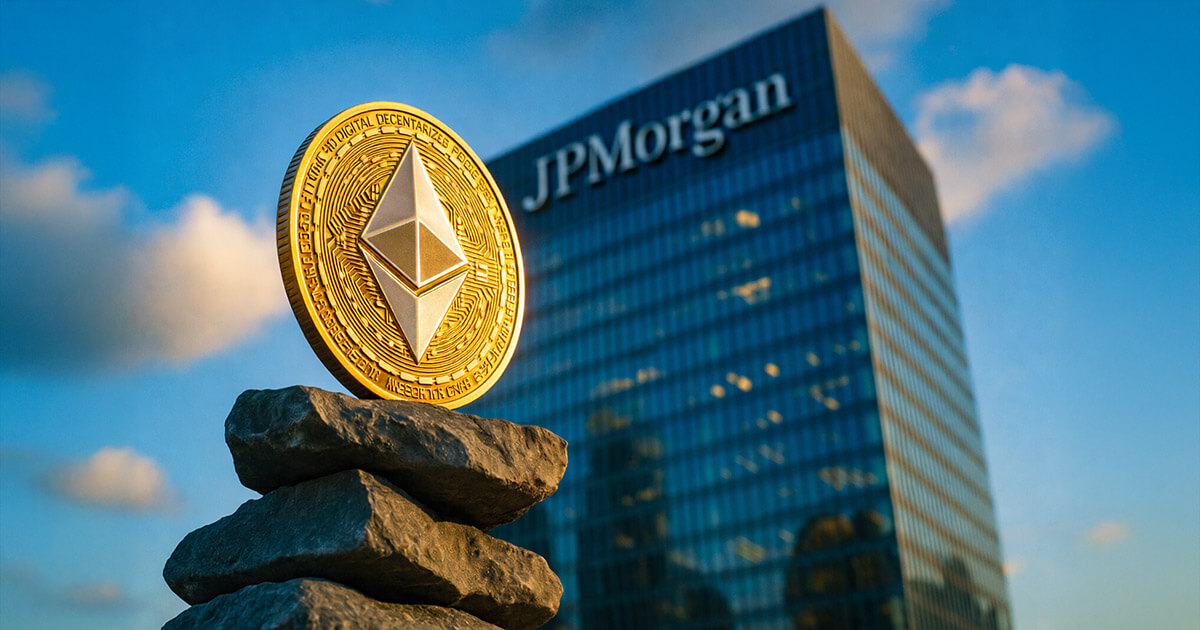
JPMorgan Questions Ethereum’s Growth Path After Latest Network Upgrade
JPMorgan says Ethereum’s most recent network upgrade improves technical performance but does not, on its own, resolve deeper questions about long-term growth and user adoption. Analysts remain cautious about whether the changes will materially boost demand for the network. Ethereum has delivered another major technical upgrade — but that may not be enough to change […]

NYSE Moves Toward 24/7 Markets With Blockchain Securities Platform
For more than two centuries, financial markets have been defined by opening bells, closing times, and geographic boundaries. Trading hours reflected the limits of human availability, paper-based settlement, and national regulation. That structure is now facing one of its most significant challenges yet. The New York Stock Exchange is preparing to launch a 24/7 trading […]

Vitalik Buterin Says Ethereum Has Solved Blockchain’s Trilemma
According to Ethereum co-founder Vitalik Buterin, the network has crossed a historic milestone in blockchain design—effectively solving the long-debated blockchain trilemma.In a recent post shared on X, Buterin said that a combination of recent and upcoming protocol upgrades puts Ethereum on a credible, production-ready path to achieving decentralization, security, and scalability at the same time. […]

Is a Crypto License in Dubai Worth It in 2025? A Practical Guide for Founders
With the global cryptocurrency market surpassing $2.7 trillion in value as of mid-2025, entrepreneurs everywhere are scrambling to establish legitimate operations in supportive jurisdictions. Yet many founders still wonder: does securing a Dubai crypto license truly deliver the edge needed to thrive amid evolving regulations and fierce competition? Dubai has transformed into one of the […]
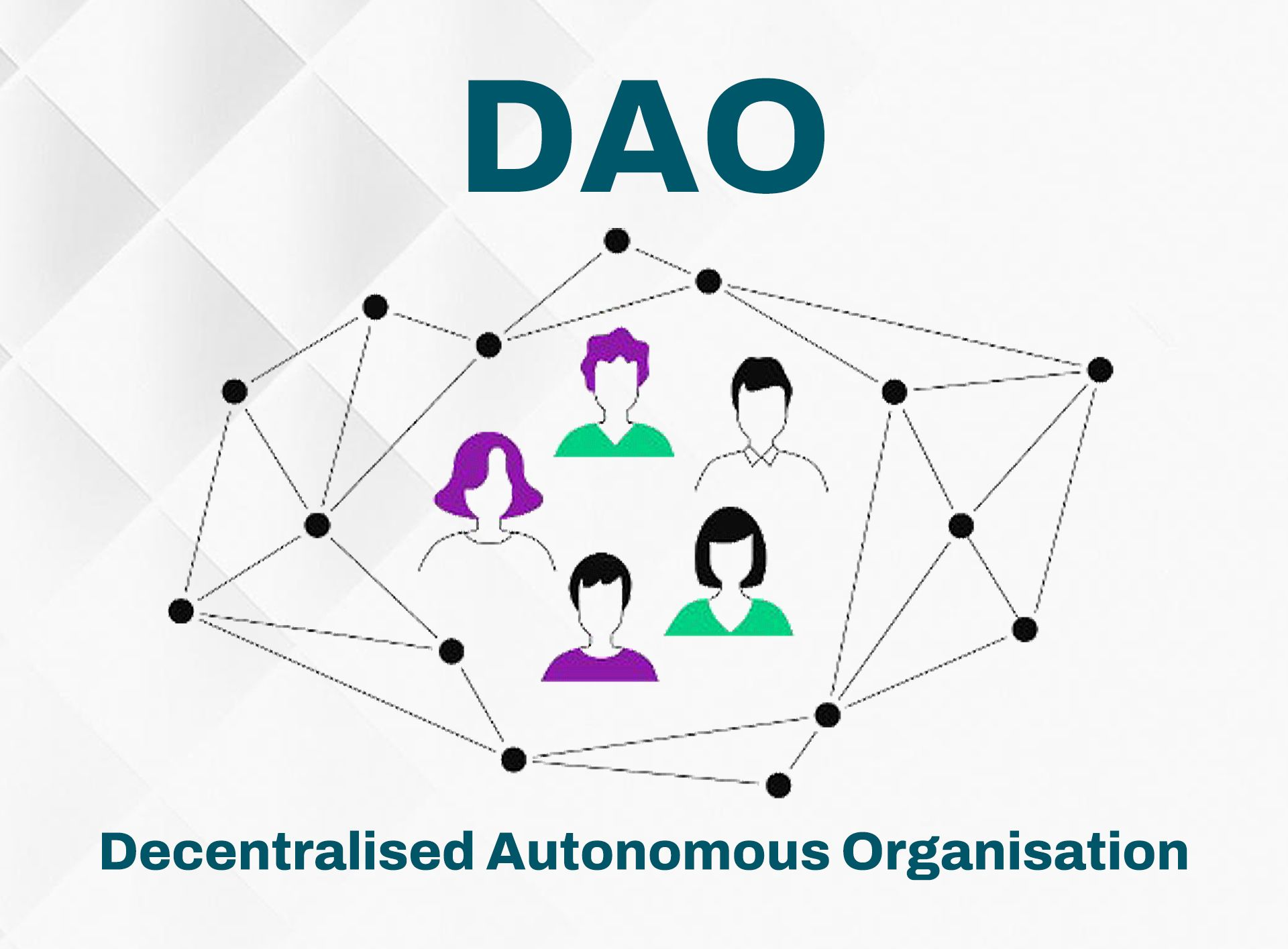
What is a DAO in crypto and how does it work?
A Decentralized Autonomous Organization, or DAO, is a community that coordinates with code instead of a traditional hierarchy. Smart contracts set the rules, hold shared funds, and execute approved actions. Anyone who holds the project’s governance tokens can propose ideas or vote on initiatives. The aim is simple: align incentives so that people who care […]

