Fintech

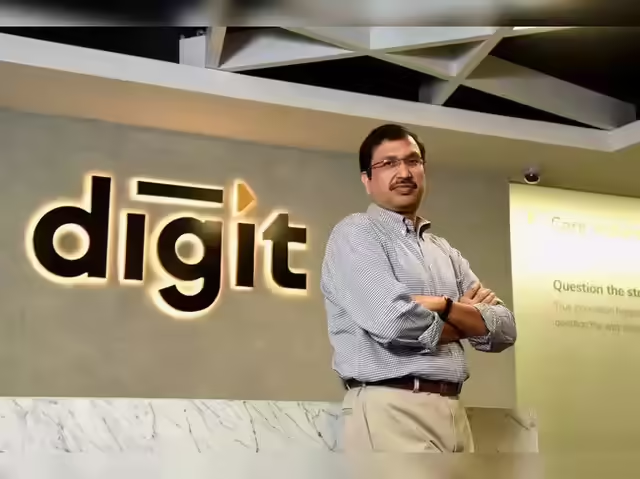
Go Digit Just Posted Its Best Year Yet. The Combined Ratio Still Sitting Above 100% Is the Number That Matters Most.
Founded in 2016 by Kamesh Goyal — a former Allianz executive who spent decades watching the Indian insurance industry fail to become accessible — Go Digit General Insurance went public in 2024 with a promise: that insurance could be simple, transparent, and digital-first without sacrificing the underwriting discipline that makes an insurer financially sound. The FY26 results released on April 28, 2026 show significant progress toward that promise. They also show, in the combined ratio, the distance still to travel.

India Has 500 Million UPI Users and 111 Million Credit Cards. Credilio's novio Is Building for the 400 Million in Between.
The numbers are stark enough to feel almost deliberate. India has more than 500 million UPI users as of early 2026 — people who have smartphones, bank accounts, and the digital literacy to transact electronically every day. It has approximately 111 million credit cards in circulation. The gap between those two figures — roughly 400 million people who use UPI fluently but have no credit card — is not primarily a gap in desire. It is a gap in what banks are willing to underwrite.

Superbank Posts $5.8 Million Q1 Pretax Profit, Signals Strong Financial Momentum
Digital banking platform Superbank has reported a pretax profit of $5.8 million for the first quarter, marking a significant milestone in its financial journey. The performance highlights the growing strength of digital-first banking models and signals improved operational efficiency in a competitive fintech landscape.
Peak XV Exits MobiKwik With $13.8M Stake Sale
A Measured Exit in India’s Public Fintech Market
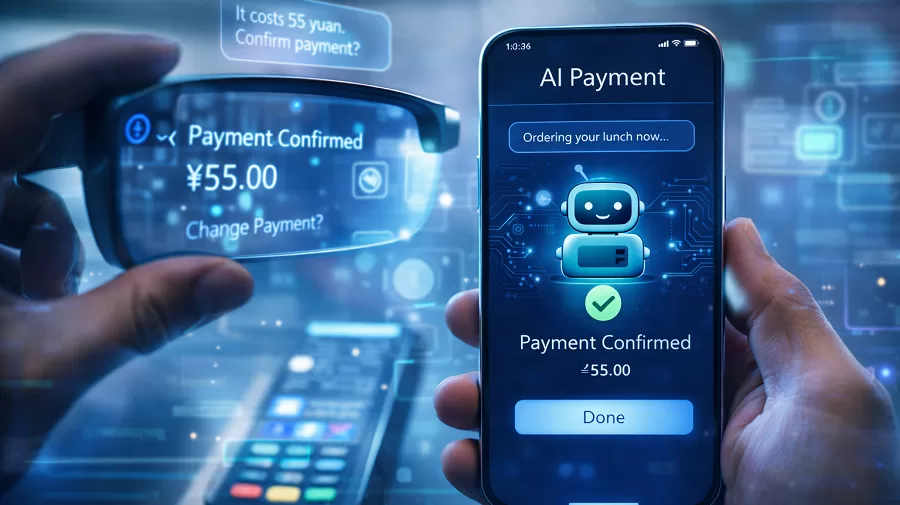
Alipay Just Built the Payment Layer for the Agentic Economy — and Nobody in the West Has Caught Up
Every paradigm shift in commerce has required a corresponding shift in payments infrastructure. Credit cards unlocked the department store economy. PayPal unlocked e-commerce. Apple Pay unlocked the tap-to-pay moment. Each time, whoever built the payment layer first set the terms for everyone who came after. Alipay, Ant Group's payments platform, is now making the same bet on agentic commerce — and the numbers suggest it may already have won the first round before most Western competitors finished reading the brief.
DPIIT Unveils ₹10,000 Cr Startup India Fund of Funds 2.0 Guidelines
A Second Wave of State-Backed Capital

Liberty Mutual Taps Ethos to Rewire Its Life Insurance Experience — And the Timing Is No Accident
Thirty percent of American families would face financial hardship within one month of losing their primary wage earner. One month. Not a year, not a quarter — thirty days. The protection gap affecting 75 million Americans without any coverage and 27 million underinsured policyholders MoneyGeek is not a market failure born of apathy. It's a distribution failure, built over decades of friction-laden application processes, in-person medical exams, and sales models that treated a simple financial product like a luxury purchase requiring specialist guidance. Liberty Mutual just decided that Ethos has a better answer.

Volkswagen Bets on Wrisk to Rewire the Van Insurance Moment
The moment a small business owner drives a brand-new Volkswagen Transporter off a dealership forecourt, they enter an insurance dead zone. Their finance paperwork is signed. Their vehicle is theirs. But they're legally exposed until they sort cover — often through a price-comparison site that has nothing to do with Volkswagen and everything to do with price commoditisation. That gap has cost OEMs a lucrative loyalty moment for decades. Volkswagen Financial Services UK just decided to close it.

Groww Just Posted 122% Profit Growth. The Market Around It Is Telling a More Complicated Story.
Groww hit an all-time high of ₹223.65 on April 24 before closing the week at ₹218.05 — a 10% weekly gain on the back of Q4 FY26 results that showed net profit jumping 122% year-on-year to ₹686.4 crore. Screener That's not a beat. That's a statement. In a week when geopolitical pressure, crude oil crossing $100 per barrel, and relentless foreign institutional selling shredded broader sentiment, Groww's numbers landed like something categorically different from the noise.
Dhan Expands Beyond Brokerage in Fintech Push
Brokerage, once the primary revenue engine, is increasingly commoditized. Zero-commission models, regulatory caps on fees, and aggressive competition have narrowed margins. For digital-first platforms like Dhan, expanding into adjacent financial services is becoming less optional and more structural.
The Licence Is Gone. Paytm Isn't.
The Reserve Bank of India doesn't do dramatic finales. It does slow, deliberate, well-telegraphed endings — and the cancellation of Paytm Payments Bank's banking licence under Section 22(4) of the Banking Regulation Act, effective close of business April 24, 2026 Tech Times, was precisely that. By the time the order dropped, the bank had been functionally dead for over two years. By March 15, 2024, PPBL had become a non-operational bank, limited to processing withdrawals and facilitating minimal services. Gadget Hacks The RBI wasn't pulling a plug. It was signing a death certificate for a patient already in the morgue.
Commonwealth Bank Cuts 120 Jobs as AI Automation Expands
Commonwealth Bank of Australia is cutting 120 jobs as part of a broader push to embed artificial intelligence across its operations, underscoring how automation is reshaping workforce structures in global banking.

SAP Q1 Profit Rises 17% on Strong Cloud Demand
SAP reported a 17% rise in first-quarter profit, reflecting sustained momentum in its cloud business as enterprises continue shifting from on-premise systems to subscription-based software platforms. The results reinforce SAP’s transformation from a traditional enterprise software vendor into a cloud-centric provider, a multi-year transition that has reshaped its revenue mix and profitability profile.
SoftBank Is Building a Battery Factory in Japan to Power Its Own AI Data Centers
Masayoshi Son has never been a man who thinks small. But even by his standards, what SoftBank is assembling right now is something different — a vertically integrated AI infrastructure empire that stretches from battery chemistry in Osaka to a former Cold War nuclear enrichment site in Ohio, all in service of one overriding conviction: that the real bottleneck in the AI race isn't chips, it's power, and whoever controls the energy controls the future.
Zerodha Pivots Zero1 From Creator-Led Model to In-House Content
The bootstrapped brokerage has pivoted its Zero1 initiative away from a creator-led format toward an in-house content model, signaling a shift in how it approaches financial education and brand storytelling. The change comes as fintech firms increasingly treat content not just as marketing, but as strategic infrastructure.
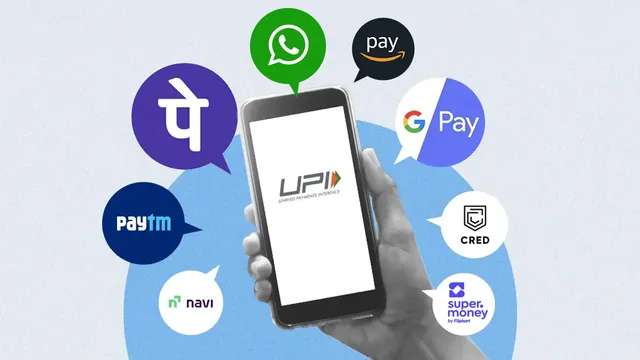
UPI Crosses 1,000 Crore Transactions in March as PhonePe Widens Lead
Unified Payments Interface (UPI) transactions surpassed 1,000 crore in March, reinforcing its position as the world’s most active instant payment network. The milestone underscores how deeply embedded UPI has become in India’s daily commerce — from small-ticket retail purchases to utility payments and peer-to-peer transfers. At the center of that growth, PhonePe has tightened its grip on the top spot.

Fiuu Brings Apple Tap to Pay on iPhone to Malaysia
Malaysia’s contactless payment ecosystem is expanding — without requiring new point-of-sale terminals. Fiuu has introduced Apple’s Tap to Pay on iPhone in the country, enabling merchants to accept payments directly through compatible iPhones using near-field communication (NFC) technology. The move eliminates the need for separate card readers, lowering barriers for small and medium-sized businesses to digitize transactions.
RBI Proposes New Draft Rules for Prepaid Payment Instruments
India’s digital payments infrastructure is entering a tighter regulatory phase. The Reserve Bank of India has issued draft rules to overhaul the governance framework for prepaid payment instruments (PPIs) — a category that includes digital wallets, prepaid cards and gift vouchers. The move comes as India’s fintech ecosystem matures and transaction volumes across digital platforms continue to expand.

ClearBank Partners Tazapay to Power UK Payment Access
ClearBank has entered a partnership with Singapore-based fintech Tazapay to support UK payment capabilities for global merchants. The tie-up enables Tazapay clients to access UK clearing and settlement services through ClearBank’s regulated banking infrastructure. The move reflects the growing demand for embedded, cross-border payment solutions as digital commerce expands internationally.
