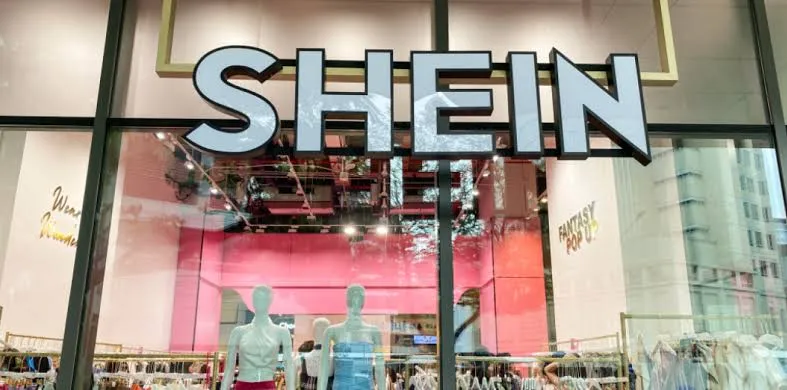
Global fashion giant Shein expands D2C empire with $100 Million Everlane acquisition, highlighting challenges for brands in a competitive market.
Global fashion giant Shein has reportedly acquired direct-to-consumer (D2C) brand Everlane for $100 Million (approximately INR 830 Crore).
Everlane, known for its "radical transparency" model, was sold by its majority owner, L Catterton, after facing significant operational challenges.
The acquisition, approved by Everlane's board, reportedly leaves common stockholders without a payout, highlighting the tough realities of D2C exits.
The deal underscores a broader trend of consolidation and strategic shifts within the global D2C fashion sector, impacting market dynamics in regions like South & Southeast Asia.
Shein's move signals its intent to diversify its brand portfolio and potentially tap into new consumer segments amidst its ongoing global expansion efforts.
Global fast-fashion powerhouse Shein has reportedly acquired the struggling Millennial direct-to-consumer (D2C) brand Everlane for an estimated $100 Million (approximately INR 830 Crore). The deal sees Everlane, a brand once celebrated for its "radical transparency" in fashion basics, change hands from its majority owner, L Catterton, marking a significant consolidation in the global D2C apparel market. The acquisition, confirmed by a person with direct knowledge, underscores the intense pressures facing once high-flying D2C brands. Everlane, founded in 2010, carved out a niche by promising ethical production and transparent pricing, resonating deeply with a generation of conscious consumers. The brand quickly became a darling of the D2C ecosystem, attracting substantial investment and building a loyal following with its minimalist aesthetic and sustainability claims. However, like many D2C players, Everlane encountered mounting challenges related to customer acquisition costs, supply chain complexities, and the difficulties of scaling profitably in a highly competitive retail landscape. Its journey from a disruptive innovator to an acquisition target reflects the broader shake-up occurring across the D2C sector worldwide. The board of Everlane reportedly approved the transaction on Saturday, with details emerging from a note sent to shareholders on Sunday morning. According to the communication, holders of common stock will not receive any payout from the deal. Information regarding whether preferred shareholders would receive cash or shares in Shein remains undisclosed. Everlane and L Catterton have not yet responded to requests for comment regarding the acquisition.
The acquisition of Everlane by Shein for $100 Million (approximately INR 830 Crore) highlights the evolving valuation landscape for D2C brands, even those with strong initial brand equity.
Shein, on the other hand, operates at the opposite end of the fashion spectrum, built on a hyper-fast fashion model that leverages an agile supply chain to rapidly churn out trendy, affordable apparel. The company has exploded in popularity globally, particularly among Gen Z, despite facing scrutiny over its environmental impact, labour practices, and data security. This acquisition signals a strategic pivot for Shein, traditionally focused on its own brand and direct-to-consumer sales, towards potentially integrating established brands into its vast ecosystem.
Why It Matters
The acquisition sends ripples through the global D2C ecosystem, with significant implications for players in South and Southeast Asia, including India. For years, the D2C model promised direct access to consumers, higher margins, and greater brand control, attracting a flood of venture capital. However, the dream of exponential growth without the traditional retail overheads has increasingly met the harsh realities of escalating digital advertising costs, logistical complexities, and intense competition. Brands like Everlane, despite their initial success and strong brand ethos, found themselves struggling to maintain profitability and scale effectively, a predicament many Indian D2C startups also face. In India, the D2C market has witnessed a similar boom, fueled by rising digital penetration and a burgeoning middle class. Hundreds of homegrown brands have emerged across categories from fashion to food, mimicking the global D2C playbook. Yet, the challenges are universal: building sustainable supply chains, navigating a fragmented logistics landscape, and battling for consumer attention in a crowded digital space. The Everlane acquisition serves as a stark reminder that even well-funded D2C ventures need robust financial models and diversified strategies to survive and thrive beyond the initial hype. For Indian D2C brands, this signals a potential future where consolidation or strategic exits become more common as the market matures and investor focus shifts from growth-at-all-costs to profitability.
What's Next
Shein's move to acquire Everlane suggests a multi-faceted strategy beyond its core hyper-fast fashion offerings. The company might be looking to diversify its portfolio, appealing to a different demographic or market segment that values sustainability and transparent sourcing, areas where Everlane once excelled. This could also be a play to acquire Everlane's customer base, intellectual property, or even supply chain relationships, integrating them into Shein's formidable global operations. For Shein, currently navigating its own complexities including a potential IPO and regulatory scrutiny in various markets, adding a brand like Everlane could be an attempt to broaden its appeal and mitigate some of its existing brand perception challenges. For the Indian D2C sector, this acquisition underscores the growing appetite for strategic consolidation. As global giants like Shein expand their reach, Indian D2C brands might find themselves either as attractive acquisition targets or needing to bolster their own positions through mergers or strategic partnerships. The focus for Indian startups must shift towards achieving sustainable profitability, innovating on customer experience, and building resilient business models that can withstand market volatility. The Everlane story is a potent lesson in the D2C lifecycle: from disruptor to market reality, illustrating that even strong brand narratives require an equally strong operational and financial foundation to endure.
Frequently asked questions
What is the latest acquisition by Shein?
Global fashion giant Shein has acquired the direct-to-consumer (D2C) brand Everlane for $100 million, which is approximately INR 830 Crore. This strategic move expands Shein's presence in the D2C market.
Why was Everlane sold?
Everlane was sold by its majority owner, L Catterton, due to significant operational challenges the brand had been facing in the competitive D2C landscape.
What is Everlane known for?
Everlane is widely known for its "radical transparency" model, which emphasizes clear pricing, ethical sourcing, and open communication about its supply chain practices.
Who is L Catterton?
L Catterton is a prominent private equity firm and was the majority owner of Everlane prior to its recent sale to the global fashion giant, Shein.
What does the Everlane acquisition mean for common stockholders?
The acquisition, while approved by Everlane's board, reportedly leaves common stockholders without a payout, highlighting specific financial terms of the deal.
How much did Shein pay for Everlane?
Shein reportedly paid $100 Million, equivalent to approximately INR 830 Crore, to acquire the D2C brand Everlane.