JPM's new Ethereum-based US Treasury money-market fund signals a major shift in traditional finance, accelerating blockchain adoption across global markets, including Asia.
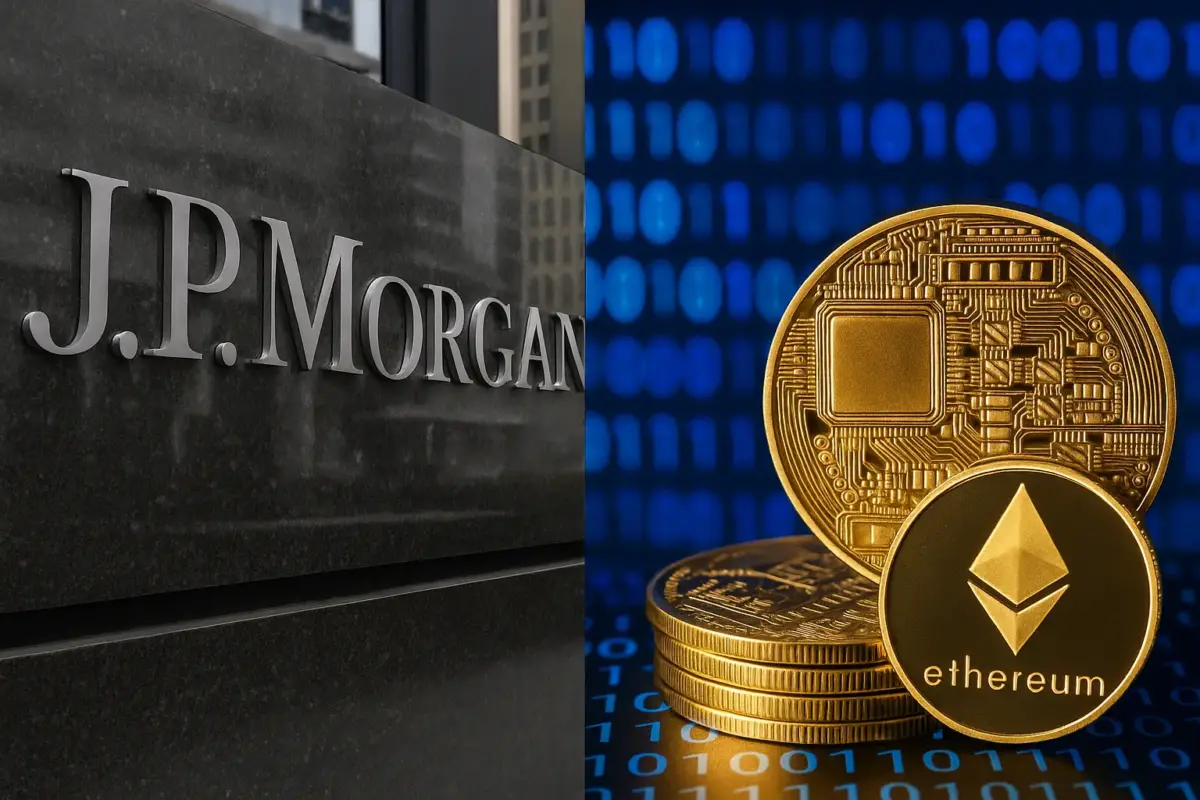
JPMorgan has filed to launch a new tokenized US Treasury money-market fund on Ethereum, named JPMorgan OnChain Liquidity-Token Money Market Fund.
This move by a global banking giant signals accelerated Wall Street adoption of blockchain for traditional assets, setting a precedent for digital finance in Asia.
What is driving global banking giants like JPMorgan to embrace blockchain technology? JPMorgan has filed with the U.S. Securities and Exchange Commission to launch a new tokenized U.S. Treasury money-market fund on Ethereum, expanding its digital asset offerings. This follows a similar recent move by BlackRock, underscoring a rapid shift among major financial institutions towards tokenizing real-world assets and establishing new digital financial infrastructure.
The proposed fund, dubbed JPMorgan OnChain Liquidity-Token Money Market Fund (JLTXX), is designed to meet reserve requirements for stablecoin issuers under the GENIUS Act, providing a compliant, yield-bearing vehicle for digital asset firms. Leveraging blockchain infrastructure operated by Kinexys Digital Assets, JPMorgan’s dedicated blockchain unit, the initiative aims to streamline traditional asset management through tokenization, potentially improving settlement times and transparency across global markets.
Why this matters for Southeast Asia's digital economy
Global Tokenization Growth
The tokenized real-world asset market has surged by over 200% in the past year, now exceeding USD 32 billion. Treasury products represent a significant and rapidly growing segment as institutions seek to generate yield on on-chain cash.
JPMorgan's Blockchain Footprint
JPMorgan has been a frontrunner among traditional banks in blockchain integration, having previously launched the MONY tokenized money-market fund on Ethereum. Its Kinexys unit has also facilitated tokenized collateral and settlement transactions for institutional clients, building robust infrastructure.
Implications for Asia
This institutional embrace of tokenization by Wall Street giants provides a strong signal for the burgeoning digital asset markets in Southeast and South Asia. It could accelerate regulatory clarity for stablecoins and tokenized assets in key regional hubs like Singapore and India, fostering innovation in fintech and digital finance by demonstrating viable, compliant use cases for blockchain technology.
As global financial institutions deepen their engagement with blockchain, watch for how regulators in key Asian markets respond and adapt their frameworks to accommodate these evolving digital asset classes, influencing investment flows and the development of regional digital economies.
Frequently asked questions
What is JPMorgan launching?
JPMorgan is launching a new tokenized US Treasury money-market fund called JPMorgan OnChain Liquidity-Token Money Market Fund on the Ethereum blockchain.
Why is JPMorgan launching a tokenized fund?
This move signifies Wall Street's accelerating adoption of blockchain for traditional assets, aiming to enhance efficiency and liquidity in financial markets.
What blockchain is the fund using?
The JPMorgan tokenized fund will operate on the Ethereum blockchain.
How does this impact Asia's digital finance?
JPMorgan's move sets a significant precedent for the development and adoption of digital finance and blockchain-based solutions across Asia.
What is Wall Street tokenization?
Wall Street tokenization refers to the process of converting traditional financial assets, like bonds or funds, into digital tokens on a blockchain, enabling faster and more efficient trading.
Is this JPMorgan's first blockchain initiative?
While not their first blockchain project (e.g., Onyx), this marks a major step in offering a publicly available tokenized fund for traditional assets.