India's food delivery giant Swiggy faces uncertainty after a crucial shareholder vote to become an IOCC falls short, impacting its corporate identity.
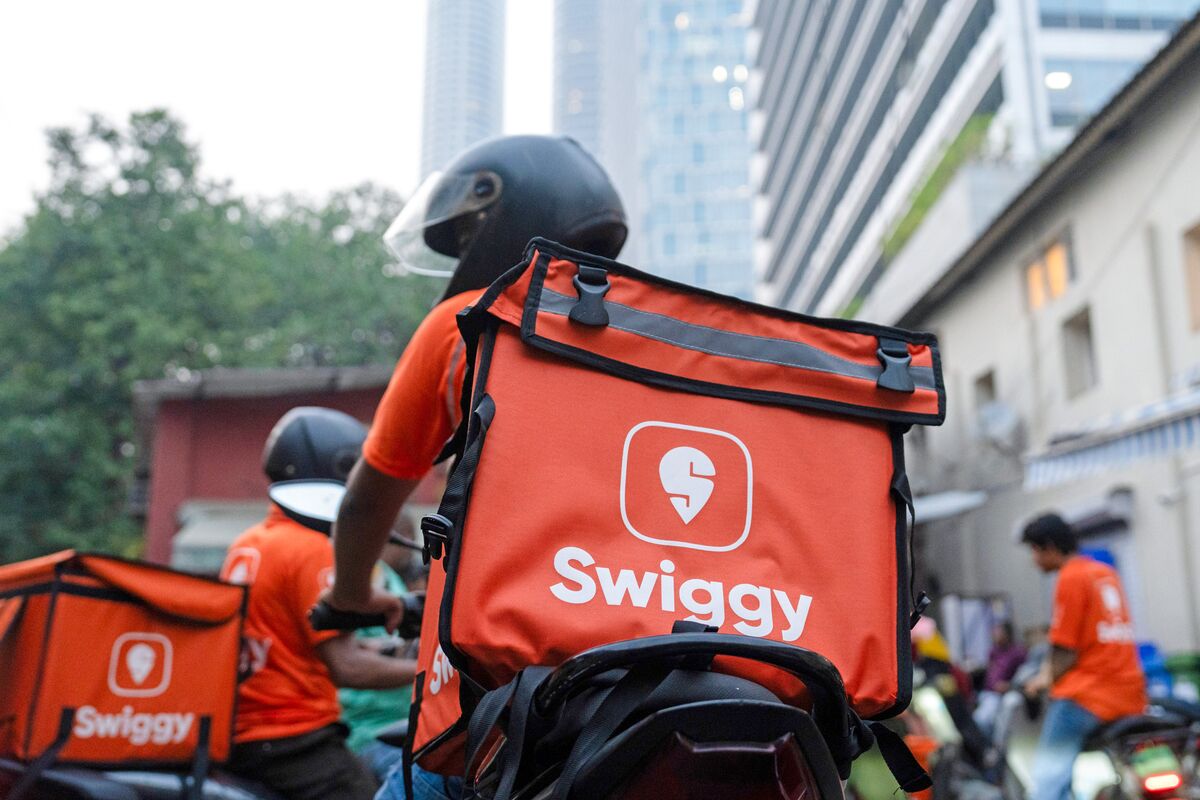
India’s prominent food delivery and quick commerce giant, Swiggy, has hit an unexpected snag in its strategic push to formally become an Indian Owned and Controlled Company, or IOCC. A crucial shareholder vote, intended to reshape the company’s foundational governance, fell short, leaving the ambitious plan in limbo and raising questions about its long-term corporate identity.
The heart of the issue lies in a special resolution to amend Swiggy's Articles of Association (AoA), the rulebook governing the company. While a significant 72.36% of shareholders voted in favor, it wasn't enough to clear the 75% approval threshold required for such fundamental changes. That's a narrow miss, but a miss nonetheless.
This vote was far more than a technicality. It was a key step in Swiggy’s stated goal to transition into an IOCC under India's Foreign Exchange Management Act (FEMA) regulations. For Swiggy, which counts major foreign investors like Prosus and SoftBank among its top shareholders, achieving this status is a complex, multi-stage process involving both ownership structure and board control.
The company had clarified that these proposed changes were part of a broader effort to align its governance with IOCC requirements. This alignment is crucial for its long-term objective of being recognized as an Indian-controlled entity once resident Indian shareholding crosses the 50% mark, pending further regulatory and shareholder approvals. A Swiggy spokesperson acknowledged the outcome, emphasizing that becoming an IOCC remains an "enduring priority" and that the company will continue to engage with shareholders for a positive resolution.
The setback means that proposed appointments of additional executive, non-independent directors, intended to take effect from June 1, 2026, will now not proceed. However, shareholders did approve the appointment of Renan De Castro Alves Pinto as a non-executive, non-independent nominee director with an overwhelming 98.98% of votes.
Why This Matters for Swiggy and India
Understanding why "Indian Owned and Controlled Company" status is such a strategic prize requires a look at India's regulatory landscape. Under FEMA norms, a company qualifies as an IOCC only if both its ownership and control reside with Indian residents or Indian-owned entities. This isn't just about who owns the most shares; it's also about who holds the reins on the board and controls nomination rights.
For a fast-growing tech firm like Swiggy, IOCC status could unlock new strategic avenues, including potential access to certain government contracts, a stronger national brand perception, and potentially a more streamlined regulatory path in certain sectors. It signals a deep commitment to the domestic market beyond just operational presence. For foreign investors, however, relinquishing degrees of control can be a contentious point, often sparking debates over valuation, influence, and future exit strategies.
Swiggy's situation is further complicated by the fact that it doesn't currently have an identifiable "promoter group" – essentially, a founding entity or individual with sufficient board representation to independently establish domestic control. This makes amending the Articles of Association and reshaping its governance structure absolutely critical for its IOCC roadmap, as it needs to organically build that domestic control through its shareholder base and board composition.
What Happens Next
With the special resolution failing, Swiggy is back to the drawing board on this particular governance amendment. The company's statement about continuing to "engage constructively with shareholders" suggests a renewed effort to understand and address the concerns of the minority who voted against the proposal, or those who simply abstained from voting. This might involve renegotiating terms, modifying the proposed changes, or finding alternative pathways to achieve IOCC status.
The outcome could also have implications for future fundraising rounds or a potential public listing, should Swiggy decide to pursue an IPO. While the company has demonstrated strong operational performance – reporting a 44.7% year-on-year increase in operating revenue to Rs 6,383 crore (approximately $760 million USD) in Q4 FY26, and narrowing its losses by 26% during the same period – a clear, stable governance structure is often highly valued by public market investors, especially for a company aiming for a significant market presence.
The positive financial results underscore Swiggy's operational strength and market traction, painting a picture of a company executing well on its core business. However, the governance hurdle highlights the complexities of navigating corporate identity and regulatory frameworks in a rapidly evolving market like India, especially for venture-backed companies with diverse global investor bases.
Swiggy's journey toward becoming an IOCC is far from over. This setback is a reminder that even with strong operational performance, strategic corporate restructuring requires careful negotiation and broad consensus, particularly when it touches on fundamental issues of ownership, control, and national identity. The coming months will likely see Swiggy’s leadership re-strategizing their approach, aiming to secure the necessary shareholder buy-in to advance their long-term vision in one of the world's most dynamic digital economies.
Frequently asked questions
What is an Indian Owned and Controlled Company (IOCC)?
An IOCC is a company where the ultimate beneficial ownership and control primarily reside with Indian citizens or entities. This status can be crucial for operating in certain regulated sectors in India, offering strategic advantages and potentially allowing access to specific government incentives.
Why is Swiggy seeking IOCC status?
Swiggy is likely seeking IOCC status to comply with potential future regulations, access specific government incentives, or enhance its national branding, which can be advantageous in the competitive Indian market and appeal more to domestic consumers.
What happened at Swiggy's shareholder vote?
A crucial shareholder vote, intended to approve changes for Swiggy to become an IOCC, failed to pass. This means the company could not proceed with its plan to formally adopt the Indian-controlled status, leaving its strategy in limbo.
How does this setback affect Swiggy's operations?
While not immediately halting operations, this setback leaves Swiggy's long-term corporate identity and strategic plans regarding its IOCC status in limbo. It could potentially impact future compliance, market positioning, or access to specific regulatory benefits if the IOCC status becomes mandatory.
Who are Swiggy's major shareholders?
Swiggy has a diverse range of investors, including prominent global venture capital firms and institutional investors, alongside domestic stakeholders. The specific details of which shareholders voted against the proposal would typically be outlined in more comprehensive reporting or regulatory filings.
What are the next steps for Swiggy regarding IOCC status?
Swiggy will likely need to re-evaluate its strategy, potentially renegotiate with dissenting shareholders, or explore alternative pathways to achieve its desired ownership structure. It may also need to reassess the urgency or necessity of obtaining IOCC status given the current outcome.