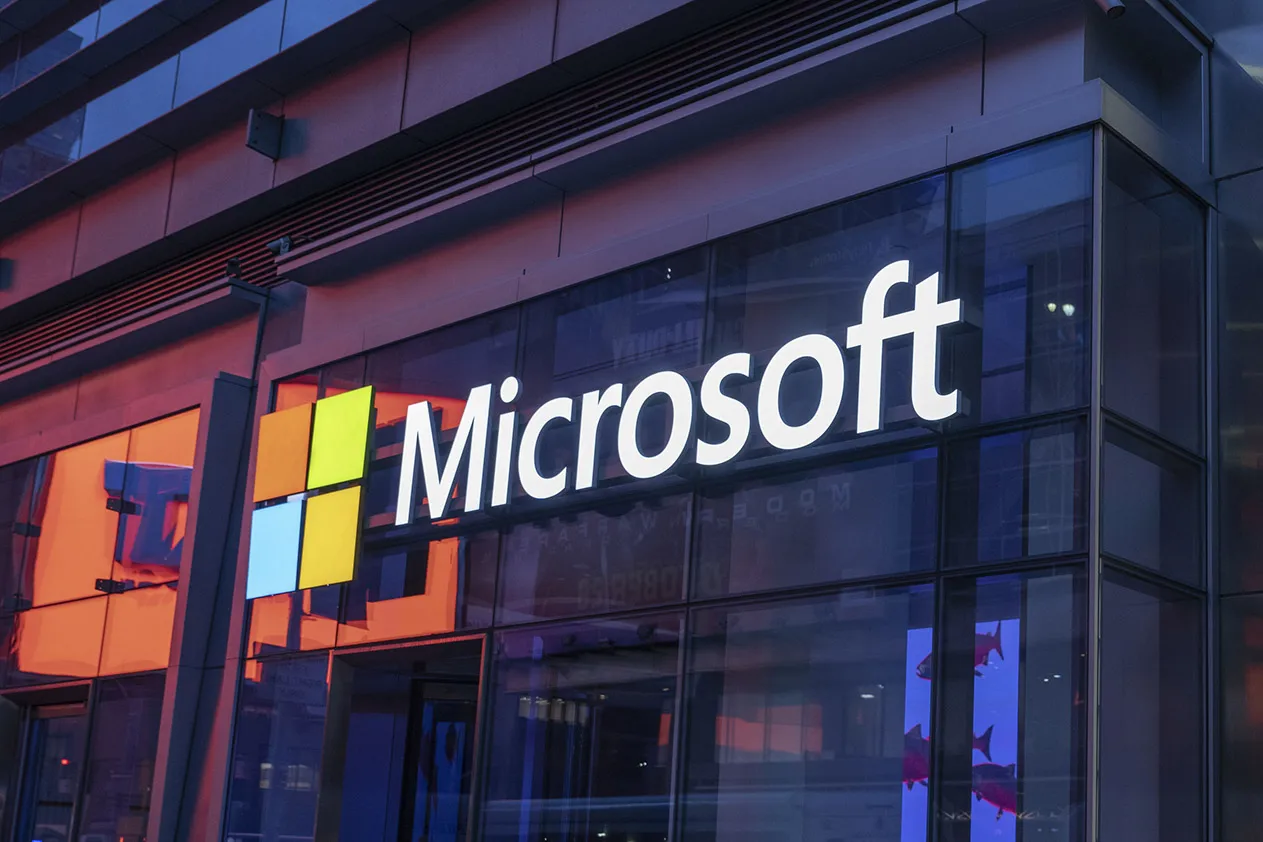
The relentless pursuit of artificial intelligence, a technological imperative defining this decade, is ushering in an era of unprecedented computational demand. At the vanguard of this revolution stands Microsoft, pouring billions into AI infrastructure, models, and services. Yet, this aggressive expansion, critical for maintaining market leadership in cloud and AI, is creating an increasingly visible friction with the company's ambitious, publicly stated environmental commitments.
Microsoft has pledged to be carbon negative, water positive, and zero waste by 2030. These are not incremental goals; they represent a profound reorientation of corporate responsibility. The challenge now is that the very technology driving Microsoft's future growth, its AI data center push, is directly intensifying the resource consumption these targets aim to mitigate. The question isn't whether Microsoft is committed to sustainability, but whether the sheer scale of AI's needs can be reconciled with these commitments within the tight timeframe.
The AI Imperative and Its Insatiable Appetite
Microsoft's strategic pivot towards AI is undeniable, underscored by its multi-billion dollar investment in OpenAI and the rapid integration of Copilot across its product suite. This isn't merely about feature enhancements; it's about reshaping the very foundation of enterprise computing. Delivering this vision requires a vast, distributed network of hyper-scale data centers, each humming with thousands of specialized processors. These are the factories of the AI age, and they are being built at an astonishing pace across continents, from North America to Europe and Asia.
The computational demands of large language models (LLMs) like GPT-4 are staggering. Training a single advanced model can consume energy equivalent to hundreds of homes for a year, sometimes more. While inference (running the model) is less intensive than training, the sheer volume of daily queries from millions of users means constant, high-load operation. This translates directly into a skyrocketing demand for electricity and cooling, far exceeding the typical growth curve of traditional cloud workloads.
Recent projections indicate that data center energy consumption could account for up to 4% of global electricity by 2030, with AI being a primary driver. Microsoft, as a leading cloud provider and AI innovator, carries a significant portion of this burden. Its global infrastructure footprint is expanding rapidly, with new regions and availability zones announced regularly to meet both general cloud demand and the specific, latency-sensitive requirements of AI applications.
The Looming Energy Deficit
Microsoft's carbon-negative goal hinges on sourcing 100% renewable energy for its operations. The company has been a pioneer in Power Purchase Agreements (PPAs), investing in solar and wind projects to match its electricity consumption. However, the scale of AI's energy appetite is pushing the limits of existing renewable grids and the speed at which new clean capacity can be brought online. A key challenge is the additionality of renewables; simply buying existing clean power doesn't reduce overall grid emissions if it just displaces another user.
Procuring new, clean, 24/7 baseload power is exceptionally difficult. Wind and solar are intermittent, requiring extensive battery storage or reliable backup. The geographical distribution of data centers often doesn't align perfectly with the best renewable resources. For instance, building a new data center in a region with a fossil-fuel-heavy grid means any "clean energy" matching must come from elsewhere, potentially stressing other grids or relying on less impactful offsets.
"The energy demands of AI are forcing a fundamental rethink of how we power our digital economy. We're moving beyond simple renewable energy matching to a critical need for truly new, resilient, and dispatchable clean power sources directly tied to data center operations. Without this, the sustainability commitments of tech giants risk becoming aspirational rather than achievable."
Dr. Anya Sharma, Lead Analyst, Digital Infrastructure Sustainability Group
The Water Conundrum and Embodied Carbon
Beyond electricity, AI data centers are significant consumers of water, primarily for evaporative cooling systems. As servers work harder, they generate more heat, necessitating more cooling. Microsoft has committed to being water positive by 2030, meaning it will replenish more water than it consumes globally. This includes investments in watershed restoration and efficiency measures within its facilities.
However, the increasing thermal density of AI hardware, such as Nvidia's H100 GPUs, means cooling demands are intensifying. In drought-prone regions like the American Southwest or parts of Europe, the water footprint of a new data center can become a contentious local issue. While Microsoft is exploring advanced cooling techniques, including direct liquid cooling, widespread adoption takes time and significant investment. Even then, water remains a critical input.
The environmental impact extends beyond operational energy and water. The concept of "embodied carbon" in data center construction is gaining prominence. This includes the emissions from manufacturing steel, concrete, and the specialized IT hardware itself. The rapid build-out of new facilities and the constant upgrade cycle for AI-specific silicon, like Microsoft's custom Azure Maia 100 chips, contribute significantly to Scope 3 emissions. Addressing these requires deep supply chain engagement, a complex undertaking for a global enterprise.
Strategic Responses and Future Pathways
Microsoft is acutely aware of these challenges and is actively pursuing multiple strategies to bridge the gap between AI growth and its sustainability goals:
Advanced Nuclear Technology: Recognizing the need for baseload, carbon-free power, Microsoft is exploring Small Modular Reactors (SMRs) and other advanced nuclear designs. This represents a significant shift from traditional renewable energy procurement, acknowledging that wind and solar alone may not meet the 24/7 demands of future AI infrastructure.
Geothermal Energy: Investments in advanced geothermal projects, which can provide continuous power, are another avenue for reliable, carbon-free electricity.
Efficiency at the Chip Level: Developing custom silicon like the Azure Maia 100 AI Accelerator demonstrates a commitment to optimizing performance per watt. More efficient chips mean less energy consumed and less heat generated, reducing the burden on both power grids and cooling systems.
Innovative Cooling Solutions: Piloting and deploying direct liquid cooling for high-density AI racks is crucial. Submersion cooling and other advanced techniques can drastically reduce water consumption compared to traditional evaporative cooling.
Grid Modernization and Flexibility: Partnering with utilities to enable demand response, optimize grid load, and integrate renewables more effectively. This ensures that data centers are not only consuming clean power but also contributing to a more stable and resilient grid.
Carbon Removal Technologies: Investing in Direct Air Capture (DAC) and other carbon removal projects is part of its carbon-negative strategy. While these technologies are still nascent, Microsoft sees them as essential to address residual or historical emissions.
The tension, however, remains. The exponential growth of AI compute far outpaces the linear, or even slightly accelerated, development of these solutions. The lead time for new power plants, especially nuclear, is measured in years, if not decades. Rapid data center deployment decisions are often made based on current grid availability and land costs, not necessarily future clean energy abundance.
The Broader Industry Implications
This isn't a challenge unique to Microsoft. Amazon, Google, and other hyperscalers are grappling with identical pressures. The entire tech industry is betting its future on AI, and the environmental cost is becoming a collective liability. Founders and operators building AI-driven businesses must understand that the infrastructure underpinning their ventures faces significant resource constraints and escalating costs.
Regulatory bodies, particularly in Europe, are beginning to scrutinize data center energy and water consumption more closely. Local communities are pushing back against new developments in water-stressed or grid-constrained areas. The "green premium" for AI infrastructure, ensuring it runs on verifiable clean power and minimal water, will likely increase, influencing site selection and operational expenditures.
The collision between Microsoft's AI data center push and its clean power goals represents a pivotal moment. It forces a re-evaluation of what sustainable growth truly means in an era of unprecedented technological advancement. The company's ability to navigate this paradox will not only define its leadership in AI but also set a precedent for corporate environmental responsibility in the 21st century.
KEY TAKEAWAYS
AI's Insatiable Demand: The exponential growth of AI compute requires vast energy and water resources, challenging existing infrastructure and sustainability goals.
Conflict with 2030 Goals: Microsoft's ambitious targets for carbon negativity, water positivity, and zero waste are increasingly pressured by the rapid build-out of AI-specific data centers.
Beyond Renewables: Traditional renewable energy procurement (wind, solar PPAs) may be insufficient. The industry is exploring baseload clean power sources like SMRs and advanced geothermal.
Resource Scarcity: Water consumption for cooling and embodied carbon in construction and hardware are critical challenges, particularly in water-stressed regions and for Scope 3 emissions.
Strategic Imperative: Founders and operators must recognize that sustainable AI infrastructure will require significant innovation, investment in new technologies, and a strategic approach to data center location and design.
Frequently asked questions
How is Microsoft's AI push impacting its clean power goals?
Microsoft's rapid expansion of AI data centers, essential for its leadership in cloud and AI, significantly increases energy demand, making it challenging to meet its ambitious clean power and sustainability targets. The computational needs of AI are immense.
What is the primary conflict discussed regarding Microsoft's AI strategy?
The core conflict lies between Microsoft's imperative to build massive AI infrastructure to maintain market leadership and its corporate commitment to achieve 100% renewable energy for its operations.
Are AI data centers energy-intensive?
Yes, AI data centers are incredibly energy-intensive due to the immense computational power required to train and run complex AI models, leading to high electricity consumption.
What are Microsoft's clean energy commitments?
Microsoft has set ambitious goals to power its operations with 100% renewable energy and to be carbon negative by 2030, which includes reducing its historical carbon footprint.
How can Microsoft reconcile its AI growth with sustainability?
Reconciliation requires significant investment in energy-efficient hardware, advanced cooling technologies, direct purchasing of renewable energy, and exploring carbon capture or offset solutions for its data centers.
Why is AI considered a 'technological imperative'?
AI is seen as a technological imperative because it's transforming industries, driving innovation, and becoming crucial for maintaining competitiveness and market leadership in the current digital age.