One97 Communications, the parent company of Paytm, has achieved a pivotal milestone, reporting its first full-year net profit after tax (PAT) of INR 550 crore for the fiscal year ending March 31, 2024. This marks a significant inflection point for the Indian fintech giant, which navigated a tumultuous post-IPO period and intense regulatory scrutiny to demonstrate a viable path to sustainable profitability. The achievement underscores a strategic shift from a growth-at-all-costs philosophy to one prioritizing robust unit economics and diversified revenue streams, offering a critical case study for founders and operators in high-growth, high-burn sectors globally.
The turnaround is particularly striking given the company's trajectory since its November 2021 public listing, which saw its shares plummet from an IPO price of INR 2,150. While the stock has seen significant recovery in recent months, the path to profitability was paved by a series of deliberate operational adjustments and strategic pivots. This financial performance is not merely a statistical anomaly but the culmination of a multi-year effort to streamline operations, enhance monetization across its diverse product portfolio, and respond dynamically to market and regulatory pressures.
The Anatomy of a Turnaround: Strategic Pillars
Paytm's journey to profitability was underpinned by several key strategic initiatives. Foremost among these was a relentless focus on improving contribution margins, which climbed to 58% in FY24, up from 35% in FY23. This dramatic improvement was driven by a recalibration of revenue mix, emphasizing higher-margin offerings such as financial services distribution and merchant subscription services, coupled with stringent cost management across the board.
Total revenue from operations for FY24 surged by 38% year-over-year, reaching INR 10,500 crore. This growth was not merely volume-driven but reflective of an enhanced monetization capability. The payment processing business, while often perceived as low-margin, saw improved efficiencies and a growing base of merchants subscribing to value-added services. The company reported a 45% year-over-year increase in Gross Merchandise Value (GMV), reaching INR 14.7 lakh crore for the fiscal year, indicating continued strong engagement on its platform.
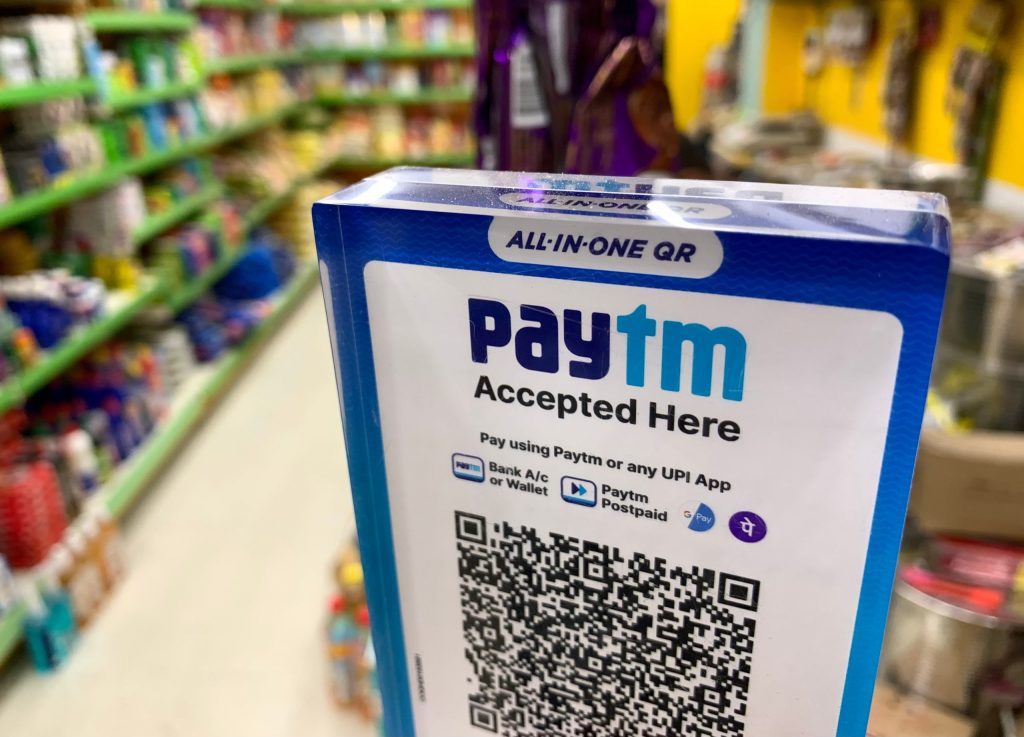
A critical component of this success has been the aggressive expansion and monetization of its merchant ecosystem. Paytm's Soundbox devices, a ubiquitous presence across Indian small businesses, now number over 9.2 million deployed units, generating predictable subscription revenue. This hardware-as-a-service model, combined with QR code payments, has cemented Paytm's dominance in the offline merchant segment, providing a stable foundation for cross-selling other financial products.
Diversification Beyond Payments: The Financial Services Play
While payments remain the core engine, the significant lift in profitability stemmed largely from the burgeoning financial services segment. Paytm has strategically positioned itself as a distributor of financial products, partnering with regulated banks and Non-Banking Financial Companies (NBFCs) to offer loans, insurance, and wealth management solutions. This asset-light model mitigates balance sheet risk while generating substantial commission income.
In FY24, the value of loans facilitated through Paytm's platform soared by 160% year-over-year to INR 15,000 crore, comprising 12.5 million loan disbursements. This segment, including merchant loans, personal loans, and 'Buy Now, Pay Later' offerings, carries significantly higher margins compared to pure payment processing. The company's vast user base and proprietary data analytics provide a robust advantage in credit underwriting and distribution, allowing partners to access a previously underserved customer segment.
Insurance distribution also gained traction, with a 90% year-over-year growth in premiums collected. By acting as an aggregator and facilitator, Paytm leverages its digital reach to simplify access to insurance products, further diversifying its revenue streams away from the often commoditized payments landscape. This strategic diversification reduces reliance on any single revenue pillar, creating a more resilient business model.
Navigating Regulatory Headwinds and Competitive Landscape
Paytm's journey to profitability was not without its share of formidable challenges, most notably the intense regulatory scrutiny from the Reserve Bank of India (RBI). Restrictions on its payments bank operations, particularly concerning new customer onboarding and specific banking services, necessitated agile adaptation. The company responded by strengthening its partnerships with other banks for payment processing and loan distribution, effectively mitigating some of the direct impacts.
The Indian fintech market is one of the most competitive globally, with Google Pay and PhonePe holding significant market share in UPI-based transactions. Paytm's ability to carve out profitability amidst these well-capitalized rivals speaks to the efficacy of its differentiated strategy focusing on merchant enablement and financial services distribution, rather than solely competing on consumer-side transaction volumes. Its extensive offline merchant network and proprietary hardware solutions like the Soundbox provide a tangible competitive moat.
"Paytm's journey to full-year profitability is a testament to resilience and strategic clarity in a fiercely competitive and evolving market. Their pivot towards high-margin financial services distribution, coupled with disciplined cost management and an unparalleled offline merchant network, offers a blueprint for how fintechs can move beyond volume-driven metrics to sustainable, value-generating models. It’s a powerful signal that the Indian fintech ecosystem is maturing, demanding a balance between aggressive growth and robust unit economics. "Aarav Sharma, Principal Analyst at FinTech Insights Group
Cost Rationalization and Operational Efficiency
Beyond revenue growth and diversification, a disciplined approach to cost rationalization played a pivotal role. Marketing and promotional expenses, which were substantial during the hyper-growth phase and post-IPO period, saw a significant reduction of approximately 25% in FY24. This was achieved without compromising user acquisition or engagement, suggesting a more efficient allocation of marketing spend and a greater reliance on organic growth and network effects.
Operational efficiencies were also realized through technology enhancements, automation, and a leaner organizational structure. The company focused on improving transaction success rates, reducing customer support costs through self-service options, and optimizing its cloud infrastructure. These internal efficiencies contributed directly to the improved contribution margins and overall profitability, proving that scale can be achieved without perpetually escalating operational expenditure.
Implications for Founders and Operators
Paytm's achievement holds profound implications for founders and operators across the global tech and fintech landscape. It demonstrates that even in capital-intensive, high-growth sectors, a clear path to profitability is achievable through strategic pivots, disciplined execution, and a deep understanding of market dynamics.
The emphasis on diversified revenue streams is a crucial lesson. Relying solely on a single, potentially commoditized service, even one with massive scale, exposes businesses to significant risk. By building a multi-product ecosystem where each offering can be monetized independently or cross-sold, companies can build greater financial resilience.
Furthermore, Paytm's ability to navigate and adapt to a stringent regulatory environment highlights the importance of regulatory compliance and strong governance. For any tech company operating in regulated industries, proactively engaging with regulators and building robust internal compliance frameworks is not merely a cost center but a strategic imperative for long-term sustainability.
The Road Ahead: Sustaining Momentum
While the first full-year profit is a monumental achievement, the challenge for Paytm now shifts to sustaining and accelerating this profitability. The company will need to continue expanding its financial services offerings, deepening its penetration in both urban and rural India, and innovating to maintain its competitive edge.
Potential areas of focus include further enhancing its AI and data analytics capabilities to personalize financial product recommendations, expanding into new segments like wealth management advisory, and potentially exploring international expansion for specific product lines. The evolution of India's digital public infrastructure, particularly Open Network for Digital Commerce (ONDC), also presents both opportunities and potential competitive shifts that Paytm will need to navigate adeptly.
The market's response to this milestone will also be critical. Sustained profitability will likely rebuild investor confidence, potentially leading to a re-rating of its stock and greater access to capital for future growth initiatives. However, the company must remain vigilant against potential regulatory changes and evolving competitive dynamics, ensuring its current strategic framework remains robust and adaptable.
KEY TAKEAWAYS
Profitability Over Pure Growth: Paytm's turnaround underscores the critical shift from prioritizing user acquisition at all costs to focusing on unit economics and sustainable profit generation, a vital lesson for all high-growth ventures.
Diversified Revenue Streams: Success hinged on a strategic pivot towards high-margin financial services distribution (loans, insurance) complementing its core payments business, mitigating reliance on any single revenue source.
Merchant-Centric Ecosystem: The widespread adoption and monetization of merchant services, particularly through devices like the Soundbox, provided a stable and predictable revenue foundation and a crucial competitive moat.
Regulatory Resilience: Navigating significant regulatory challenges from the RBI demonstrated the importance of adaptability, strong partnerships, and robust compliance in a dynamic operating environment.
Disciplined Cost Management: Aggressive cost rationalization, especially in marketing and operational expenditure, proved essential in translating top-line growth into bottom-line profitability.
Frequently asked questions
What is Paytm's latest financial milestone?
Paytm, through its parent company One97 Communications, has reported its first full-year net profit after tax (PAT) of INR 550 crore for the fiscal year ending March 31, 2024. This signifies a major turnaround for the Indian fintech giant.
Who is the parent company of Paytm?
The parent company of Paytm is One97 Communications.
What was Paytm's net profit for FY24?
Paytm reported a net profit after tax (PAT) of INR 550 crore for the fiscal year ending March 31, 2024.
What does this profit mean for Paytm?
This first full-year profit marks a significant inflection point, demonstrating a viable path to sustainable profitability after navigating post-IPO challenges and regulatory scrutiny.
When did Paytm achieve this profit?
Paytm achieved this profit for the fiscal year ending March 31, 2024.
Has Paytm faced challenges recently?
Yes, Paytm navigated a tumultuous post-IPO period and intense regulatory scrutiny prior to achieving this profit milestone.