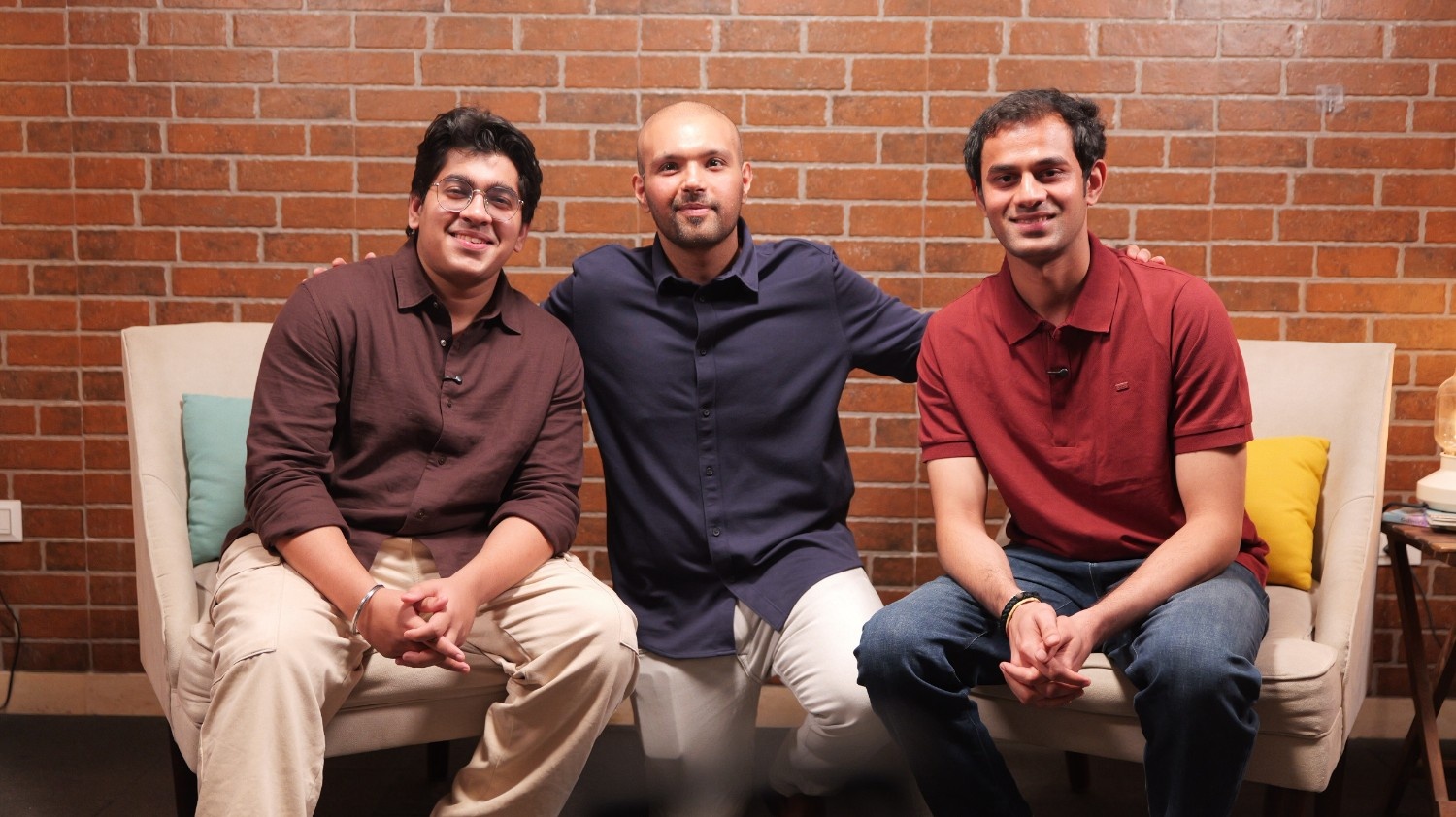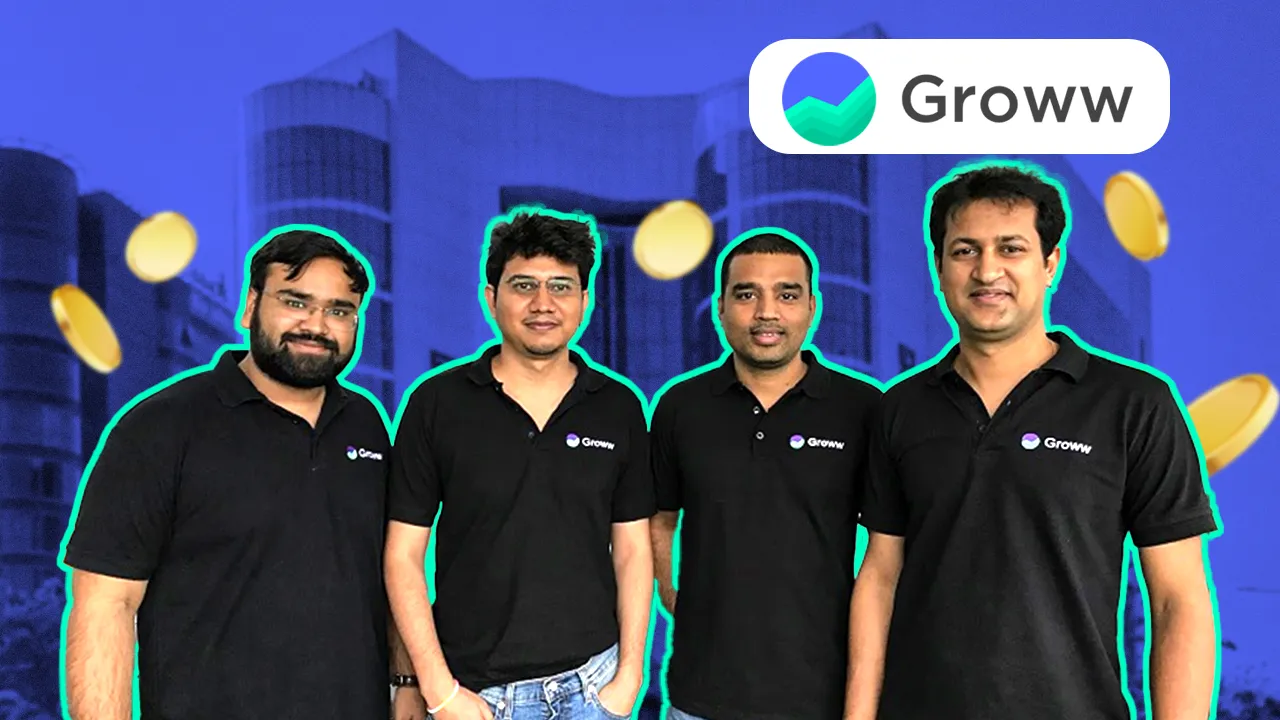
Exclusive: Groww founders' Rs 250-260 crore share sale hints at new startup funding & philanthropic ventures, shaping future tech investment.
A significant financial move in the global wealth-tech space recently caught attention, with the founders of the prominent platform Groww reportedly selling shares valued at approximately Rs 250-260 crore. This development is more than just a routine transaction; it offers a glimpse into evolving motivations behind significant wealth events in the tech industry, potentially impacting future innovation and philanthropic endeavors.
Here's what happened: The founders of Groww, an Indian wealth-tech firm, divested a portion of their holdings. While founder share sales often raise questions about a company's future, the reported reasons behind this particular transaction point toward a more altruistic and forward-looking strategy: funding new startups and supporting philanthropic causes.
Groww operates in the "wealth-tech" sector, a category of financial technology companies focused on making investment and wealth management more accessible through digital platforms. For a North American audience, this segment might be understood as similar to online brokerage firms or robo-advisors that provide tools for individuals to invest in stocks, mutual funds, and other assets, often with lower fees and a user-friendly interface. These platforms have democratized investing, moving it from traditional, often exclusive, financial institutions to a broader base of users.
The conventional wisdom often dictates that when founders sell substantial portions of their shares, it signals a lack of confidence in the company's long-term prospects, or simply a desire to "cash out" after years of building the business. This perception can sometimes lead to market jitters, as investors interpret such moves as a precursor to potential challenges. However, the narrative surrounding the Groww founders' sale challenges this simplistic view, suggesting a more nuanced approach to wealth deployment.
The reported intent to channel these funds into new startups and philanthropy presents an alternative model for founder liquidity events. Instead of a purely personal gain, this move frames the sale as a strategic re-injection of capital back into the broader entrepreneurial ecosystem and into societal betterment. This is a significant shift in how wealth generated from successful tech ventures can be perceived and utilized, moving beyond individual enrichment to broader economic and social impact.
Unpacking the 'Why' Behind the Sale
The stated goals of funding startups and philanthropy are crucial to understanding this event's broader significance. When founders reinvest their personal capital into new ventures, they are essentially becoming angel investors or venture capitalists themselves. This can provide crucial early-stage funding to nascent companies, fostering innovation and creating new jobs. For the tech ecosystem, a steady flow of experienced capital and mentorship from successful founders is invaluable, helping to nurture the next generation of disruptive ideas.
Furthermore, dedicating a portion of the proceeds to philanthropy underscores a growing trend among tech entrepreneurs to use their wealth for social good. This can involve supporting educational initiatives, healthcare, environmental causes, or other societal challenges. Such moves not only contribute directly to addressing pressing issues but also help to reshape the public image of the tech industry, moving it from a realm sometimes perceived as solely profit-driven to one that also prioritizes social responsibility.
This re-investment and philanthropic approach directly challenges the conventional "cashing out" narrative. It posits that founder share sales aren't always about disengagement but can be a strategic pivot towards expanding one's impact, both economically and socially. It suggests a maturity in the startup ecosystem where initial success is leveraged to cultivate further innovation and address broader community needs.
The Mechanics of a Major Market Event
The timing of the Groww founders' share sale is also tied to a specific market event: the expiry of a six-month shareholder lock-in period for pre-IPO investors. A lock-in period is a common practice in the investment world, especially after a company goes public or secures a major funding round. It restricts early investors and sometimes founders from selling their shares for a specified duration, typically to prevent a flood of shares hitting the market immediately after a significant event and causing price volatility.
Pre-IPO investors are those who put capital into a company before its initial public offering, often taking on greater risk in exchange for potentially higher returns. Once their lock-in period expires, they are free to sell their shares. This can lead to significant market activity, as these early backers, having held onto their investments for a considerable time, may choose to realize their gains. The lock-in expiry for Groww's pre-IPO investors occurred on May 12, an event that saw a staggering Rs 6,000 crore worth of shares change hands.
This substantial volume of shares trading hands highlights the significant interest and liquidity surrounding Groww. It indicates that while some early investors and founders might be selling, there's also a robust appetite from new buyers willing to acquire these shares. Such a large-scale transaction volume typically reflects confidence in the company's underlying value and future growth prospects among a broad base of investors, despite the founder sales.
For individuals in North America watching global financial markets, understanding such mechanics is vital. The expiry of a lock-in period is a regularly anticipated event for many high-growth tech companies, and observing how the market reacts, and what founders choose to do with their newly liquid wealth, provides valuable insights into the dynamics of the broader tech economy. It underscores the lifecycle of a successful venture, from initial high-risk investment to maturity and, eventually, a strategic distribution of wealth.
This move by Groww's founders could potentially set a precedent or at least contribute to a growing trend where successful tech entrepreneurs are viewed not just as creators of personal wealth, but as stewards of capital who actively contribute to the next wave of innovation and societal betterment. It's a testament to the idea that the creation of significant wealth in the digital age can be a catalyst for further economic development and social impact, rather than just an end in itself. As the global tech landscape continues to evolve, the decisions made by its most successful figures will undoubtedly shape its direction for years to come.
Frequently asked questions
Why did Groww founders sell shares worth Rs 250-260 crore?
The founders of Groww reportedly sold shares valued at approximately Rs 250-260 crore. This significant financial move is believed to be primarily aimed at funding new startup ventures and supporting various philanthropic initiatives, reflecting a growing trend among successful tech entrepreneurs.
What is Groww?
Groww is a prominent Indian wealth-tech platform that allows users to invest in mutual funds, stocks, and other financial instruments.
How does this sale impact the Indian startup ecosystem?
The capital raised from the share sale could inject significant funds into India's burgeoning startup ecosystem, fostering innovation and new ventures.
Is this a common practice among tech founders?
It's increasingly common for successful tech founders to divest shares to reinvest in new projects or engage in philanthropy.
What are the broader implications for the wealth-tech industry?
This transaction highlights evolving motivations in the wealth-tech space, potentially setting new precedents for founder wealth utilization.
Where can I find more details about this transaction?
Further details can often be found in financial news publications like Moneycontrol, which reported on the initial transaction.