Index Ventures leads a $50 million round in Frame, bolstering digital defenses against evolving cyber threats and securing our online world.
The Next Frontier in Digital Defense: Index Ventures Leads $50 Million Investment in Cybersecurity Innovator Frame
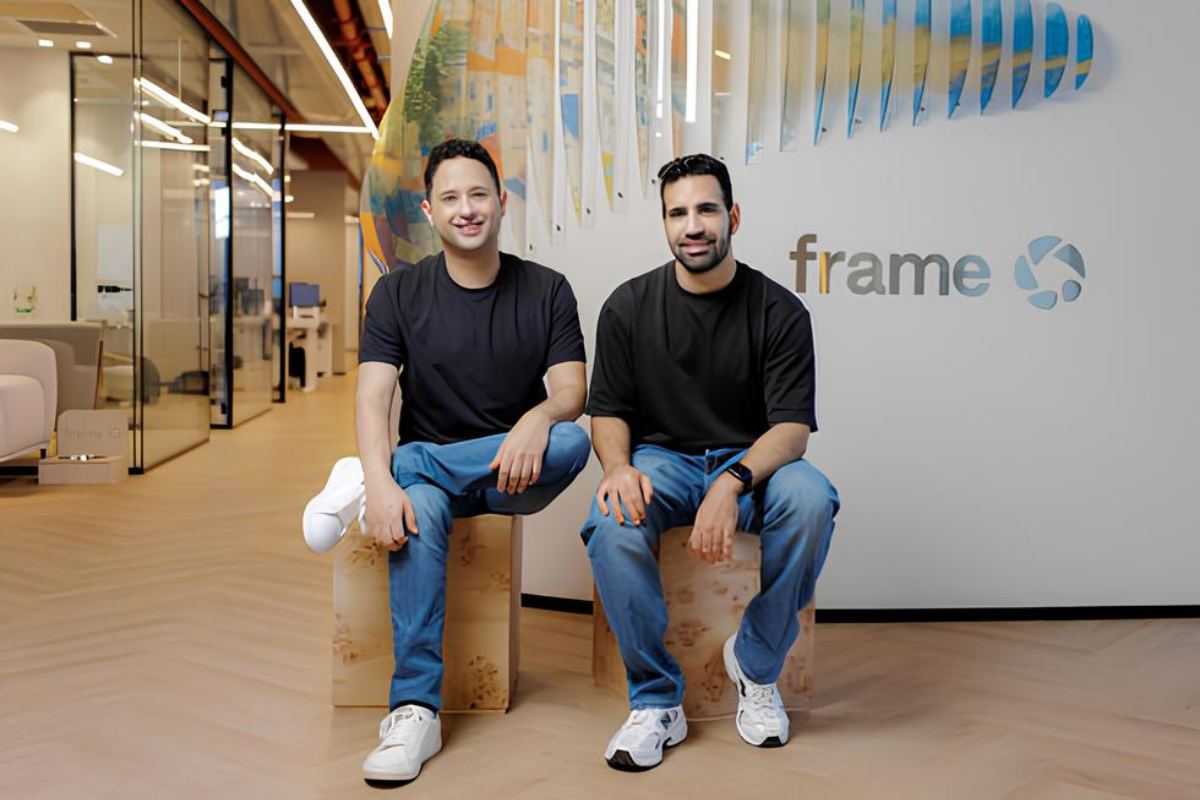
In a world increasingly tethered to digital platforms, the news of a fresh, significant investment in a cybersecurity startup isn't just for tech insiders; it's a signal for everyone who cares about their data, their privacy, and the stability of the digital services they rely on daily. That's why the recent $50 million Series B funding round for Frame, a relatively quiet but impactful player in the cybersecurity space, led by the venerable venture capital firm Index Ventures, should grab your attention. It's a clear indicator that the fight against online threats is evolving, and the big money is betting on a new kind of defense. Here's what happened: Frame, a startup that has been operating somewhat under the radar, announced it secured $50 million in new capital, with Index Ventures at the helm of the round. This isn't just another check written in Silicon Valley; it's a strategic move by one of the most respected tech investors, signaling that Frame's approach to digital security is not just promising, but potentially revolutionary for how businesses and individuals stay safe online. For you, the everyday user, this means better protection for everything from your banking app to your work documents. The investment comes at a pivotal moment, as cyberattacks grow more sophisticated, frequent, and costly. Traditional cybersecurity measures, often likened to building a high wall around a castle, are proving inadequate against today's agile and persistent adversaries. Frame, on the other hand, is building something different. While the company has kept specific details of its technology close to its chest, industry chatter suggests it's focused on "contextual identity verification and adaptive access control," a fancy way of saying it doesn't just check a password and let you in. Instead, it continuously verifies who you are, where you are, what device you're using, and even the "health" of that device, dynamically adjusting your access rights in real time. This helps protect everything from a multinational corporation's cloud infrastructure to your personal files stored remotely. The global cybersecurity market, already valued at over $200 billion annually, is projected to surge past $400 billion by 2030, driven by the relentless pace of digital transformation and the escalating threat landscape. This massive growth isn't just about more computers; it's about more data, more interconnected systems, and more sophisticated attackers leveraging everything from artificial intelligence to geopolitical tensions. Businesses, large and small, are grappling with a severe shortage of skilled cybersecurity professionals and an overwhelming array of threats, including ransomware, advanced phishing schemes, and supply chain attacks that can cripple entire industries. Index Ventures' decision to pour $50 million into Frame suggests they believe this company has found a unique and scalable solution to these pervasive challenges, offering a level of proactive defense that current tools often lack. Index Ventures, known for its early investments in tech giants like Facebook, Slack, Revolut, and Roblox, has a keen eye for disruptive technologies and market leaders. Their involvement isn't just about capital; it's a stamp of approval that lends significant credibility and strategic guidance. For Frame, this partnership means not only the financial runway to accelerate its vision but also access to Index's deep network of talent, partners, and operational expertise, which can be invaluable in navigating the complex and competitive cybersecurity landscape. This kind of backing allows a startup to move faster, innovate harder, and ultimately, bring its solutions to market more effectively, translating into better security for more people sooner.
Why This Matters Now
The era of trusting anyone or anything simply because it's "inside the network" is long gone. The COVID-19 pandemic accelerated the shift to remote work, shattering traditional network perimeters and forcing organizations to rethink how they secure their distributed workforces and cloud-native applications. This sudden, massive dispersal of digital assets created enormous new attack surfaces, making it incredibly difficult for companies to keep track of who is accessing what, from where, and on which device. Cybercriminals have exploited these vulnerabilities relentlessly, leading to a dramatic increase in data breaches and ransomware incidents, costing businesses billions and eroding public trust. For individuals, this often means compromised personal information, financial fraud, and a constant fear of digital insecurity. Frame's focus on "identity-centric security" and "adaptive access" is a direct response to this new reality. Imagine your digital identity not as a static key that either works or doesn't, but as a dynamic, intelligent guard that constantly assesses the risk of every interaction. If you try to access sensitive company data from an unfamiliar coffee shop Wi-Fi network at 3 AM using an old, unpatched laptop, Frame's system would recognize this as a high-risk scenario and might require additional verification or restrict access entirely, even if you typed in the correct password. This "Zero Trust" approach, where nothing is trusted by default, is becoming the gold standard in cybersecurity, and Frame appears to be pushing its boundaries further with contextual awareness and machine learning. It's a shift from merely detecting threats after they've entered to preventing them from gaining a foothold in the first place, offering a more robust shield against the sophisticated attacks that routinely bypass conventional defenses. This kind of proactive defense is critical not just for big tech companies, but for every sector, from healthcare to finance to critical infrastructure. A single breach can lead to massive financial losses, regulatory fines, reputational damage, and even operational shutdowns. For consumers, the impact can range from identity theft and drained bank accounts to disrupted utility services. Frame's technology, by securing the very pathways data travels and the identities accessing it, aims to build a more resilient digital ecosystem. It helps companies avoid becoming the next headline for a major data breach, and by extension, helps protect the personal and financial well-being of millions of individuals globally.
What Happens Next for Frame
With a fresh $50 million injection, Frame is poised for significant expansion. The immediate priorities will likely include accelerating product development, scaling its engineering and threat intelligence teams, and aggressively expanding its market reach. Expect Frame to invest heavily in refining its core technology, potentially integrating more artificial intelligence and machine learning capabilities to anticipate and neutralize emerging threats even faster. This capital infusion will also enable Frame to establish stronger global sales and marketing operations, pushing its solutions into new markets across North America, Europe, and Asia, where the demand for advanced cybersecurity is skyrocketing. The cybersecurity talent war is fierce, and this funding will allow Frame to attract top-tier talent from around the globe, from seasoned security architects to cutting-edge data scientists. This influx of expertise will be crucial for maintaining its innovative edge and staying ahead of cybercriminals who are constantly adapting their tactics. Furthermore, expect Frame to forge strategic partnerships with cloud providers, managed security service providers, and other enterprise software vendors to integrate its platform more seamlessly into existing IT environments. Such collaborations are essential for widespread adoption and for solidifying its position as a foundational layer of modern digital defense. For the competitive landscape, Frame's increased visibility and resources could shake things up. The cybersecurity market is crowded, but innovation remains key. Companies that fail to adapt to the evolving threat landscape risk falling behind. Frame's strong backing from Index Ventures suggests it has a distinct advantage, positioning it as a potential leader in the next generation of security solutions. This may spur other established players to accelerate their own innovation efforts or even lead to acquisition talks down the line, as larger companies look to integrate cutting-edge technologies. Looking ahead, Frame's journey represents a critical test for the cybersecurity industry's ability to truly move beyond reactive defense. As digital lives become more intertwined with every aspect of society, the need for robust, intelligent, and adaptive security solutions will only intensify. This investment by Index Ventures isn't just a bet on a single startup; it's a significant vote of confidence in a future where our digital experiences are not only seamless but also inherently secure, laying the groundwork for a more resilient and trustworthy online world for everyone.
Frequently asked questions
What is Frame and why did Index Ventures invest in it?
Frame is a cybersecurity startup that has secured a $50 million investment from Index Ventures. The investment highlights Frame's innovative approach to digital defense and its potential to address growing cyber threats, making it a key player in protecting online data and privacy.
What is Index Ventures' role in this investment?
Index Ventures led the $50 million funding round for Frame, signifying their confidence in the startup's technology and market potential.
How will the $50 million funding impact Frame's development?
This substantial funding will enable Frame to accelerate its product development, expand its team, and scale its cybersecurity solutions to meet growing demand.
Why is cybersecurity investment so important today?
With increasing digital reliance and sophisticated cyber threats, significant investments in cybersecurity are crucial to protect data, privacy, and the stability of digital infrastructure.
What are the biggest challenges in digital defense?
Key challenges include evolving threat landscapes, talent shortages, and the need for continuous innovation to stay ahead of malicious actors.
Where can I learn more about Frame's technology?
Further details about Frame's specific cybersecurity technologies and solutions would typically be found on their official company website or through press releases following the investment.