Master your Instagram privacy. Learn to disable the new Instants feature and easily retract photos you've accidentally shared.
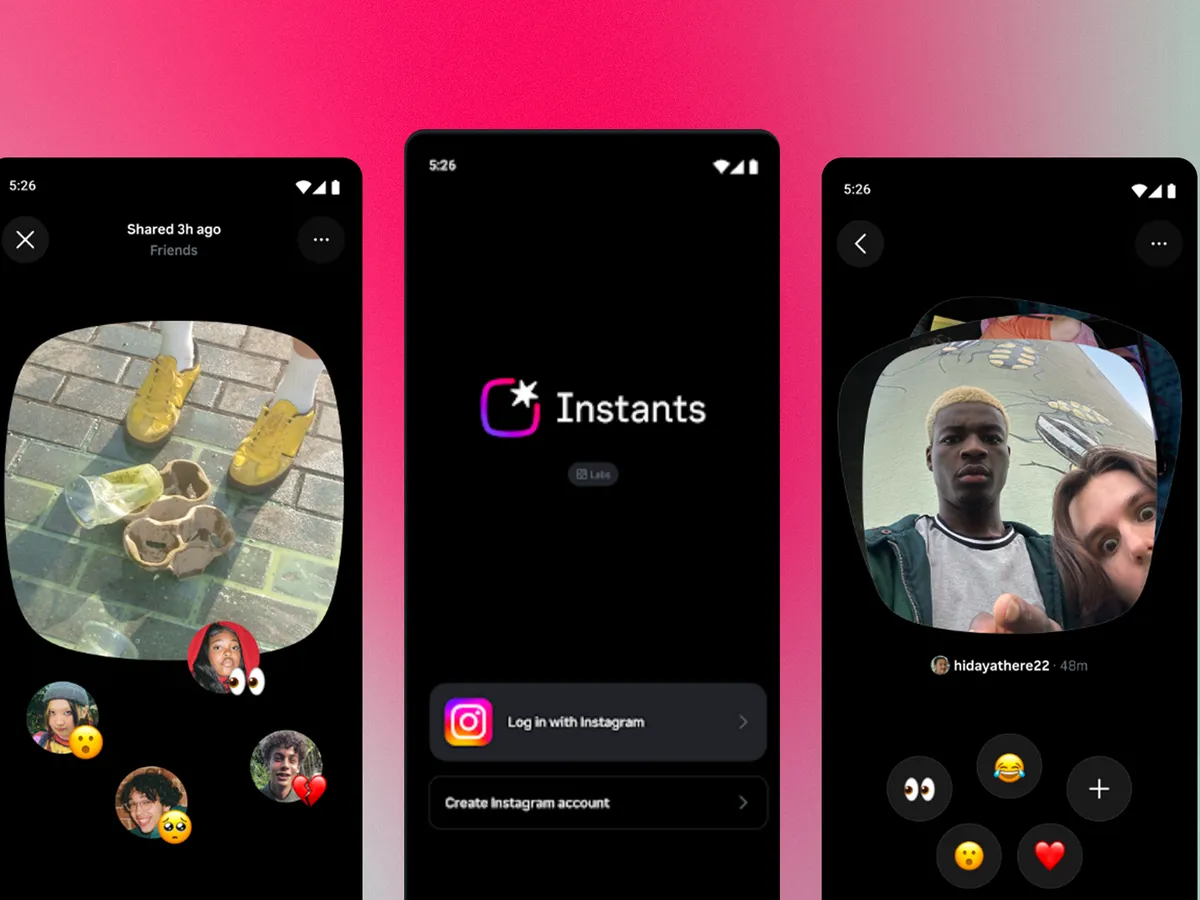
Instagram's new "Instants" feature automatically prompts users to capture and share dual-camera photos daily, mimicking the BeReal app.
Users can disable the Instants feature by navigating through Instagram's notification settings to prevent automatic prompts and sharing.
Accidentally shared Instants photos can be retracted by deleting the specific story or post from the user's Instagram profile.
The feature has sparked user privacy concerns and calls for more transparent consent mechanisms, particularly in privacy-conscious markets like India and Southeast Asia.
This update reflects Instagram's strategic move to enhance real-time engagement and authentic content sharing amidst evolving social media trends.
Meta Platforms' Instagram, a global leader in the Social Media and Tech sector founded in 2010, recently rolled out its "Instants" feature, a new offering designed to foster spontaneous, real-time content sharing. This update, which automatically prompts users to capture and share dual-camera photos daily within a limited window, has swiftly led to user confusion and privacy apprehensions regarding accidental shares and data control. The feature, akin to the popular BeReal application, aims to capture authentic moments but has prompted a significant surge in queries from users across South and Southeast Asia seeking explicit instructions on how to disable it and retract inadvertently shared content. The core functionality of Instants involves a daily notification that urges users to snap a photo using both their front and rear cameras simultaneously, without the option to edit or add filters. If not actively posted to their Instants Story, the captured moment often defaults to sharing, raising flags for users who value explicit control over their digital footprint. Navigating the app to manage this new addition requires a specific sequence of steps, often non-intuitive for the average user, leading to a scramble for clear guidance on managing their privacy preferences. Understanding these steps is crucial for maintaining digital autonomy in an increasingly automated social media landscape. To disable the Instants feature and prevent future automatic prompts, users must delve into Instagram's settings. The process begins by tapping the profile icon, then accessing the main menu (three horizontal lines). From there, users select "Settings and privacy," followed by "Notifications." Within the notification preferences, users will find a section dedicated to "Instants," where they can toggle off the feature entirely. This action ceases the daily prompts and the associated pressure to share, restoring a greater degree of control over the user's interaction with the platform. For those who have already accidentally shared an Instants photo, retraction is possible by simply navigating to the specific Instants story or post on their profile and selecting the option to delete it.
Why It Matters: Privacy, Consent, and User Autonomy in Emerging Markets
The introduction of Instagram Instants underscores a critical ongoing debate within the digital ecosystem: the balance between fostering spontaneous engagement and upholding user privacy and explicit consent. For a region like South and Southeast Asia, where internet penetration is rapidly expanding and digital literacy varies, such features can inadvertently expose users to privacy risks. The automatic nature of Instants, combined with the pressure to share, often bypasses the conscious decision-making process, raising questions about implicit consent. Experts have highlighted that while platforms aim for authentic content, the onus remains on them to provide clear, accessible, and granular control mechanisms.
India alone accounts for over 300 million Instagram users, making it one of the platform's largest markets. An Inc42 survey indicated that nearly 65% of Indian social media users express significant concern over data privacy practices of global tech platforms.
"Platforms like Instagram thrive on engagement, but introducing features that blur the lines of explicit user consent can erode trust, especially in markets sensitised to data privacy," stated a leading cybersecurity analyst who preferred to remain anonymous when speaking to Inc42. The burgeoning regulatory landscape, exemplified by India's Digital Personal Data Protection Act (DPDP Act), emphasises the need for clear consent, data minimisation, and the right to erasure. Features like Instants, if not implemented with transparent controls, could inadvertently contravene these principles, placing greater scrutiny on global tech giants operating in these jurisdictions. The shift towards real-time, ephemeral content, inspired by competitors like BeReal, is a strategic move to capture younger demographics and combat content fatigue, but it must be balanced with robust user safeguards.
Navigating the Future of Ephemeral Content and Digital Self-Sovereignty
The trend towards ephemeral, unedited content is not new, but Instagram's integration of Instants signifies a more aggressive push into this space by a dominant player. This strategic direction aims to foster a sense of "authenticity" often perceived as lacking in curated feeds, thereby boosting user engagement and time spent on the app. However, the implementation style of Instants — its automatic prompts and potential for accidental sharing — highlights a broader challenge in platform design: how to innovate for engagement without compromising user autonomy. For users in South and Southeast Asia, where social media penetration is high and privacy awareness is growing, the demand for greater control over personal data and online interactions is becoming increasingly pronounced. The path forward for platforms like Instagram involves not just introducing novel features but also meticulously designing them with user-centric controls at the forefront. This includes clearer onboarding processes that explicitly explain new features, opt-in rather than opt-out mechanisms, and easily accessible settings for managing privacy preferences. As the digital landscape evolves, the expectation is that tech companies will move beyond mere compliance with privacy regulations to proactively build features that empower users with genuine digital self-sovereignty. The Instants feature serves as a potent reminder that while innovation drives the tech sector, user trust and control remain paramount for sustainable growth, especially in diverse and rapidly digitalising markets.
Frequently asked questions
How do I turn off Instagram's new Instants feature?
You can turn off Instagram's Instants feature by navigating to your notification settings within the app. Locate the 'Instants' section and disable the prompts to prevent automatic photo capture and sharing.
Can I delete Instants photos I've accidentally shared?
Yes, accidentally shared Instants photos can be retracted. Simply go to your Instagram profile, find the specific story or post from the Instants feature, and use the delete option to remove it permanently.
What is the new Instagram Instants feature?
Instagram's new 'Instants' feature is a daily prompt that encourages users to capture and share a dual-camera photo. It aims to mimic the spontaneous sharing style of the BeReal app, focusing on in-the-moment content.
Where do I find the Instants settings on Instagram?
The settings for the Instants feature are located within Instagram's main notification settings. You'll need to access your profile, then settings, and look for a section related to notifications or specific features like Instants.
Does Instagram Instants automatically share my photos?
While Instants prompts you daily, it typically requires user confirmation to share the photo. However, disabling the feature prevents the daily prompts from appearing altogether, ensuring no accidental shares.
Why did Instagram add the Instants feature?
Instagram added the Instants feature to encourage more authentic, in-the-moment sharing among users and to compete with the growing popularity of apps like BeReal, which gained traction for their spontaneous photo prompts and dual-camera functionality.