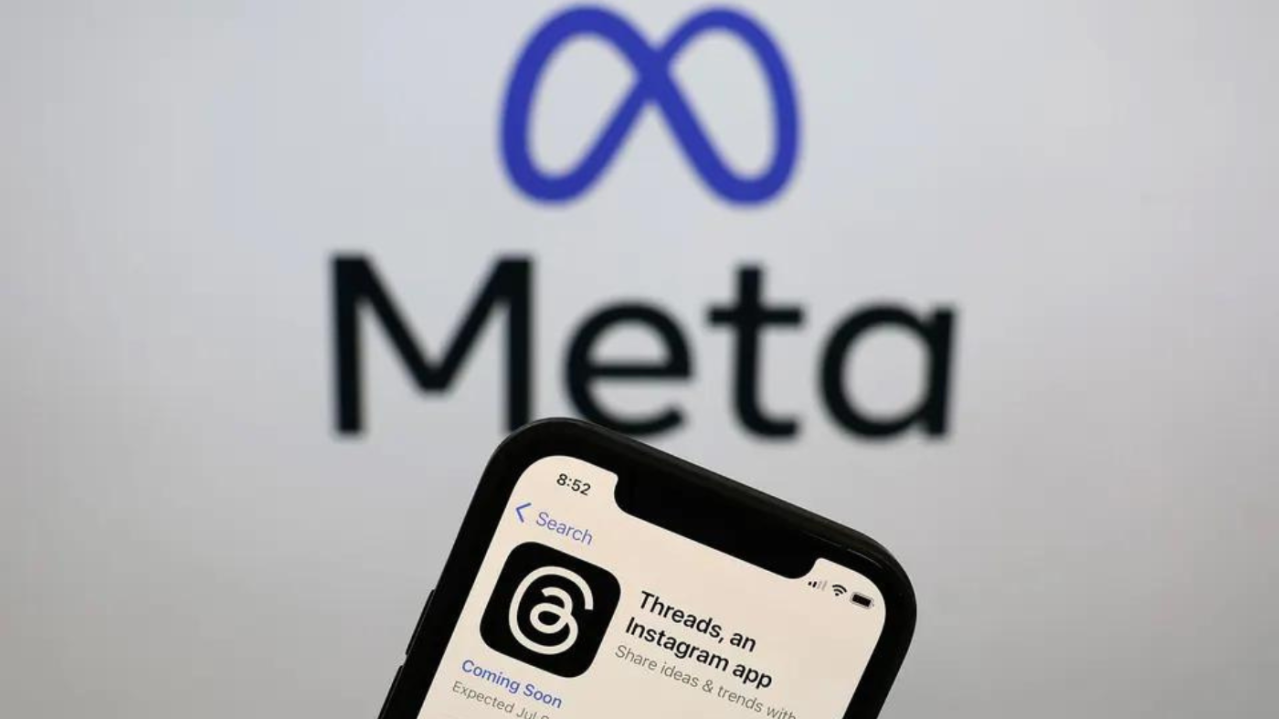
Meta's generative AI testing rolls out to Threads users in India, Ghana, South Africa, Uganda, and Nigeria, signaling a major platform evolution.
The digital landscape is once again shifting, with Meta Platforms announcing a significant expansion of its Meta AI testing to Threads users across five additional countries: India, Ghana, South Africa, Uganda, and Nigeria. This move, which integrates advanced generative artificial intelligence directly into the nascent text-based social platform, has been met with a predictable mix of anticipation and skepticism within technology circles. While many observers view this as a rapid, perhaps even reactive, attempt by Meta to inject novelty into Threads and keep pace with a fiercely competitive social media environment, a deeper analytical perspective suggests a far more strategic and long-term play.
The conventional wisdom posits that Meta's aggressive integration of AI, particularly into a relatively new platform like Threads, is primarily a defensive maneuver. Faced with the formidable growth of TikTok and the re-energized, AI-curious discourse on X (formerly Twitter), the narrative suggests Threads is scrambling to find its unique selling proposition beyond its direct link to Instagram. Critics often frame this as Meta's historical pattern of "throwing everything at the wall to see what sticks," or a desperate effort to leverage the current AI hype cycle to boost user engagement and retention on a platform that has seen fluctuating fortunes since its explosive debut.
According to this perspective, the introduction of a sophisticated AI assistant might be perceived as a feature bloat, potentially diluting the core user experience of Threads, which initially promised a simpler, more conversation-focused environment. Users, it is argued, come to Threads for human connection and topical discussions, not necessarily for a conversational AI bot. Furthermore, the rapid expansion to diverse markets, particularly in the Global South, could be interpreted as a broad, uncalibrated rollout aimed at gathering vast quantities of data quickly, rather than a finely tuned deployment. The underlying concern is that Meta AI could become an intrusive, rather than an enriching, element, further complicating Meta's already complex relationship with user privacy and content moderation.
However, this conventional interpretation, while superficially plausible, overlooks a more nuanced reality rooted in Meta's long-standing strategic investments and the evolving imperatives of the digital economy. Far from being a reactive measure, the integration of Meta AI into Threads is the logical culmination of nearly a decade of sustained research and development in artificial intelligence by Meta, positioning AI as the foundational layer for all its products, not just a tacked-on feature. Meta's commitment to AI predates the current generative AI boom, with billions of dollars invested annually in this domain, alongside the development of foundational models like Llama, which now power its conversational AI.
Consider Meta's holistic approach to AI. The company has explicitly stated its ambition to build "universal AI" that permeates every aspect of its ecosystem, from content ranking and recommendation algorithms on Facebook and Instagram to advanced avatar creation and environmental understanding in its metaverse initiatives. The current Meta AI is not merely a chatbot; it is designed to be a multimodal assistant, capable of generating text and images, answering queries, summarizing content, and assisting with creative tasks. Its integration into Threads, therefore, is not an isolated experiment but a critical component of a broader strategy to embed intelligent agents across its entire family of applications, enhancing utility and engagement in ways specific to each platform's context.
Meta's AI Investment Scale
Meta has consistently ranked among the top global investors in AI research and development. Publicly available information and financial reports indicate annual R&D expenditures in the tens of billions of dollars, a significant portion of which is dedicated to AI. The company's AI research division, FAIR (Fundamental AI Research), has been a pioneer in open-source AI, exemplified by the Llama series of large language models, demonstrating a long-term commitment beyond immediate product launches.
On Threads, Meta AI can serve several crucial functions that go beyond simple question-answering. It can act as a sophisticated content discovery engine, helping users navigate the deluge of information by summarizing trending topics, identifying relevant discussions, or even generating new content ideas for creators. Imagine an AI that can help a user quickly grasp the essence of a complex thread on geopolitical events, or suggest engaging prompts for a creator struggling with writer's block. This moves AI from a mere utility to a fundamental tool for enhancing platform stickiness and fostering a more dynamic, informed community.
The choice of expansion markets—India, Ghana, South Africa, Uganda, and Nigeria—further underscores this strategic depth. These are not random selections; they represent some of the world's most dynamic and mobile-first digital economies, characterized by rapidly growing internet penetration, diverse linguistic landscapes, and a high propensity for digital engagement. India, with its vast population and burgeoning digital economy, offers an unparalleled testing ground for AI at scale and across multiple languages. African markets like Ghana, South Africa, Uganda, and Nigeria are experiencing significant digital transformation, with mobile devices often serving as the primary, if not sole, means of internet access. This provides Meta with invaluable data on how AI performs in environments with varying network infrastructures, data costs, and user behaviors, particularly in non-English contexts.
Testing in these geographies allows Meta to refine its AI models for cultural nuances, local dialects, and specific information needs that might differ significantly from Western markets. This global approach is critical for building truly "universal AI" that is robust and relevant across diverse user bases, rather than being narrowly optimized for a few dominant languages or cultures. It also reflects Meta's recognition of these markets as future growth engines for its platforms, making early AI integration a strategic imperative for long-term user acquisition and retention.
Moreover, the integration of AI is not merely about adding a new feature; it is a competitive imperative in the evolving landscape of social media. Platforms that fail to embed advanced AI capabilities risk becoming obsolete as user expectations shift towards more personalized, intelligent, and interactive experiences. TikTok's success, for instance, is heavily reliant on its sophisticated AI-driven recommendation engine, which keeps users endlessly engaged. X, under new ownership, is also making aggressive moves to integrate AI, signaling that the future of social platforms will be inextricably linked to their AI prowess.
Meta, with its immense scale and unparalleled access to user data—within ethical boundaries and privacy frameworks—possesses a distinct advantage in training and deploying highly personalized AI models. Billions of users across its family of apps generate vast quantities of data that, when responsibly utilized, can power AI systems capable of understanding context, predicting preferences, and delivering highly relevant experiences on Threads. This scale allows for rapid iteration and improvement of AI features in ways that smaller competitors simply cannot match.
Key Takeaways: Threads AI Expansion
**Strategic Imperative:** Not a reactive move but a culmination of Meta's long-term AI strategy.
**Multimodal Utility:** Meta AI on Threads aims for content discovery, creation assistance, and information retrieval.
**Global Testing Ground:** Expansion to India, Ghana, South Africa, Uganda, and Nigeria provides diverse, mobile-first data for refining universal AI.
**Competitive Necessity:** AI integration is crucial for platform relevance in an evolving social media landscape.
**Scale Advantage:** Meta's vast user base provides unparalleled data for AI training and personalization.
However, the analytical perspective also mandates acknowledging the significant challenges that remain. The widespread deployment of generative AI, particularly in public social feeds, raises legitimate concerns about misinformation, hallucination, and the potential for AI models to perpetuate biases embedded in their training data. Meta will need to invest heavily in robust moderation systems, transparent AI ethics, and user education to mitigate these risks. The balance between offering powerful AI tools and ensuring responsible deployment will be a continuous tightrope walk.
User adoption is another critical factor. While some users may embrace AI for its utility, others might be wary of its presence, particularly given Meta's history with data privacy. The integration must feel seamless and genuinely additive, rather than forced or intrusive, to gain widespread acceptance. The success of Meta AI on Threads will ultimately hinge on its ability to deliver tangible value without compromising trust or overwhelming the user experience.
Looking ahead, the expansion of Meta AI testing on Threads is a pivotal moment for Meta's broader AI ambitions. It signals a future where AI is not just a backend tool for content moderation or ad targeting, but an active, interactive participant in our digital conversations and creative processes. If successful, it could redefine how users interact with social platforms, turning them into dynamic, intelligent ecosystems that anticipate needs and facilitate richer exchanges. If not, it risks becoming another cautionary tale of technology outstripping user readiness.
In conclusion, while the initial knee-jerk reaction views Meta's Threads AI expansion as a hurried, tactical response to competitive pressures, a more rigorous analysis reveals a deep-seated strategic commitment. This move is less about chasing trends and more about cementing AI as the core operating system for Meta's entire digital empire. By leveraging its foundational AI investments, strategically targeting diverse global markets, and addressing the competitive imperative, Meta is not merely adding a feature; it is fundamentally reshaping Threads as a proving ground for the intelligent social platforms of tomorrow. The true measure of this strategy will be its ability to overcome the inherent challenges of AI deployment and deliver a truly valuable, trusted experience to its global user base.
Frequently asked questions
What countries are included in the Threads Meta AI expansion?
Meta AI testing is expanding to Threads users in India, Ghana, South Africa, Uganda, and Nigeria. This move integrates advanced generative artificial intelligence directly into the social platform.
What is Meta AI?
Meta AI is Meta Platforms' proprietary generative artificial intelligence, designed to enhance user experiences across its various platforms.
How will Meta AI affect Threads users?
It will integrate advanced AI capabilities, potentially offering new ways to interact with content, generate text, and improve discovery on the platform.
Why is Meta expanding AI testing to these specific countries?
The expansion likely targets diverse user bases to gather comprehensive feedback and ensure the AI's effectiveness across various cultural and linguistic contexts.
When did Meta announce this expansion?
Meta Platforms recently announced this significant expansion, marking a new phase for AI integration on Threads.
Is Meta AI available on other Meta platforms?
Yes, Meta AI is being integrated and tested across various Meta platforms, including Facebook, Instagram, and WhatsApp, in addition to Threads.