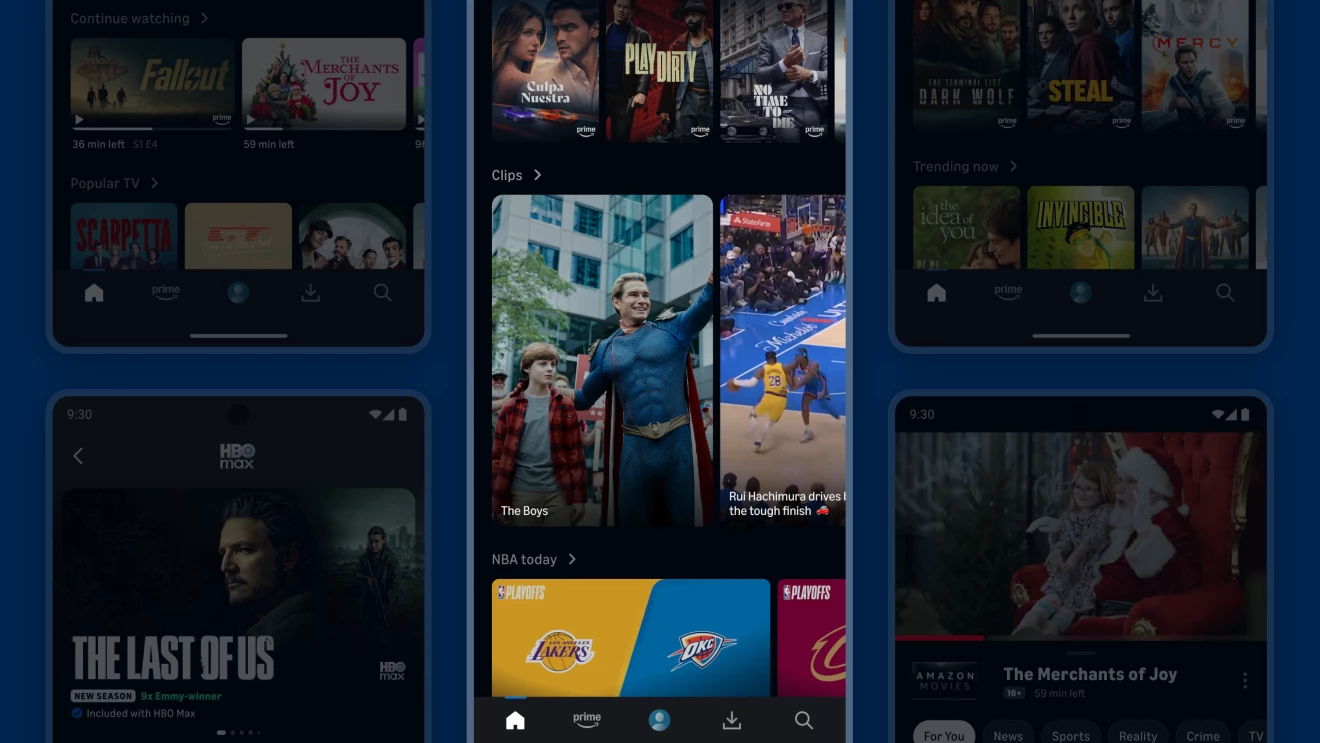
The digital ecosystem of sport is drowning in shallow, monetized content, creating an infinite scroll driven by endless highlights and hot takes.
The screen flickers. Another clip, another highlight, another hot take. It’s a relentless deluge. From the hyper-stylized slow-motion replay of a minor foul to the algorithmically-generated reaction video, the digital ecosystem of sport is choking on its own output. We are deep in the "Ronaldo-verse": an infinite scroll of content, much of it fleeting, shallow, and aggressively monetized. This isn’t a natural phenomenon; it's a carefully constructed environment, and the adults – the decision-makers at every level of the sports-tech industrial complex – are its architects.
Founders and operators in this space watch it unfold daily. They build the platforms, fund the content houses, and devise the engagement metrics. The immediate goal is often simple: capture attention, drive interaction, convert eyeballs to revenue. Yet, the long-term cost is becoming starkly apparent. The core essence of sport – the shared experience, the genuine narrative, the unadulterated drama – risks being buried under a mountain of digital sludge.
The Ever-Expanding Digital Arena
Consider the scale. A single major football match today generates not just 90 minutes of live action, but thousands of micro-moments. There are pre-game analyses, live minute-by-minute updates, half-time tactical breakdowns, post-match press conferences, player interviews, fan reactions, referee assessments, injury updates, transfer rumours, training ground footage, historical comparisons, and endless highlight reels. Each element is packaged, sliced, diced, and distributed across a dizzying array of platforms: TikTok, Instagram, YouTube, X, Facebook, dedicated club apps, league websites, sports news portals, fantasy sports hubs, and betting sites. This is not merely an expansion; it’s an explosion.
In 2023, the global sports media market topped $500 billion, with digital consumption representing an ever-growing share. Platforms like DAZN, which started as a pure-play streaming service, now produce vast amounts of original content, from documentaries to daily talk shows, all vying for subscriber attention. ESPN, once a television titan, has pivoted aggressively to digital, pushing an arsenal of podcasts, short-form videos, and written analysis to keep pace. Every major league, from the Premier League to the NBA, now operates sophisticated digital media arms, pumping out content designed to retain fan engagement 24/7. These entities are not just distributing content; they are generating it at an unprecedented velocity.
The result is a landscape where scarcity is obsolete. Attention, not content, is the commodity. And to capture that attention, the algorithms demand volume, virality, and immediate gratification. Nuance is sacrificed. Depth is rare. The narrative becomes a series of disconnected, bite-sized moments, optimized for infinite scroll and rapid consumption.
The Architects of Overload
Who are these "adults" Ronay points to? They are the rights holders, the leagues, the clubs, the broadcasters, the tech platforms, and even the athletes themselves. Each plays a role, often driven by intense commercial pressure and a fear of being left behind.
Leagues and clubs, in their quest for global reach and diversified revenue, have embraced every new platform. They monetize fan data, create bespoke content studios, and encourage athletes to build personal brands that feed the content beast. This direct-to-fan model, while offering unprecedented access, also bypasses traditional gatekeepers, unleashing a torrent of unfiltered, often unverified, information. Athletes, once protected by media departments, now manage their own social channels, often leveraging them for personal endorsements that further blur the lines between sport and entertainment, authenticity and advertising.
Broadcasters and traditional media, facing declining linear viewership, have chased digital engagement with a similar fervor. They have cut journalistic resources in favor of opinion-based programming and aggregated content, prioritizing clickbait headlines and sensationalist takes over investigative reporting. The churn is essential; every refresh, every new article or video, represents a potential ad impression or subscription conversion.
Then there are the tech platforms. Their entire business model is predicated on maximizing user engagement. Their algorithms are designed to keep users scrolling, clicking, and watching. This often means prioritizing content that elicits strong emotional responses – outrage, excitement, laughter – regardless of its factual basis or actual value. They provide the infrastructure and the incentive for the sludge to flourish, profiting immensely from the data generated by this constant interaction.
The Cost to Authenticity and Value
The consequences are far-reaching. For the fan, the joy of sport, once a shared and relatively straightforward experience, becomes fragmented and exhausting. The narrative is constantly interrupted, repackaged, and re-contextualized. It's difficult to discern genuine passion from paid promotion, insightful analysis from algorithmic noise. This constant exposure to a diluted version of the game risks dulling the very passion it seeks to ignite.
For founders and operators, the challenge is existential. How do you differentiate premium content in a market saturated with free, often mediocre, alternatives? How do you build sustainable business models when attention spans are shrinking and loyalty is fleeting? The race to the bottom, where content is produced cheaply and quickly to feed the algorithm, threatens to devalue the entire ecosystem. Quality journalism, in-depth analysis, and long-form storytelling become niche products, struggling to compete with the immediate gratification offered by a 15-second TikTok video.
The monetization strategies themselves contribute to the problem. Sports betting companies, now integrated deeply into broadcasts and digital content, flood feeds with odds, tips, and promotional material, further blurring the lines between sport and gambling, entertainment and speculation. Fantasy sports platforms, while engaging, create another layer of content focused on individual statistics rather than team narratives. Every new revenue stream, it seems, adds another tributary to the content river, often carrying more sediment than clear water.
Beyond the Sludge: A Path for Innovation
Despite the pervasive nature of the Ronaldo-verse, opportunities exist for founders and operators willing to challenge the status quo. The antidote to sludge is not less content, but smarter, more intentional content.
The demand for authenticity and curated experiences is growing. Niche platforms that prioritize deep dives, analytical rigor, or exclusive behind-the-scenes access – without the constant noise and commercial interruptions – can carve out significant market share. Imagine a platform that focuses solely on the tactical evolution of football, or the biomechanics of athletic performance, devoid of transfer rumors and punditry.
Community building, rather than mass broadcasting, offers another avenue. Engaging smaller, highly passionate fan groups through interactive content, exclusive Q&As, and direct access can foster loyalty that the broad social media platforms struggle to achieve. This shifts the focus from passive consumption to active participation and ownership.
Ethical AI and algorithmic design are critical. Instead of simply optimizing for clicks and watch time, future platforms must explore metrics that reward quality, depth, and positive user experience. This requires a fundamental re-evaluation of what constitutes "engagement" and a willingness to prioritize long-term value over short-term spikes.
The adults are indeed to blame for the current state of the Ronaldo-verse. But they are also the ones who hold the keys to its future. The challenge for founders and operators is to move beyond the short-term gains of endless content production and instead innovate towards a more sustainable, valuable, and genuinely enriching sports experience.
The power of sport lies in its narratives, its heroes, its drama, and its communal spirit. If these elements are consistently diluted by a never-ending stream of commercialized, algorithmically optimized noise, the very foundation of the sports industry will erode. The time for thoughtful intervention, for an adult conversation about the future of sports content, is now.
Key Takeaways
Content Overload is a Strategic Threat: The sheer volume of sports content, much of it low-quality and algorithm-driven, threatens to devalue premium experiences and diminish fan engagement.
Accountability Lies with Industry Leaders: Leagues, clubs, broadcasters, and tech platforms, driven by commercial imperatives, are directly responsible for creating and perpetuating the "Ronaldo-verse."
Authenticity and Curation Offer Differentiation: Founders can thrive by building platforms that prioritize quality, depth, and curated experiences, cutting through the noise with genuine storytelling and analytical rigor.
Rethink Engagement Metrics: Moving beyond simple clicks and views to metrics that reward meaningful interaction, community building, and positive user experience is crucial for sustainable growth.
Innovation in Ethical AI is Key: Developing algorithms that promote valuable content over sensationalism will be vital for reclaiming the narrative and ensuring the long-term health of sports media.
Frequently asked questions
What is the "Ronaldo-verse"?
The "Ronaldo-verse" describes the overwhelming digital landscape of sports content, characterized by an infinite scroll of fleeting, shallow, and aggressively monetized clips, highlights, and hot takes. It signifies a saturation of the sports media ecosystem.
Who is Barney Ronay?
Barney Ronay is a prominent sports journalist and author, known for his critical and insightful commentary on the state of sport and its culture. He primarily writes for The Guardian, offering unique perspectives on contemporary sports issues.
What is "sludge of content" in sport?
"Sludge of content" refers to the excessive and often low-quality digital output in sports media, including endless highlights, reaction videos, and superficial analysis, which overwhelms consumers and diminishes genuine engagement, creating a cluttered experience.
Why are adults blamed for the "Ronaldo-verse"?
Adults are blamed for perpetuating the "Ronaldo-verse" by actively consuming, sharing, and implicitly supporting the demand for this relentless stream of digital content. Their engagement contributes to its aggressive monetization and proliferation, making them complicit in the problem.
How does monetized content impact sports?
Aggressively monetized content drives the creation of more, often lower-quality, content, prioritizing clicks and views over depth or meaningful engagement. This contributes to the "sludge" and can erode the authentic experience of sport by focusing on profit over quality.
What are hot takes in sports media?
Hot takes are quickly formed, often controversial or attention-grabbing opinions shared without deep analysis, designed to provoke reactions and drive engagement in the fast-paced digital sports media landscape. They prioritize virality over thoughtful discourse.