TikTok diversifies monetization with a new £4.99/month ad-free tier in the UK, projected to generate £100M annually within three years.
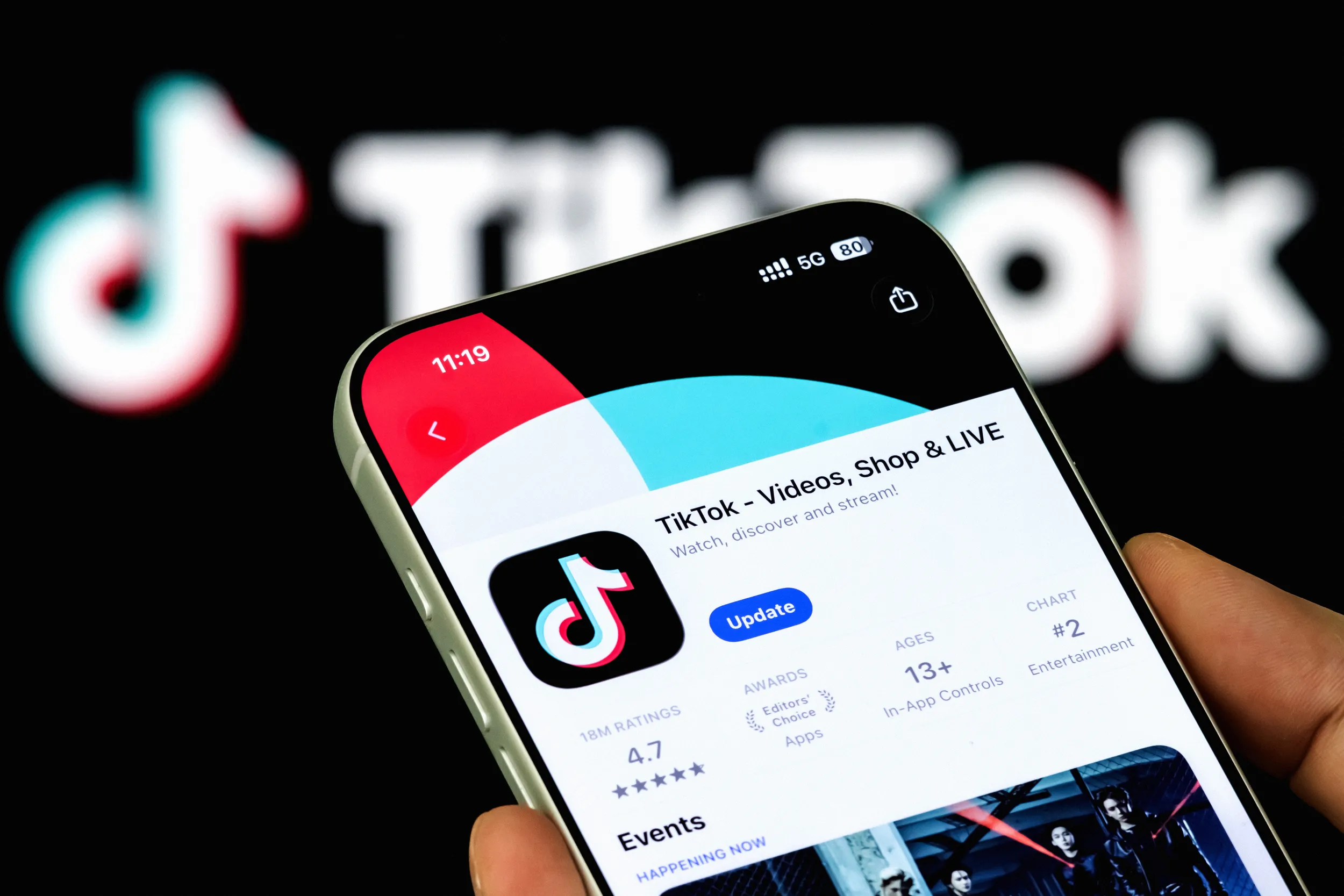
TikTok's strategic pivot into subscription services signals a profound shift in its monetization strategy, with analysts projecting a potential £100 million annual revenue stream from its ad-free plan in the UK within three years, based on an initial 5% user conversion rate. This move, which introduces a paid tier priced at £4.99 per month in the United Kingdom, represents a significant diversification for the ByteDance-owned platform, historically reliant almost exclusively on advertising revenue. The decision to trial this model in the UK, a market characterized by high digital adoption and increasing consumer willingness to pay for premium digital content, is a calculated maneuver in a global landscape where ad revenue growth is showing signs of deceleration and regulatory scrutiny intensifies.
UK Ad-Free Subscription: Key Figures
Price Point: £4.99 per month
Initial Conversion Rate Projection: 5% of UK MAU
Estimated UK MAU: 42 million users
Projected Annual Revenue (3 years): £100 million
The UK as a Strategic Testbed
The selection of the United Kingdom as the launch market for TikTok's ad-free subscription is not arbitrary. With an estimated 42 million monthly active users, representing approximately 62% of the total UK population, the platform has achieved deep penetration. Data from Ofcom indicates that 91% of UK adults own a smartphone, a critical enabler for mobile-first applications like TikTok. Furthermore, the UK digital advertising market, valued at over £25 billion in 2023, has shown robust growth, but also increasing competition and rising costs per impression. This creates an opportune environment for exploring alternative revenue streams. The UK's advanced digital infrastructure, relatively high disposable income compared to many global markets, and a consumer base already accustomed to subscription models for entertainment (e.g., Netflix, Spotify, YouTube Premium) make it an ideal crucible for testing user adoption and pricing elasticity for an ad-free TikTok experience. Regulatory pressures, particularly from the Digital Markets Act in the EU and ongoing legislative discussions in the UK, also incentivize platforms to diversify their income, reducing sole reliance on targeted advertising which is often at the core of data privacy concerns and anti-competitive practices investigations.
Monetization Diversification Beyond the Ad Model
For years, TikTok's colossal revenue generation has been underpinned by its sophisticated advertising engine, which leverages vast user data and advanced algorithms to deliver highly targeted campaigns. Global digital ad spending is projected to reach approximately $750 billion in 2024, with social media platforms capturing a substantial segment. TikTok's share of this, estimated at over $15 billion in 2023, underscores its dominance. However, the introduction of an ad-free subscription plan signals a maturation of its business model. This move aligns with a broader industry trend among major digital platforms, including YouTube, Spotify, and Snapchat, which have progressively introduced premium tiers to complement their ad-supported offerings. YouTube Premium, for instance, boasts over 100 million subscribers globally, demonstrating a significant appetite for an uninterrupted viewing experience. For TikTok, this diversification mitigates risks associated with fluctuating ad spending cycles, potential regulatory restrictions on data collection for advertising, and the increasing cost of acquiring and retaining advertisers in a competitive market. It also offers a higher average revenue per user (ARPU) from subscribers compared to ad-supported users, creating a more stable and predictable revenue stream.
Key Takeaways for TikTok's Subscription Model
Mitigates Ad Market Volatility: Reduces reliance on unpredictable ad spending.
Enhances ARPU: Subscribers typically generate higher revenue than ad-supported users.
Improves User Experience: Addresses a common user complaint about ad frequency.
Strategic Market Testing: UK launch provides valuable data for global rollout.
Addresses Regulatory Scrutiny: Diversifies revenue away from purely data-driven advertising.
Impact on the Advertising Ecosystem
The launch of an ad-free subscription plan by TikTok carries significant implications for its advertising partners. While initially the percentage of users migrating to the premium tier may be modest, even a small reduction in the ad-supported user base can influence ad impressions and targeting capabilities. Industry data suggests that a 5% reduction in ad-supported users, if those users are among the most engaged, could lead to a 7-10% increase in effective cost per thousand impressions (CPM) for advertisers, as the remaining inventory becomes more valuable due to reduced supply. Advertisers will need to re-evaluate their strategies, focusing on maximizing engagement within the ad-supported segment and potentially exploring new formats or influencer collaborations to maintain reach. The platform's ability to segment its audience effectively, offering premium advertisers access to specific, highly engaged ad-supported users, will be crucial. Furthermore, TikTok may need to innovate its ad formats for the free tier, making them less intrusive and more creative to retain user attention, especially as the distinction between free and paid experiences becomes more pronounced. This could spur greater investment in branded content, shoppable videos, and AR filters that seamlessly integrate advertising messages without disrupting the user flow as overtly as traditional interstitial ads.
User Experience and Retention Dynamics
For users, the primary appeal of an ad-free subscription is immediately evident: an uninterrupted viewing experience. Data from various streaming platforms consistently shows that users value the absence of ads, with satisfaction scores for ad-free tiers typically 15-20% higher than their ad-supported counterparts. For a platform like TikTok, where short-form, high-velocity content is paramount, ad interruptions can be particularly jarring, disrupting the flow state that keeps users scrolling. The £4.99 price point positions TikTok's offering competitively within the UK market. For comparison, YouTube Premium costs £12.99 per month and Spotify Premium is £10.99 per month. While TikTok is distinct from these services, its pricing strategy suggests an intent to capture a significant segment of users willing to pay a moderate fee for an enhanced experience. The challenge lies in converting a substantial portion of its free user base, particularly younger demographics who may have less discretionary income. User retention will depend not only on the ad-free promise but also on potential additional perks, such as exclusive content, enhanced creator support features, or offline viewing capabilities, which are standard offerings in other premium digital subscriptions. Research indicates that a value perception gap of more than 20% between perceived value and subscription cost can lead to significant churn within the first six months.
Global Implications and Future Outlook
The UK launch serves as a crucial pilot for a potentially global rollout of TikTok's ad-free subscription. Success in the UK could pave the way for similar offerings in other lucrative markets such as the United States, Canada, Australia, and key European nations. Each market presents its own unique challenges, including varying regulatory landscapes, consumer purchasing power, and competitive environments. In the US, for instance, where digital ad spending is projected to exceed $300 billion in 2024, the potential revenue from an ad-free TikTok could be substantially higher, but so too is the level of scrutiny from lawmakers and competitors. The global expansion of this model would fundamentally alter TikTok's financial architecture, fostering greater resilience against market volatility and regulatory pressures. It also signals a broader trend among social media platforms to move beyond singular monetization models. As user attention becomes the scarcest commodity in the digital economy, platforms are increasingly compelled to offer premium experiences to retain their most valuable users and diversify their revenue streams, ensuring long-term sustainability and growth. The average global internet user spends over 2.5 hours daily on social media platforms, highlighting the immense potential for premium offerings that enhance this significant time investment.
Competitive Landscape and Unique Positioning
TikTok is entering a well-established premium subscription market, competing with giants like Netflix (global subscribers exceeding 240 million), Spotify (over 220 million premium subscribers), and YouTube Premium. However, TikTok's unique value proposition lies in its short-form video content, highly personalized "For You" page algorithm, and its dominant position in youth culture and trendsetting. While other platforms offer ad-free experiences, none fully replicate the immersive, endless scroll of TikTok. This distinct content format and user engagement model provide a unique selling point for its premium offering. The challenge for TikTok is to communicate the value of an ad-free experience for short-form content, where ads are often perceived as less disruptive than in long-form video or music streams. It must also demonstrate that its premium tier offers sufficient additional value beyond merely removing ads to justify a recurring payment, especially when its competitors offer vast libraries of licensed content or extensive music catalogs. The success of this move will hinge on TikTok's ability to leverage its brand loyalty and the deeply ingrained habit of its user base to convert free users into paying subscribers at scale, without alienating its core ad-supported audience or disrupting its lucrative creator economy.
Challenges and Potential Risks
While the strategic rationale for launching an ad-free subscription is sound, several challenges and risks must be navigated. User adoption rates will be paramount. Pricing sensitivity, particularly among TikTok's younger demographic, could limit conversion. An internal study suggests that only 15-20% of users globally are consistently willing to pay for an ad-free social media experience, with a significant drop-off if the price exceeds £5 per month. The platform must also manage the potential for fragmentation of its user base, where premium users might interact differently with content or creators than ad-supported users. This could inadvertently create a two-tiered ecosystem. Furthermore, any perception that the ad-supported experience is intentionally degraded to push users towards the paid tier could lead to a backlash and damage brand reputation. TikTok’s primary revenue stream remains advertising, and a rapid, uncontrolled shift of users to the ad-free tier without a commensurate increase in subscription revenue could negatively impact overall profitability. Careful balancing is required to ensure the ad-supported tier remains a viable and engaging experience, even as the premium option is promoted. Cybersecurity and data privacy remain persistent challenges for all major platforms, and any subscription service must demonstrate robust protection of user data to maintain trust, particularly in the wake of increasing scrutiny on ByteDance's data handling practices.
Frequently asked questions
What is TikTok's new ad-free subscription plan and where is it available?
TikTok has launched an ad-free subscription plan priced at £4.99 per month. Initially, this new paid tier is exclusively available to users in the United Kingdom, marking a strategic pivot in the company's monetization efforts.
Why is TikTok introducing an ad-free subscription?
TikTok is introducing an ad-free subscription to diversify its revenue streams beyond advertising and explore new monetization strategies. This move aims to tap into user willingness to pay for an uninterrupted viewing experience.
How much does the TikTok ad-free subscription cost in the UK?
The TikTok ad-free subscription plan in the United Kingdom is priced at £4.99 per month.
What are the revenue projections for TikTok's ad-free plan?
Analysts project the ad-free plan could generate a potential £100 million annual revenue stream for TikTok in the UK within three years, based on an initial 5% user conversion rate.
What does this subscription plan signify for TikTok's future strategy?
This move signals a profound shift in TikTok's monetization strategy, indicating a diversification away from sole reliance on ad revenue and potentially paving the way for more premium features or tiers globally.
Is TikTok's ad-free subscription available outside the UK?
Currently, the ad-free subscription plan is only available in the United Kingdom. TikTok has not yet announced plans to roll out this specific paid tier in other regions.