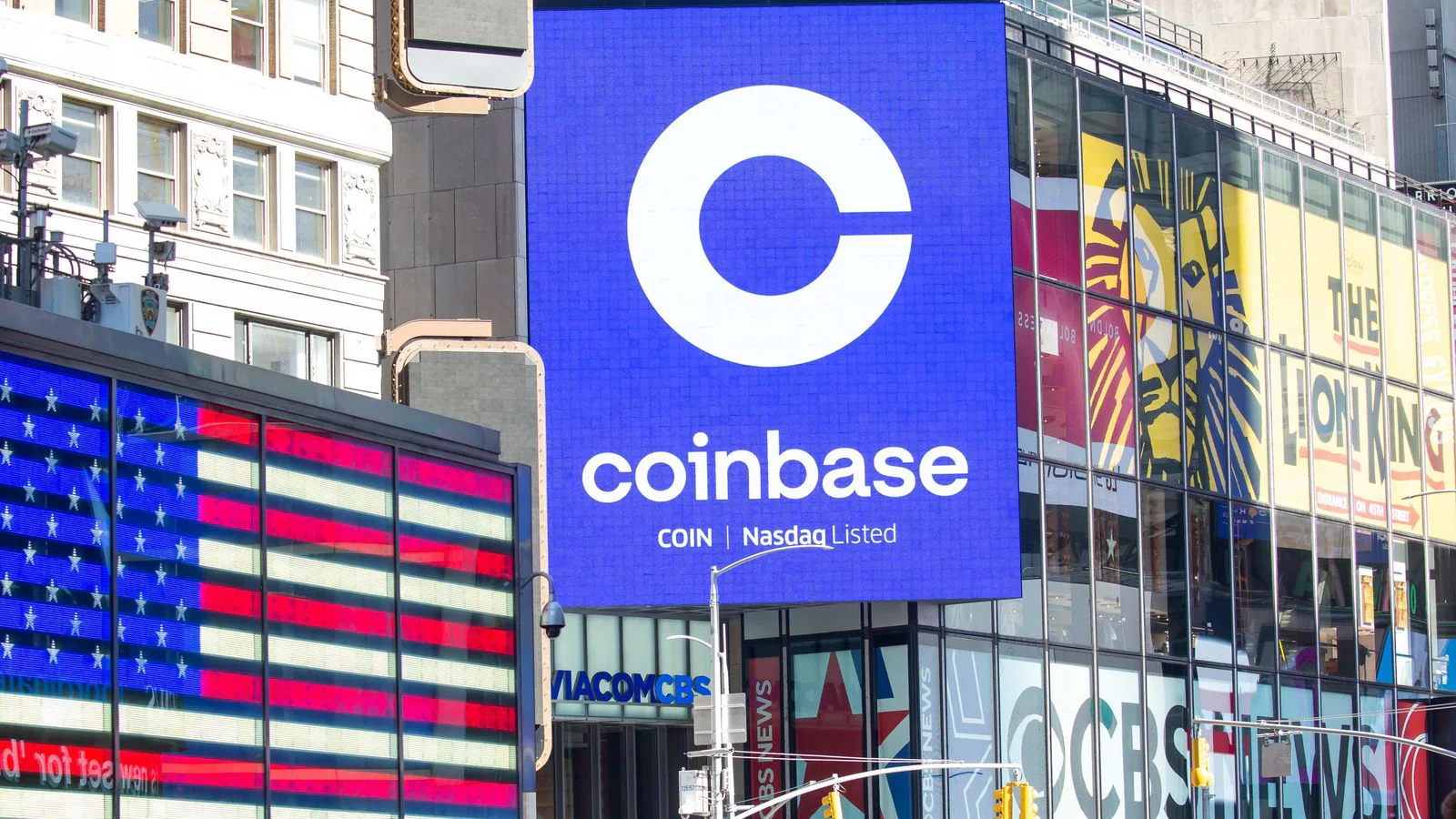
The latest earnings report landed with a predictable thud. Coinbase, a bellwether for the broader crypto market, posted its second consecutive quarterly loss. A net loss of $97 million in the second quarter, following a $79 million deficit in the first, underscores the brutal reality of the extended crypto winter. For founders and operators navigating their own challenging markets, Coinbase’s struggle offers a stark lesson in market cycles, diversification, and regulatory pressures.
Revenue plummeted to $708 million, a significant decline from the prior year’s boom. Transaction revenue, historically Coinbase's bread and butter, bore the brunt. Retail trading volume dropped precipitously, reflecting diminished investor interest and a flight from speculative assets. Institutional trading, while relatively more stable, could not offset the broader downturn.
The Crushing Grip of Crypto Winter
This isn't merely a Coinbase problem; it's an industry-wide reckoning. The company's fortunes are inextricably linked to the volatile gyrations of Bitcoin and Ethereum. When asset prices crater, trading volumes evaporate. When volumes disappear, a transaction-fee reliant business model, like Coinbase's, faces an existential threat.
The market capitalization of the entire crypto space has shed trillions since its peak. Investor confidence has been battered by high-profile collapses: FTX, Terra/Luna, Celsius, and BlockFi. These events have triggered a cascading fear, driving retail participants away from centralized exchanges and into a cautious holding pattern, or out of the market entirely.
Macroeconomic factors amplify the pain. Persistent inflation, aggressive interest rate hikes by central banks globally, and recessionary fears have pushed investors toward safer havens. Risk assets, including cryptocurrencies, are the first to be divested. This global economic uncertainty directly translates to reduced liquidity and speculative activity on platforms like Coinbase.
Beyond Transaction Fees: A Race to Diversify
Recognizing the inherent volatility of a transaction-centric model, Coinbase has long voiced ambitions to diversify its revenue streams. Staking services, Coinbase One subscriptions, and institutional prime brokerage offerings represent these efforts. Their growth, however, has been insufficient to stem the tide of declining trading revenue.
Subscription and services revenue, while showing modest growth, remains a smaller piece of the pie. Staking, particularly for Ethereum after its Merge, offers a promising avenue. However, the regulatory landscape surrounding staking services is increasingly fraught, casting a shadow over this vital diversification play. Institutions are also moving cautiously, awaiting clearer rules before fully committing capital.
The company's investment in Base, a Layer 2 blockchain built on Optimism's OP Stack, signifies a long-term bet on the decentralized future. While strategically sound, such initiatives require substantial investment today with uncertain returns far down the road. They are not immediate fixes for quarterly losses.
Navigating a Hostile Regulatory Environment
Perhaps the most significant headwind for Coinbase, and indeed the entire crypto industry in the West, is the relentless regulatory pressure. The U.S. Securities and Exchange Commission (SEC) has adopted an aggressive stance, repeatedly asserting that many cryptocurrencies are unregistered securities. This ambiguity creates immense operational and legal risk.
Coinbase faces an ongoing SEC lawsuit alleging unregistered securities offerings and operating as an unregistered exchange, broker, and clearing agency. This legal battle is costly and distracting. It also jeopardizes core aspects of its business, from listing new tokens to offering staking services.
The lack of a clear regulatory framework in the U.S. puts American crypto companies at a disadvantage compared to regions with more progressive approaches, like parts of the EU or certain Asian jurisdictions. Founders operating in this space must contend with the constant threat of enforcement actions, stifling innovation and expansion.
“Coinbase’s predicament is a microcosm of the entire centralized crypto exchange model. Relying heavily on speculative trading volumes was unsustainable in the long run. Their pivot towards staking and institutional services is correct, but regulatory clarity, particularly in the U.S., remains the single largest impediment to achieving profitability and stability. Without a predictable rulebook, even the strongest players will struggle to innovate and grow effectively.”
Dr. Evelyn Reed, Professor of Financial Technology, London School of Economics
Strategic Responses: Cuts and Commitments
In response to the prolonged downturn, Coinbase has implemented significant cost-cutting measures. Multiple rounds of layoffs have reduced its workforce substantially. Marketing spend has been rationalized, and less critical projects have been paused or scrapped. These are tough but necessary decisions for any operator facing a severe market contraction.
The challenge lies in balancing austerity with long-term strategic investments. Cutting too deeply can cripple future growth potential. Coinbase must continue to invest in product development, security, and compliance, even as it tightens its belt. The company’s commitment to international expansion, particularly in markets with more favorable regulatory regimes, is a testament to this strategic balancing act.
Its strategic emphasis on institutional clients, through Coinbase Prime and partnerships with traditional finance giants like BlackRock, signals a recognition that long-term stability may come from servicing large, less volatile capital. This segment demands bespoke solutions, robust compliance, and enterprise-grade security, areas where Coinbase has a competitive edge.
The Road Ahead: Patience and Perseverance
For founders and operators, Coinbase's journey provides several critical insights. First, market cycles are inevitable, and businesses must be resilient enough to weather downturns. Diversification is not merely a buzzword; it’s a survival strategy. Over-reliance on a single revenue stream, especially one tied to speculative behavior, introduces unacceptable risk.
Second, the regulatory environment is a foundational element of any industry. Ignoring or underestimating its impact is perilous. Proactive engagement with policymakers, clear communication of business models, and robust compliance frameworks are non-negotiable, particularly in nascent sectors like crypto.
Finally, the long-term vision must remain intact, even amidst short-term pain. Coinbase's continued investment in Base, its global expansion efforts, and its focus on institutional infrastructure demonstrate a commitment to the underlying promise of web3 technology. The path to profitability for crypto companies will likely be uneven and protracted.
The second consecutive quarterly loss is not merely a financial statement entry. It is a powerful signal about the state of the crypto market, the intense pressures on centralized exchanges, and the urgent need for strategic adaptation. Coinbase, with its scale and brand, is uniquely positioned to endure this winter. However, its continued struggle is a stark reminder that even industry leaders are not immune to profound market shifts and regulatory uncertainty.
KEY TAKEAWAYS
Persistent Crypto Winter Impact: Coinbase's consecutive losses directly reflect depressed crypto asset prices and significantly reduced trading volumes across retail and institutional segments.
Urgency of Diversification: Over-reliance on transaction fees has proven unsustainable. While efforts are underway, revenue from staking, subscriptions, and institutional services has not yet offset core declines.
Regulatory Headwinds are Paramount: The aggressive stance of U.S. regulators, particularly the SEC, creates immense legal and operational uncertainty, hindering innovation and growth for American-based crypto firms.
Balancing Cost Cuts with Strategic Investment: Coinbase is implementing strict cost controls through layoffs and project pauses while simultaneously making long-term bets on initiatives like Base and institutional infrastructure.
Global Landscape Matters: The fragmented global regulatory environment means companies must strategically navigate different jurisdictions for expansion, seeking regions with clearer, more favorable frameworks.