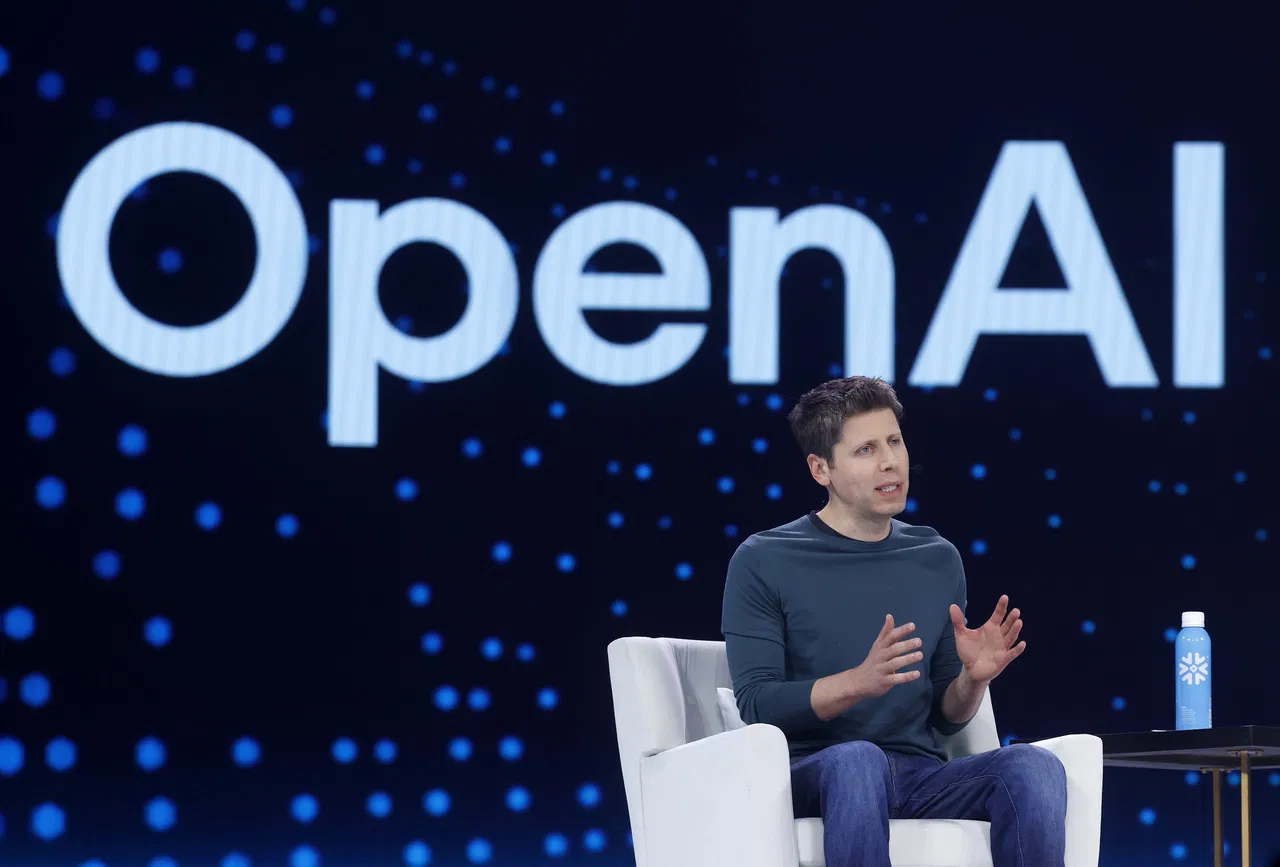
Sam Altman: ChatGPT Images 2.0 generated 1 billion AI images in India. OpenAI's major upgrade boosts visual creation.
India generated over one billion images using OpenAI's ChatGPT Images 2.0 tool — Sam Altman.
OpenAI released ChatGPT Images 2.0 as a major upgrade for visual creation — OpenAI.
The new image model offers improved text rendering and multilingual support — OpenAI.
ChatGPT Images 2.0 is the first OpenAI image model with "thinking capabilities" — OpenAI.
NEW DELHI — Indian users generated over one billion images using OpenAI's ChatGPT Images 2.0 tool, Chief Executive Sam Altman said.
Altman highlighted India’s growing use of the new image generation tool. He praised the creation volume in a social media post, he stated.
India continued to emerge as one of the most active markets for artificial intelligence tools, according to industry observers.
Users in India experimented with image generation for various purposes. These included portraits and social media content, sources indicated.
Creative edits and design ideas also formed part of the usage. Professional visuals were another application, according to reports.
OpenAI’s new image model, ChatGPT Images 2.0, was described as a significant advancement. The company detailed its capabilities upon release.
The model could take on complex visual tasks, OpenAI said. It also produced precise, immediately usable visuals, the company added.
Sharper editing capabilities were a key feature, according to OpenAI. Richer layouts were also possible with the new tool, the company explained.
The model incorporated "thinking-level intelligence," OpenAI stated. This represented an upgrade in its operational capacity.
OpenAI called the model a "new era of image generation." The company highlighted its enhanced features at the time of its launch.
Improved text rendering was a notable characteristic of the model. Multilingual support was also integrated, OpenAI indicated.
Stronger visual reasoning capabilities enhanced the model's performance. It aimed to deliver more accurate outputs, the company stated.
The model was designed to help users create more accurate images. It also produced more polished images, OpenAI explained.
This functionality extended across different formats and styles, the company added. Users could expect versatility in creation, according to OpenAI.
A video made with ChatGPT Images was shared by the company. It showcased a series of visuals, OpenAI revealed.
These visuals appeared strikingly realistic, the company stated. Many viewers might find them difficult to distinguish from real photographs, OpenAI suggested.
ChatGPT Images 2.0 was available to all ChatGPT and Codex users, OpenAI confirmed. Access required a specific process, the company detailed.
Users could visit the ChatGPT Images 2.0 page, OpenAI said. They then clicked on the “Try in ChatGPT” option, the company instructed.
A new page would open with several visual styles for inspiration, OpenAI explained. These styles offered diverse creative options.
Headshots were among the available styles. Comics and 3D avatars were also presented as options, OpenAI stated.
Anime was another style users could select, the company added. This provided a wide range for creative expression, according to OpenAI.
Users could select a style and upload an image they wished to refine. ChatGPT could then edit or recreate it, OpenAI specified.
The “Describe a New Image” option allowed users to generate fresh content. This functionality relied on a text prompt, OpenAI explained.
The model could search the web for real-time information. This enhanced its ability to provide accurate context, OpenAI said.
It could also create multiple distinct images from one prompt. This offered users greater variety, the company added.
The model was capable of double-checking its own outputs. This feature aimed to improve accuracy, OpenAI stated.
With "thinking capabilities," the model could take on more of the heavy lifting. This occurred between an idea and its final image, OpenAI explained.
Accuracy was a key focus for this advanced capability. Up-to-date information was also prioritized, the company noted.
Consistency in image generation was another benefit. Visual cohesion across outputs was also enhanced, OpenAI indicated.
Background
OpenAI released ChatGPT Images 2.0 as a new image generator. The company described it as a major upgrade in visual creation, sources indicated.
The model was designed to handle complex visual tasks, OpenAI stated. It aimed to produce precise and immediately usable visuals, the company added.
Key enhancements included sharper editing capabilities. Richer layouts were also a part of the upgrade, OpenAI explained.
The model featured "thinking-level intelligence," according to OpenAI. This advanced capability marked a significant improvement, the company said.
OpenAI dubbed the model a "new era of image generation." This reflected its perceived impact on the field of AI imaging, industry analysts noted.
The company highlighted improved text rendering as a core feature. Multilingual support was also integrated into the model, OpenAI confirmed.
Stronger visual reasoning capabilities contributed to its efficacy. These features allowed for more sophisticated image processing, the company added.
The model was crafted to assist users in creating accurate images. It also aimed for polished results across diverse formats, OpenAI stated.
The goal was to enhance the overall quality of AI-generated visuals. This applied to various styles and applications, the company explained.
OpenAI shared a video showcasing the model's capabilities. This "video made with ChatGPT Images" demonstrated its output, according to the company.
The visuals in the video appeared strikingly realistic. Many viewers might find them difficult to differentiate from actual photographs, OpenAI suggested.
This realism underscored the model's advanced generation quality. It aimed to blur the lines between AI and reality, industry experts observed.
The release positioned OpenAI at the forefront of image generation technology. It built upon previous iterations of their AI tools, analysts commented.
The company continued to invest in improving visual creation tools. This effort aimed to provide users with cutting-edge capabilities, OpenAI officials stated.
ChatGPT Images 2.0 represented a strategic advancement for OpenAI. It broadened the scope of their AI offerings, market reports indicated.
The model's development followed extensive research and testing. OpenAI aimed to deliver a robust and versatile tool, company statements showed.
Its features were designed to meet diverse user needs. These ranged from casual creation to professional applications, OpenAI confirmed.
Over one billion images created by users in India using ChatGPT Images 2.0 — Sam Altman.
What makes it different
OpenAI stated that ChatGPT Images 2.0 was its first image model with "thinking capabilities." This represented a significant technological leap, the company explained.
When a "thinking model" was selected in ChatGPT, Images 2.0 gained enhanced functions. These functions expanded its utility for complex tasks, OpenAI stated.
The model could search the web for real-time information, the company revealed. This allowed it to incorporate current data into image generation, OpenAI said.
It also possessed the ability to create multiple distinct images from a single prompt. This offered users a wider range of creative options, the company added.
Furthermore, the model could double-check its own outputs. This self-correction mechanism aimed to improve accuracy and reliability, OpenAI explained.
The "thinking" capability enabled the model to perform more extensive "heavy lifting." This reduced the effort required from users, the company stated.
The process from an initial idea to a final image became more streamlined. This was especially beneficial for intricate projects, OpenAI indicated.
Accuracy was a primary benefit derived from these advanced capabilities. The model aimed to produce highly precise visuals, the company confirmed.
Up-to-date information could be integrated seamlessly. This ensured that generated images reflected current knowledge, OpenAI added.
Consistency across multiple generated images was also improved. This helped maintain a unified aesthetic in projects, the company stated.
Visual cohesion was another enhanced aspect. Images generated would better align with a desired theme or style, OpenAI explained.
These capabilities were crucial for tasks demanding high precision. They supported applications where factual correctness was paramount, the company noted.
The integration of web search allowed the model to reference external data. This made its outputs more informed and relevant, OpenAI said.
The ability to generate varied outputs from one prompt catered to diverse creative needs. Users could explore different visual interpretations, the company added.
Self-correction minimized errors and inconsistencies. This contributed to a higher quality of final images, OpenAI specified.
This advanced architecture differentiated ChatGPT Images 2.0 from previous models. It set a new standard for AI image generation, industry experts observed.
OpenAI's focus on "thinking capabilities" aimed to push the boundaries of AI. It sought to create more intelligent and autonomous tools, company statements showed.
The model's design supported complex creative workflows. It enabled users to achieve sophisticated visual results with greater ease, OpenAI indicated.
This innovation underscored OpenAI's commitment to leadership in AI development. It aimed to deliver tools that redefined creative possibilities, analysts suggested.
The "thinking" aspect moved beyond simple image generation. It entered into areas of reasoning and contextual understanding, experts noted.
This marked a significant step towards more generalized artificial intelligence. It integrated cognitive functions into visual tasks, researchers concluded.
ChatGPT Images 2.0 is the first OpenAI image model with "thinking capabilities" — OpenAI.
What's next
OpenAI will likely continue to refine the "thinking capabilities" of its image models. Further enhancements could focus on deeper contextual understanding, industry analysts suggested.
The company may explore expanding the model's integration with other AI tools. This could create more comprehensive creative suites, market observers noted.
Future updates might introduce more specialized visual styles. These could cater to niche professional markets, according to expert predictions.
OpenAI is expected to monitor user feedback from active markets like India. This data will inform future iterations and improvements, company sources indicated.
The widespread adoption in India could lead to localized feature development. This would address specific regional creative demands, analysts speculated.
Continued efforts will aim to improve the model's accuracy and realism further. The goal is to make AI-generated images indistinguishable from real ones, OpenAI statements implied.
Research into ethical AI use in image generation will also remain a priority. OpenAI is committed to responsible deployment of its technologies, the company said.
The evolution of "thinking capabilities" could lead to more autonomous design processes. This would allow the AI to proactively suggest and refine ideas, researchers explained.
OpenAI's long-term vision includes developing AI that can understand and execute complex creative briefs. This would transform various industries, industry leaders suggested.
The company may also focus on making these advanced tools more accessible. This could involve simplified interfaces for broader user adoption, market reports indicated.
Partnerships with creative professionals and industries could accelerate development. These collaborations would ensure practical applications, analysts noted.
The future direction points towards AI models that are not just generators but creative collaborators. They would assist users through entire design cycles, experts concluded.
Frequently asked questions
How many AI images did India generate using ChatGPT Images 2.0?
India generated over 1 billion images using OpenAI's ChatGPT Images 2.0 tool, as announced by Sam Altman. This marks a significant milestone in AI-powered visual creation globally.
What is ChatGPT Images 2.0?
ChatGPT Images 2.0 is a major upgrade to OpenAI's visual creation tool, offering enhanced capabilities for generating images from text prompts.
What are the new features of ChatGPT Images 2.0?
The new image model features improved text rendering, multilingual support, and "thinking capabilities," making it more versatile and powerful.
Who announced the milestone for ChatGPT Images 2.0?
Sam Altman, CEO of OpenAI, announced that ChatGPT Images 2.0 had surpassed 1 billion AI images generated in India.
Why is India a significant market for ChatGPT Images 2.0?
India's generation of over 1 billion AI images highlights its rapid adoption of advanced AI tools and its growing influence in the global tech landscape.
Does ChatGPT Images 2.0 have "thinking capabilities"?
Yes, ChatGPT Images 2.0 is described as the first OpenAI image model with "thinking capabilities," enhancing its ability to understand and create complex visuals.