Tech titan's high-stakes legal battle against AI giant OpenAI and its co-founders ends on procedural technicality.
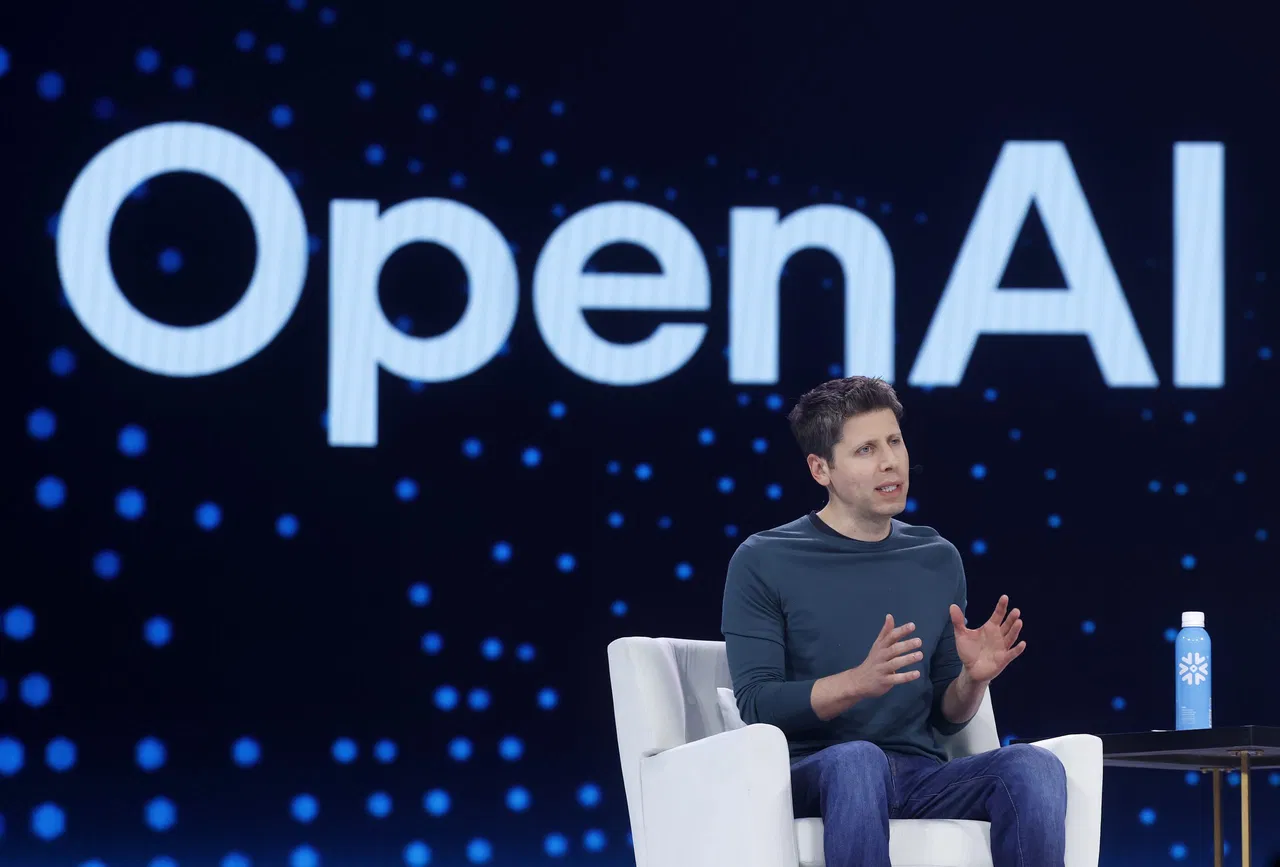
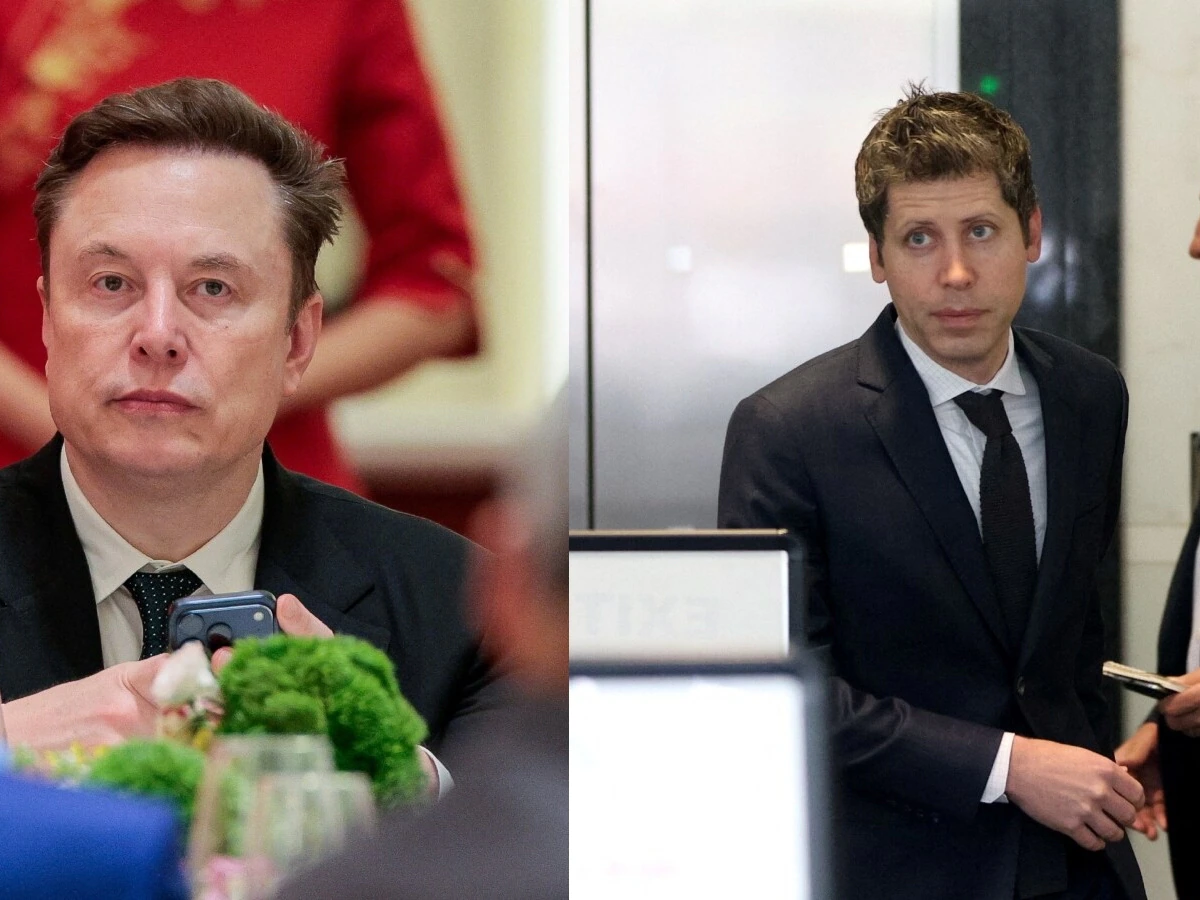
A high-stakes legal battle involving tech titan Elon Musk and the artificial intelligence powerhouse OpenAI, along with its co-founders Sam Altman and Greg Brockman, concluded not with a sweeping judgment on the merits of his claims, but on a procedural technicality. A California jury delivered a unanimous verdict, finding that Musk’s extensive lawsuit, which accused OpenAI and its leadership of “stealing a charity” to establish a for-profit entity, had simply been filed too late.
This outcome underscores a fundamental aspect of legal proceedings: even the most dramatic and high-profile disputes can hinge on narrow questions of law rather than the broader narratives of betrayal or misconduct. For a trial that delved deeply into the “melodramatic history” of OpenAI and featured testimony from “leading figures in Silicon Valley,” its ultimate resolution was determined by the precise timing of when alleged harms occurred, rather than the veracity of those harms themselves.
Musk’s central accusation posited that the creation of a for-profit affiliate of the frontier AI lab deviated from OpenAI’s initial charitable mission, thereby constituting a breach of trust and a personal injury to him as a co-founder and early benefactor. His legal team argued that Altman, Brockman, OpenAI, and Microsoft, which was also named for allegedly aiding and abetting the breach, had effectively enriched themselves at his expense and contrary to the original spirit of the venture. However, the nine California jurors were ultimately persuaded by the defendants’ statute of limitations defense.
The statute of limitations is a legal principle that sets a maximum time after an event within which legal proceedings may be initiated. Its purpose is to ensure fairness by preventing overly stale claims from being litigated, recognizing that evidence may be lost, memories may fade, and defendants should not face perpetual threat of suit. In this particular case, OpenAI successfully argued that any alleged harms Musk sought to litigate had taken place before specific legal deadlines. These deadlines varied by the specific charge: before August 5, 2021, for the first count; August 5, 2022, for the second count; and November 14, 2021, for the third count. The jury found this argument compelling, leading to a notably short deliberation period.
Judge Yvonne Gonzalez Rogers, presiding over the case, affirmed the jury’s decision, noting the strength of the evidence presented. “There was a substantial amount of evidence to support the jury’s finding, which is why I was prepared to dismiss on the spot,” she stated after the verdict was delivered. This judicial endorsement further solidified the procedural grounds for the dismissal, highlighting that the evidence regarding the timing of the alleged harms was robust enough to warrant a quick resolution.
The immediate implications of this verdict are significant for OpenAI. The dismissal effectively removes “one major threat” to the company, specifically “a possible restructuring,” which had loomed over its operations. This legal clarity comes at a crucial juncture for OpenAI, as it reportedly prepares for an initial public offering (IPO). The absence of a major lawsuit and the potential for forced restructuring provides a more stable outlook for investors and stakeholders as the company navigates its path toward public markets.
OpenAI’s lead attorney, Bill Savitt, minced no words in his reaction to the verdict, articulating a strong defense of his clients and a sharp critique of Musk’s lawsuit. “It did not take [the jury] two hours to conclude … that Mr. Musk’s lawsuit is nothing more than an after-the-fact contrivance that bears no relationship to reality,” Savitt declared. He further characterized the lawsuit as “a hypocritical attempt to sabotage a competitor,” suggesting that Musk’s motivations were rooted in competitive dynamics rather than genuine charitable concern. Savitt’s comments underscore the intense rivalry and high stakes within the rapidly evolving artificial intelligence landscape.
Microsoft, a key partner and investor in OpenAI, and a defendant in Musk’s lawsuit for allegedly “aiding and abetting OpenAI’s alleged breach of charitable trust,” welcomed the verdict. A spokesperson for the technology giant reaffirmed the company’s commitment, stating that it “remained committed to our work with OpenAI to advance and scale AI for people and organizations around the world.” This statement reinforces the strategic alliance between Microsoft and OpenAI, which has become a cornerstone of Microsoft’s AI strategy.
Adding another layer of intrigue, the verdict was delivered in the midst of a hearing focused on determining the potential damages Musk could have been awarded had the case gone in his favor. While that discussion is now moot, the proceedings offered a glimpse into the significant financial figures at play and the judge’s skepticism regarding their calculation. Musk’s legal team, through expert testimony from Dr. C. Paul Wazzan, had estimated OpenAI and Microsoft’s “wrongful gains” at Musk’s expense to be an staggering sum ranging from $78.8 billion to $135 billion. Judge Rogers openly questioned the methodology behind these figures, telling Dr. Wazzan, “Your analysis seems to be devoid of connection to the underlying facts,” indicating a fundamental disconnect between the charitable contribution Musk claimed and the for-profit investment analogy his lawyers drew.
Key Takeaways from the Elon Musk vs. OpenAI Verdict
Elon Musk's lawsuit against OpenAI and its co-founders was dismissed on procedural grounds, specifically the statute of limitations.
The jury found that any alleged harms Musk suffered occurred before the legal deadlines for filing his claims.
The verdict removes a major threat of restructuring for OpenAI, particularly significant ahead of its reported IPO.
OpenAI's lead attorney characterized Musk's lawsuit as an "after-the-fact contrivance" and a "hypocritical attempt to sabotage a competitor."
Musk has announced his intention to appeal the decision to the Ninth Circuit, framing the dismissal as a moral victory and raising concerns about precedents for charitable giving.
Despite the procedural nature of the dismissal, Elon Musk swiftly reacted to the ruling via a tweet, portraying the outcome as a moral victory rather than a defeat. He asserted, “There is no question to anyone following the case in detail that Altman & Brockman did in fact enrich themselves by stealing a charity. The only question is WHEN they did it!” This statement indicates that, in Musk’s view, the core accusation of his lawsuit remains unaddressed by the court’s decision, which focused solely on the timeliness of the filing. His public stance suggests a continued belief in the validity of his underlying claims, irrespective of the legal technicality that led to the dismissal.
Musk’s tweet also explicitly outlined his next course of action: an appeal. “I will be filing an appeal with the Ninth Circuit, because creating a precedent to loot charities is incredibly destructive to charitable giving in America,” he declared. This indicates his intention to elevate the case to a higher judicial body, framing his continued legal pursuit not merely as a personal grievance but as a broader effort to protect the integrity of charitable endeavors. His legal counsel, Marc Toberoff, echoed this sentiment with a succinct, defiant response when reached for comment: “One word: Appeal.” This firm resolve suggests the legal saga between Musk and OpenAI is far from over, despite the jury’s verdict.
The dispute traces back to OpenAI's foundational principles. Initially conceived as a non-profit entity dedicated to developing artificial intelligence for the benefit of humanity, the organization later evolved to include a “for-profit affiliate.” This structural change, which allowed for significant investment and the commercialization of its advanced AI models, formed the crux of Musk’s contention. He argued that this shift fundamentally betrayed the original agreement and purpose, transforming a public good into a private enterprise that enriched its founders and investors, including Microsoft. The trial, therefore, was not just about broken promises but also about the philosophical and practical implications of an AI lab transitioning from a purely charitable model to one that seeks substantial financial returns.
The legal strategy employed by OpenAI, centered on the statute of limitations, proved decisive. This defense mechanism, which often appears purely procedural, nonetheless plays a critical role in the legal system by providing finality to disputes. It required the jury to assess when Musk became aware, or reasonably should have become aware, of the alleged breaches of promise and the establishment of the for-profit entity. The jury’s finding that these events occurred prior to the specific dates in 2021 and 2022 established by law meant that, regardless of the merits of Musk’s claims, they could no longer be pursued in court. This highlights the importance of timely legal action, especially in fast-moving industries like AI where corporate structures and strategic directions can evolve rapidly.
The broader implications of this case extend beyond the immediate parties, offering insights into the complexities of founding agreements and the evolving nature of highly disruptive technologies. As AI development continues at an unprecedented pace, disputes over intellectual property, corporate governance, and ethical mandates are likely to become more common. This verdict, while procedurally driven, sets a precedent regarding the temporal boundaries for challenging such evolutions. It underscores the necessity for founders and early contributors to formalize agreements and monitor organizational changes diligently, as delays in asserting rights can lead to the forfeiture of legal recourse.
The monumental sums discussed during the damages hearing, even though ultimately irrelevant to the verdict, served to highlight the immense value creation within the AI sector. The estimated “wrongful gains” ranging from $78.8 billion to $135 billion underscore the exponential growth and market valuation of frontier AI companies. The judge’s skepticism about the calculation method also points to the inherent difficulty in valuing intangible contributions and the profits derived from rapidly developing technologies, particularly when attempting to equate charitable contributions with for-profit investments.
As Elon Musk prepares his appeal to the Ninth Circuit, the legal battle is set to continue, potentially delving deeper into the intricate relationship between charitable intent and commercial success in the realm of advanced technology. His stated motivation to prevent the “looting of charities” suggests that the appeal will seek to address the substantive issues he believes were sidestepped by the statute of limitations defense. The outcome of this appeal could have significant ramifications for the governance of AI organizations and the legal framework surrounding founder disputes in high-growth, high-impact industries globally.
Timeline of Key Dates in the Lawsuit:
First Count Statute of Limitations: Before August 5, 2021
Second Count Statute of Limitations: Before August 5, 2022
Third Count Statute of Limitations: Before November 14, 2021
Estimated Wrongful Gains (Musk's lawyers): $78.8 billion to $135 billion
Frequently asked questions
What was the outcome of Elon Musk's lawsuit against OpenAI?
Elon Musk lost his lawsuit against OpenAI and its co-founders, Sam Altman and Greg Brockman. The case was dismissed based on a procedural technicality, not a judgment on the merits of his claims.
Who did Elon Musk sue?
Elon Musk sued OpenAI, its CEO Sam Altman, and co-founder Greg Brockman. His lawsuit alleged breaches of contractual agreements and fiduciary duty related to OpenAI's founding mission.
What was the reason for Musk losing the lawsuit?
Elon Musk lost his lawsuit against OpenAI due to a procedural technicality. A California jury delivered a unanimous verdict that concluded the case without addressing the merits of his extensive claims.
Was the verdict unanimous in the Elon Musk vs. OpenAI case?
Yes, a California jury delivered a unanimous verdict in the case, finding that Elon Musk's lawsuit concluded on a procedural technicality.
What was the core of Elon Musk's claims against OpenAI?
Musk's lawsuit accused OpenAI and its leadership of straying from its original non-profit, open-source mission. He alleged breaches of contract and fiduciary duty, claiming the company prioritized profit over its founding principles.
Where was the lawsuit concluded?
The lawsuit involving Elon Musk, OpenAI, and its co-founders was concluded in California, where a jury delivered the unanimous verdict.