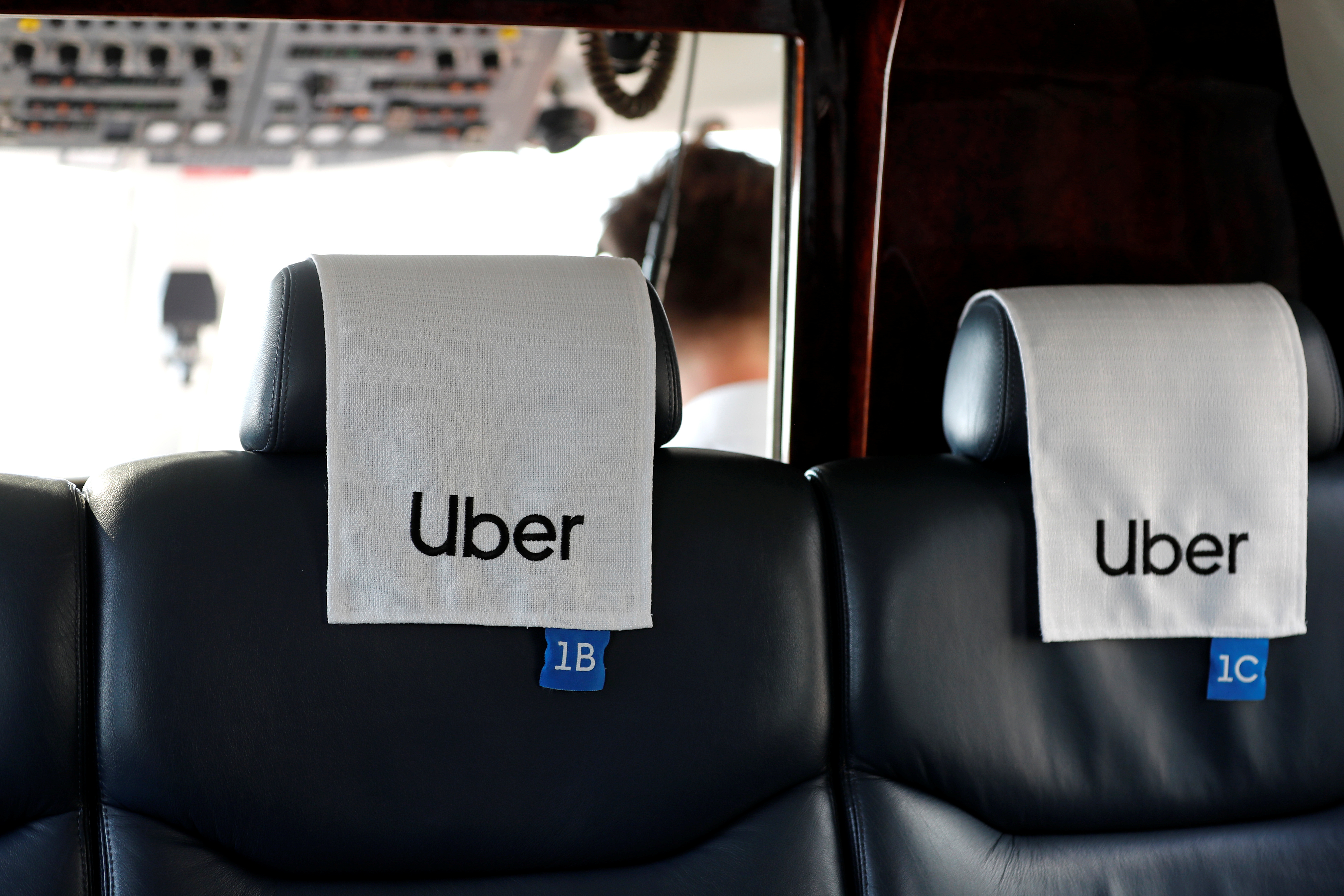
The FT calculated that Uber has committed more than $10 billion to buying autonomous vehicles and taking equity stakes in the companies developing the technology, according to public records and discussions with people behind the scenes. About $2.5 billion of that is in direct investments, with the remaining $7.5 billion earmarked to be spent on buying robotaxis over the next few years. Yahoo Finance
Ten billion dollars. For a company that spent years telling Wall Street that its genius was connecting supply and demand without ever touching a car, that number represents a philosophical pivot as much as a financial one.
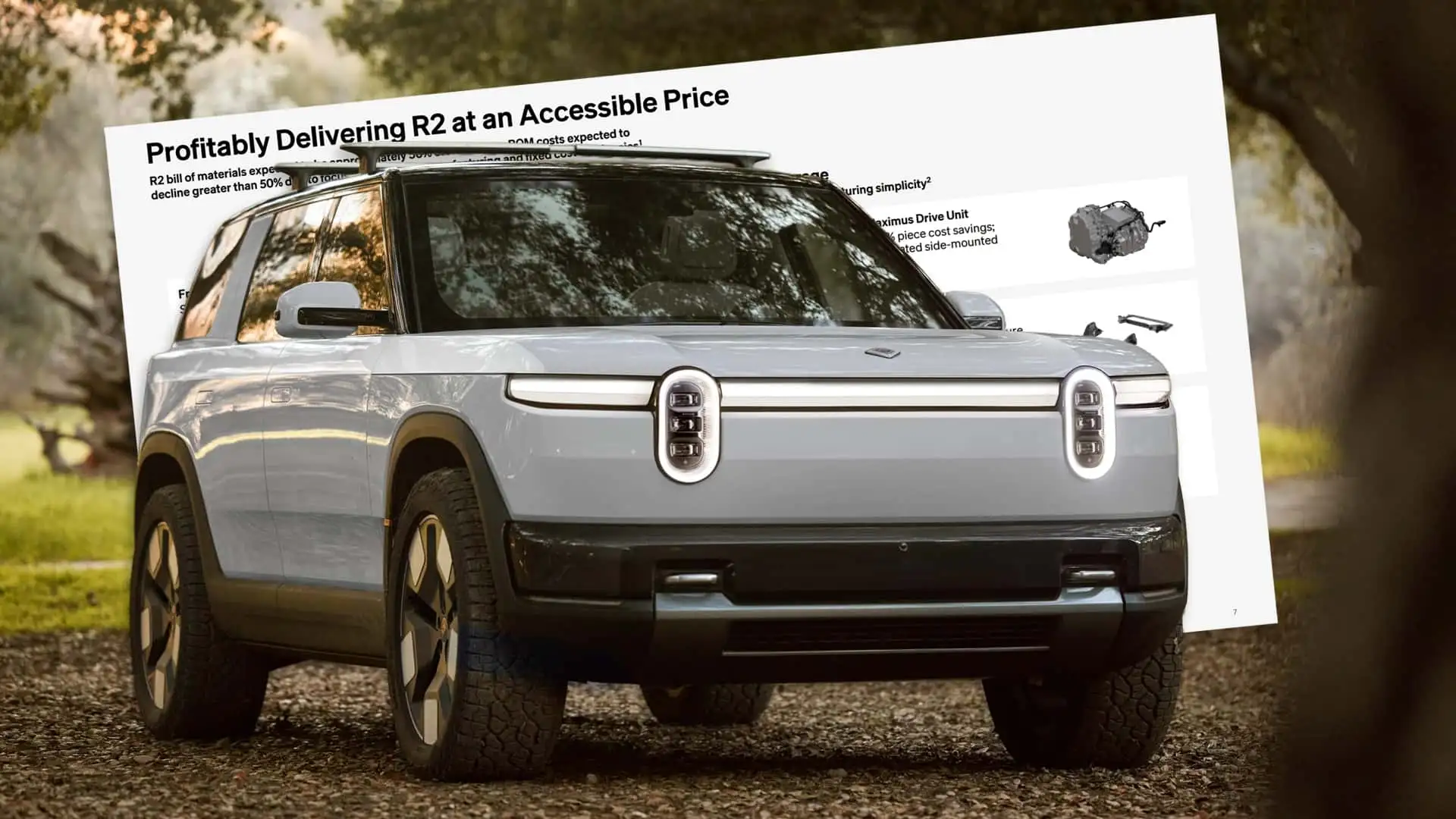
Uber's investments span drones, robotaxis, and freight, and include stakes in WeRide, Lucid and Nuro, Rivian, and Wayve. Yahoo Finance These aren't passive bets either. The Rivian deal alone is worth up to $1.25 billion, and the Wayve partnership brings one of the UK's most ambitious autonomous driving programs into Uber's orbit. The strategy is increasingly clear: Uber doesn't need to build the AI that drives the cars. It just needs to own enough of the cars — and the companies making them — to sit at the center of whatever autonomous mobility looks like in five years.
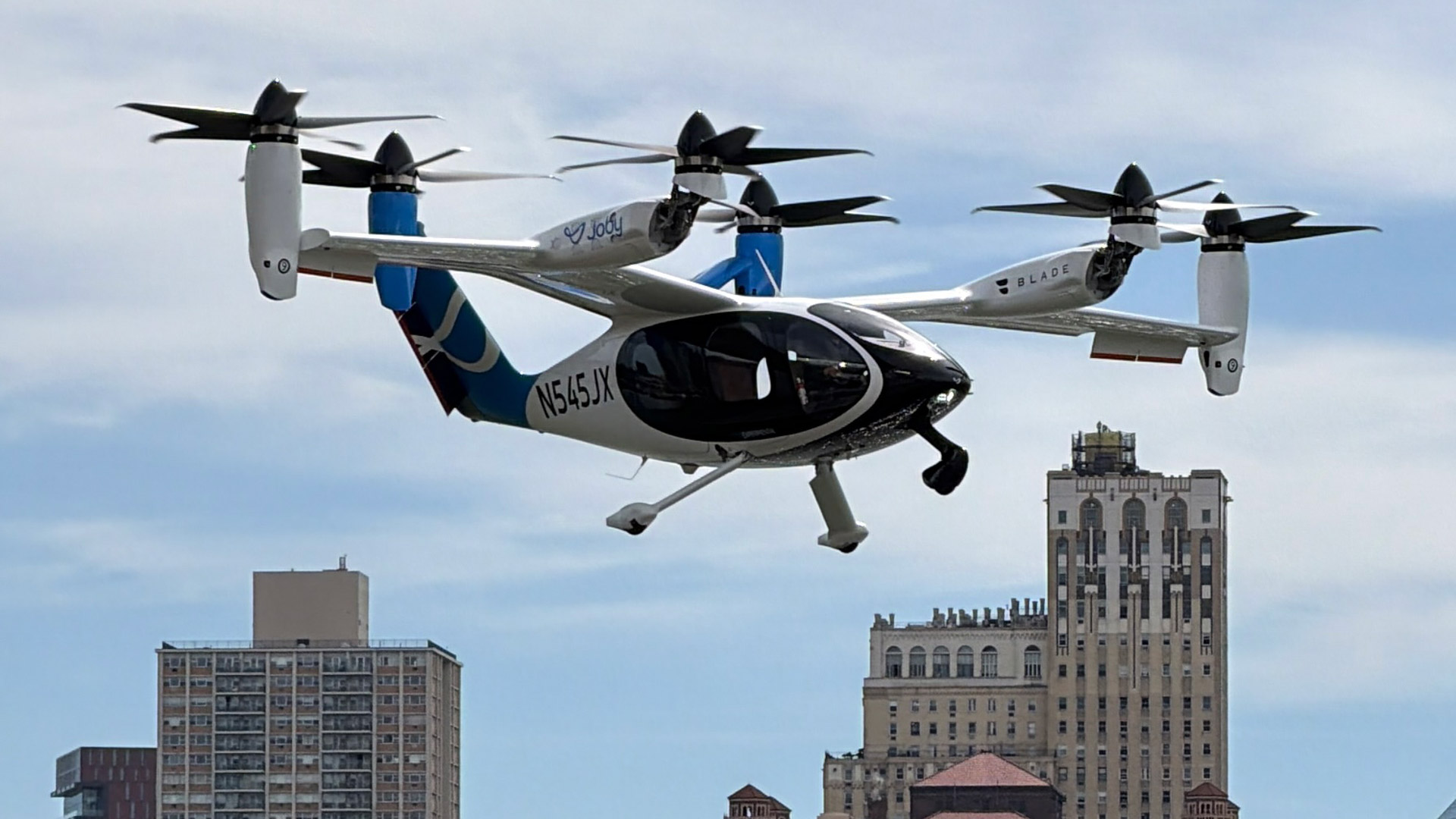
This is actually familiar territory for Uber, even if it feels new. Between 2015 and 2018, Uber went on a moonshot spree — launching electric air taxi developer Uber Elevate, building the in-house autonomous vehicle unit Uber ATG (boosted by its acquisition of Otto in 2016), and snapping up micromobility startup Jump in 2018. Yahoo Finance It was a brief, chaotic, enormously expensive flirtation with being a deep-tech company. Then in 2020, the bill came due. Uber pulled the asset-heavy rip cord — selling Uber ATG to Aurora, Jump to Lime, and Elevate to Joby Aviation — though it kept equity stakes in all three on the way out. Yahoo Finance
The difference between that era and this one is important. Last time, Uber was trying to build the technology itself. This time, it has no intention of doing that. It's not plunking down billions to develop the technology in-house. Instead, it appears to be focused on owning — or perhaps leasing — the physical assets. Yahoo Finance Buy the cars, let someone else worry about the software stack, and make sure the Uber app is the surface through which riders hail every autonomous vehicle that hits the road. It's a remarkably pragmatic bet for a company that once dreamed of being the operating system of transportation.
Former CEO Travis Kalanick, for his part, has been characteristically blunt about how he sees the original abandonment of in-house AV development. He has said the company made a mistake when it sold off its autonomous vehicle program Yahoo Finance — a view that reads differently now that Waymo is operating profitable robotaxi services in multiple US cities and every major automaker is racing to catch up. Whether Uber's current approach — owning fleets built by others rather than building in-house — gets it to the same destination is the multi-billion-dollar question.
Elsewhere in the mobility world, the week produced a string of deals that collectively paint a picture of an industry moving fast and writing large checks. Slate, the electric vehicle startup backed by Jeff Bezos, raised another $650 million in a Series C led by TWG Global — the firm run by Guggenheim Partners CEO Mark Walter and investor Thomas Tull — as it prepares to put its first affordable pickup trucks into production by the end of 2026. The round brings Slate's total funding to approximately $1.4 billion. Yahoo Finance
Glydways, a San Francisco-based startup developing personal autonomous pods designed to operate on dedicated two-meter-wide city lanes, raised $170 million in a Series C co-led by Suzuki Motor Corporation, ACS Group, and Khosla Ventures. Yahoo Finance The concept — small, autonomous, track-based pods running inside cities rather than competing with street traffic — is one of the more unconventional bets in urban mobility right now, and the Japanese industrial backing gives it a credibility boost in markets where mass transit integration matters.
Loop, a San Francisco-based supply chain AI startup, raised $95 million in a Series C led by Valor Equity Partners and the Valor Atreides AI Fund, with participation from 8VC, Founders Fund, Index Ventures, and J.P. Morgan's late-stage fund. Yahoo Finance Supply chain AI has quietly become one of the most competitive corners of enterprise software, and a backing roster that includes Founders Fund and Index in the same round signals serious conviction.
Not every story was a fundraise. Monarch Tractor, the startup building electric autonomous tractors, saw its assets acquired by Caterpillar after struggling to pivot to a software services business model. Yahoo Finance It's a reminder that the hardware-first path in autonomous vehicles and robotics is brutal even for well-funded companies — and that pivoting to software mid-journey rarely goes the way founders hope.
On the regulatory frontier, Waymo began testing its autonomous vehicles on public roads in London Yahoo Finance — a significant geographic expansion for the Alphabet-owned company, which has also removed its waitlist in Miami and Orlando to scale robotaxi operations in both cities. Waymo continues to operate at a different cadence from everyone else in the sector: methodical, city-by-city, no drama.
There's also a stealth startup worth watching. A seed round announcement is reportedly imminent for a San Francisco-based company working on a cabless autonomous hauler — a truck without a driver's cab, similar in concept to what Einride has built in Europe. The founding team includes a veteran of Uber ATG, Pronto, and Waabi, and the company is backed by Eclipse, the venture firm that just closed a $1.3 billion fund focused on physical AI startups. Yahoo Finance In a segment where pedigree matters enormously, that résumé will get people's attention fast.
Taken together, what this week's mobility news describes is an industry entering a new kind of maturity — one where the technology debates are largely settled, the regulatory ice is slowly thawing, and the real competition is shifting to who controls the physical infrastructure. Uber clearly read that memo. Spending $10 billion to own the fleet rather than the tech is either the smartest capital allocation in mobility right now, or a very expensive hedge. Given how the last decade of autonomous vehicle promises has played out, both interpretations are defensible.