A Shift Toward Affordable Electric Mobility
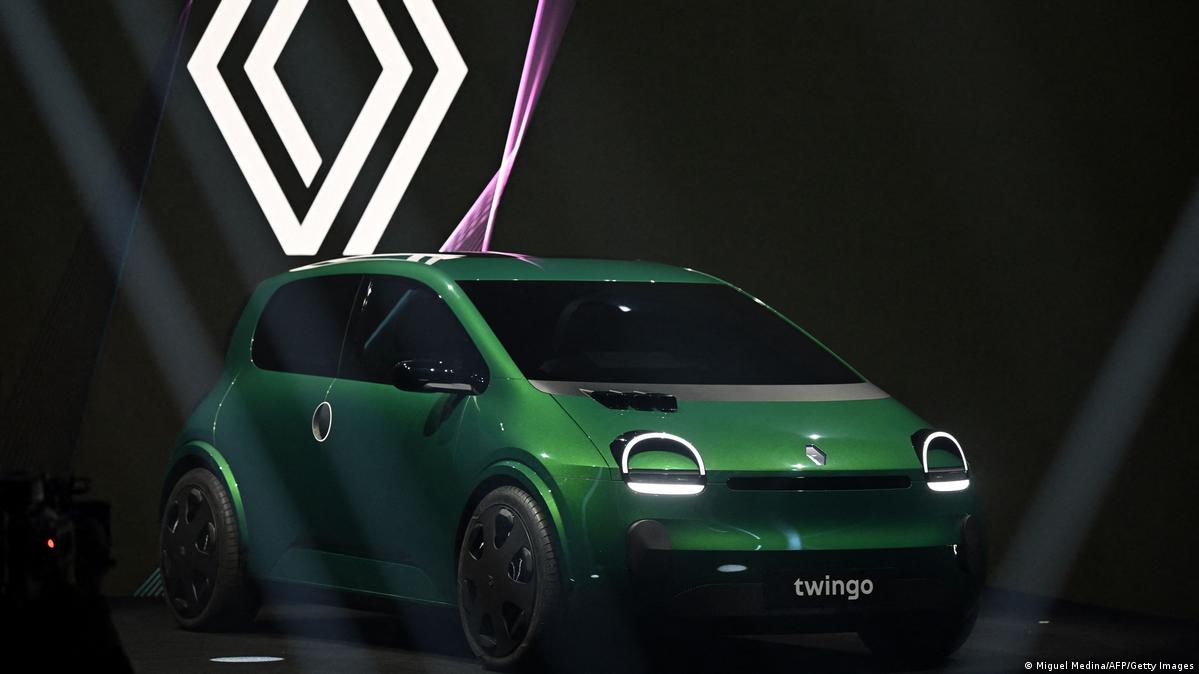
Renault’s new EV reflects a growing industry focus on affordability. While early electric vehicles were largely positioned as premium offerings, automakers are now prioritizing cost-effective models to drive mass adoption.
This shift highlights a key trend in the global market, where companies are competing not just on technology but also on accessibility. Lower pricing, combined with improved battery efficiency, is becoming essential to attract a broader customer base.
Software-Driven Vehicles Take Center Stage
Modern EVs are no longer just about engines and batteries—they are increasingly defined by software. Renault’s latest model emphasizes connected features, over-the-air updates, and digital interfaces, underscoring the industry’s transition toward software-defined vehicles.
This transformation is pushing automakers to invest heavily in technology capabilities, often partnering with software companies or building in-house expertise to stay competitive.
Global Competition Intensifies
Renault’s EV also highlights the intensifying competition in the electric vehicle space. Automakers across regions—from Europe and the United States to China—are racing to capture market share.
Established players are facing pressure from new entrants and EV-first companies that are innovating rapidly. This competitive environment is accelerating product development cycles and forcing companies to differentiate through design, performance, and ecosystem integration.
Supply Chain and Battery Strategy
Another key takeaway from Renault’s EV strategy is the importance of supply chain resilience. Battery sourcing, component availability, and manufacturing efficiency have become critical factors in determining success.
Automakers are increasingly investing in localized production and strategic partnerships to reduce dependency on global supply chains and manage costs more effectively.
Sustainability as a Core Focus
Sustainability is no longer a secondary consideration in the automotive industry. Renault’s EV reflects a broader commitment to reducing carbon emissions, not just through electric powertrains but also through sustainable materials and production processes.
This aligns with stricter global regulations and growing consumer demand for environmentally responsible products.
Changing Consumer Expectations
The new EV also illustrates how consumer expectations are evolving. Buyers are looking for vehicles that offer not just performance and efficiency but also connectivity, convenience, and a seamless digital experience.
This shift is redefining what it means to own a car, turning vehicles into integrated lifestyle products rather than standalone machines.
Implications for the Global Auto Industry
Renault’s latest move provides a snapshot of where the global auto industry is headed. Electrification is becoming mainstream, software is emerging as a key differentiator, and affordability is critical for scale.
At the same time, competition is intensifying, and companies must navigate complex supply chains while meeting sustainability goals.
Future Outlook
As the transition to electric mobility accelerates, automakers will need to continuously innovate to remain relevant. Renault’s new EV signals a future where success will depend on a combination of technology, cost efficiency, and user experience.
The companies that can effectively balance these factors are likely to lead the next phase of the automotive revolution.
Conclusion
Renault’s new EV is more than just a product launch—it is a reflection of the broader transformation taking place across the global automotive industry.
From affordability and software integration to sustainability and competition, the trends highlighted by this launch offer valuable insights into how the future of mobility is being shaped.