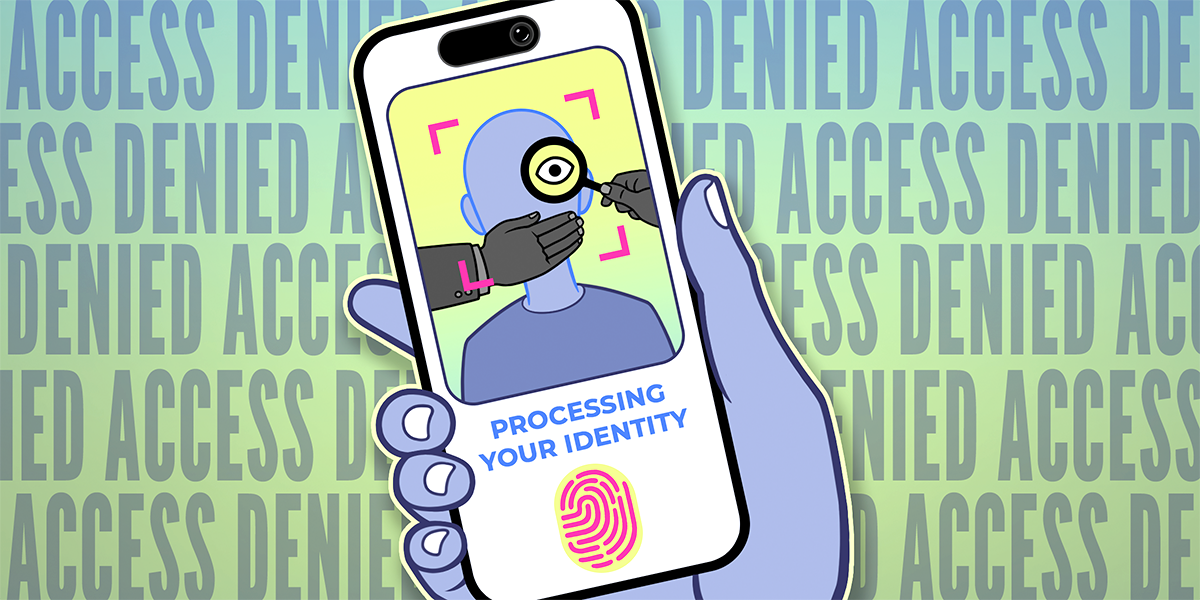
The debate highlights a growing tension between online safety objectives and foundational internet freedoms.
The push for stronger safeguards
Supporters of age verification laws argue that existing safeguards are insufficient to shield children from harmful content. Several states have passed or proposed measures requiring platforms to:
• Verify users’ ages through government-issued ID
• Implement parental consent mechanisms
• Restrict certain features for minors
• Limit algorithmic targeting of young users
Proponents frame these rules as extensions of long-standing child protection policies into the digital realm.
The legislation reflects rising bipartisan concern over social media’s mental health impact and exposure to explicit material.
Privacy risks and data security fears
Critics contend that mandatory ID-based verification introduces new vulnerabilities.
Digital rights advocates warn that requiring users to upload government identification or biometric data creates centralized repositories of sensitive information that could be targeted by hackers.
Key concerns include:
• Data breaches exposing personal information
• Increased surveillance capabilities
• Reduced anonymity online
• Potential misuse of identity databases
Privacy groups argue that age checks may unintentionally create larger risks than the harms they aim to prevent.
Free speech implications
Beyond privacy, constitutional scholars have questioned whether certain laws may infringe on First Amendment protections.
Requiring age verification to access lawful content, critics argue, could create a chilling effect — discouraging adults from viewing or engaging with constitutionally protected material due to privacy fears.
Courts have historically scrutinized laws that restrict access to lawful speech, particularly when less restrictive alternatives may exist.
Legal challenges are already emerging in some jurisdictions, setting up potential court battles that could shape the national framework.
Tech industry response
Technology companies have expressed concerns about operational complexity and inconsistent state rules.
With multiple states pursuing different approaches, platforms may face fragmented compliance requirements — raising costs and complicating nationwide operations.
Companies are exploring alternatives such as:
• Device-level age controls
• Third-party age assurance providers
• Encrypted credential systems
• AI-driven content moderation filters
However, none fully resolve the tension between privacy and verification.
A global policy trend
The U.S. is not alone in pursuing stricter age controls. Governments in Europe and Asia are also experimenting with digital identity verification tied to online access.
This reflects a broader regulatory shift: policymakers increasingly view online platforms as environments requiring the same guardrails applied to physical spaces.
Yet the decentralized and borderless nature of the internet complicates enforcement.
What comes next
As implementation timelines approach, the debate is likely to intensify.
Courts will play a pivotal role in determining whether specific statutes withstand constitutional scrutiny. At the same time, technologists may be forced to develop privacy-preserving age verification methods that satisfy regulators without expanding surveillance risks.
The broader question remains unresolved: how to protect children online without undermining the open architecture that has defined the internet.
The current wave of legislation suggests the balance between safety and privacy is entering a new, contested phase.