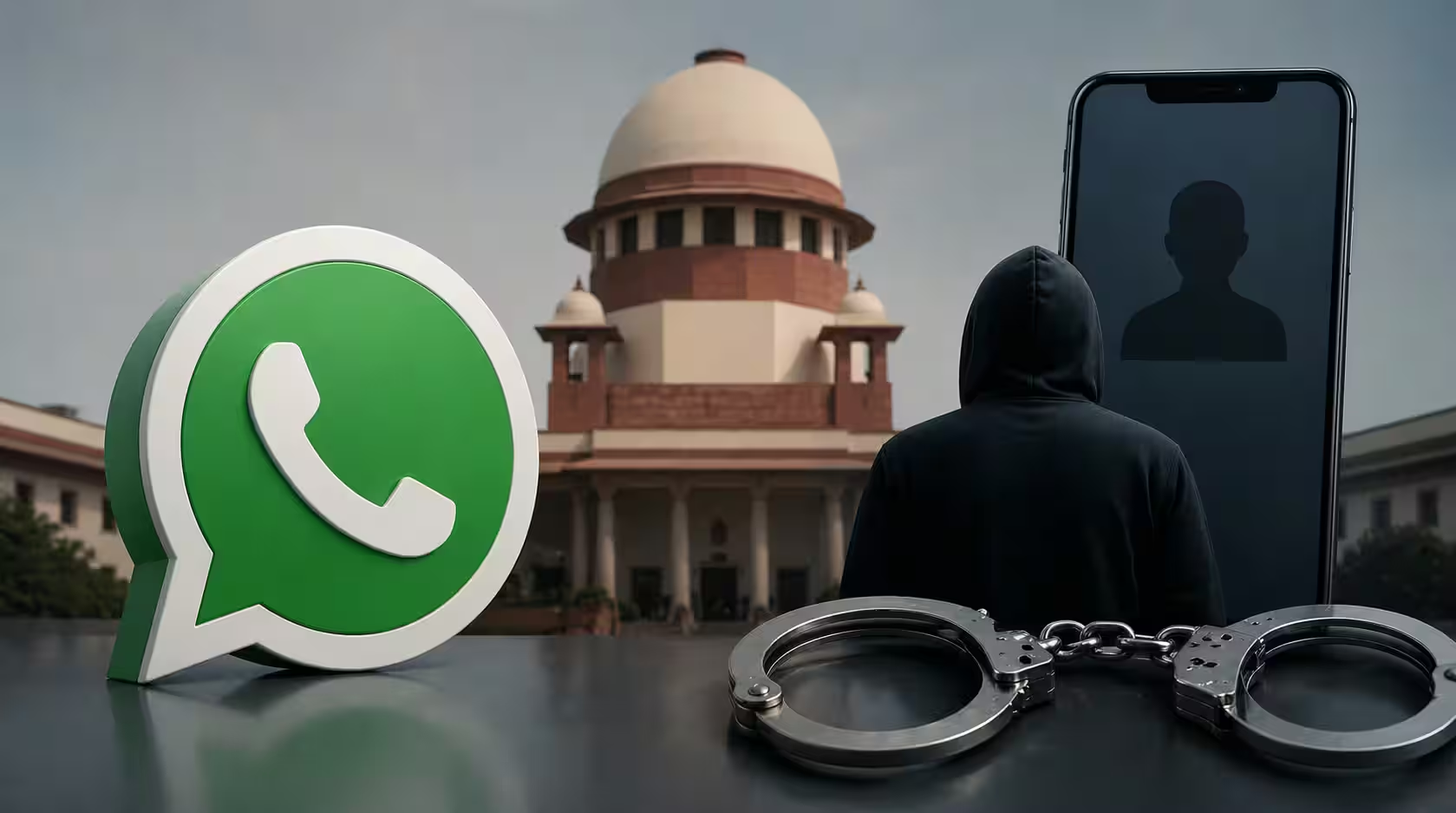
What Are ‘Digital Arrest’ Scams?
Digital arrest scams involve fraudsters impersonating law enforcement officials such as police or central agencies to intimidate victims. These scammers often claim that the individual is under investigation and must comply immediately, usually demanding money under the threat of arrest.
The scams typically rely on fear tactics, fake documents, and misuse of official logos to appear credible, making them particularly dangerous for unsuspecting users.
WhatsApp’s Crackdown on Fraudulent Accounts
WhatsApp’s latest action resulted in the removal of 9,400 accounts that were found to be associated with such scams. The platform has been increasing its efforts to identify and block malicious actors using a combination of AI-based detection systems and user reports.
The crackdown is part of a broader initiative to maintain platform safety and prevent misuse of its services for fraudulent activities.
Role of the Supreme Court Intervention
The move comes after the Supreme Court of India took cognizance of the rising cases of digital arrest scams and pushed for stricter measures to protect citizens.
This intervention has prompted faster action from technology platforms, law enforcement agencies, and regulators, leading to more aggressive monitoring and enforcement against cyber fraud.
Technology and AI in Fraud Detection
WhatsApp has deployed advanced technologies, including AI-driven systems, to detect suspicious behavior patterns and identify accounts misusing official symbols or engaging in fraudulent communication.
These systems analyze metadata, usage patterns, and reported activity to flag potential threats, enabling quicker action against scam networks.
Growing Threat of Cyber Fraud
The rise in digital arrest scams reflects a broader increase in cybercrime across India and globally. As more users rely on digital platforms for communication and transactions, fraudsters are finding new ways to exploit trust and technology.
This trend highlights the need for continuous vigilance, both from platforms and users.
What Users Should Do
Users are advised to remain cautious when receiving unexpected messages claiming legal action or financial demands. Official authorities typically do not conduct investigations or issue arrest threats through messaging apps.
Verifying information through official channels and avoiding sharing personal or financial details can significantly reduce the risk of falling victim to such scams.
Future Outlook
With regulatory pressure increasing, messaging platforms are expected to further strengthen their safety measures. This could include stricter verification processes, improved AI detection systems, and closer collaboration with law enforcement agencies.
As cyber threats evolve, continuous innovation in security will be essential to protect users.
Conclusion
WhatsApp’s ban on 9,400 accounts marks a significant step in combating digital arrest scams and improving platform safety. The action, backed by regulatory pressure from the Supreme Court, reflects a growing commitment to tackling cybercrime.
However, as fraud tactics become more sophisticated, a combined effort from platforms, authorities, and users will be crucial in ensuring a safer digital ecosystem.