United States: State-Level Restrictions Gain Momentum
In the United States, regulation has largely unfolded at the state level. Several states have introduced or passed laws requiring parental consent for minors to create social media accounts. Others have proposed outright bans for users under a certain age, typically 14 or 16. While federal legislation remains debated, states such as Utah and Arkansas have already advanced restrictive frameworks focused on age verification and parental oversight. Legal challenges are ongoing, particularly around First Amendment concerns and privacy implications tied to mandatory identity checks. For U.S.-based platforms, patchwork compliance is becoming a significant operational challenge.
European Union: Tightening Enforcement Under Existing Rules
The European Union has not implemented a blanket ban, but its regulatory structure is increasingly restrictive. Under the Digital Services Act (DSA) and General Data Protection Regulation (GDPR), platforms face strict obligations regarding child data protection and harmful content mitigation. Some member states are considering additional age-based restrictions. France and Spain, for instance, have debated raising the minimum age for social media access without parental consent. The EU’s approach leans toward platform accountability rather than outright prohibition, emphasizing enforcement and penalties over bans.
Australia: National-Level Debate Intensifies
Australia has emerged as one of the most vocal advocates for stronger child protections online. Lawmakers are evaluating whether to implement national age limits with stricter enforcement mechanisms, including potential bans for younger users. Australia previously pioneered legislation requiring platforms to compensate news publishers, signaling its willingness to confront major technology firms. Child online safety is increasingly framed as a public health issue in Australian policy discourse.
Asia: Mixed Approaches With Stronger Controls
Several Asian countries are also tightening digital restrictions. China has already imposed strict time limits and identity verification systems for minors across gaming and social platforms. While not framed as a total ban, the controls significantly limit access. South Korea and Japan are reviewing youth protection laws, particularly around addictive platform design and algorithmic exposure.
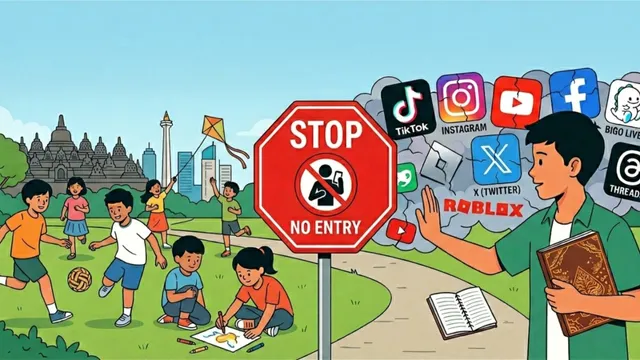
In Southeast Asia, governments are watching Western regulatory models closely, though implementation varies widely.
The Age Verification Challenge
Central to nearly all proposed bans is age verification. Mandating reliable identity checks raises privacy concerns and technical challenges. Platforms must balance compliance with safeguarding user data.
Civil liberties groups warn that strict age verification could lead to overcollection of sensitive information, creating new risks. Meanwhile, platforms argue that enforcing bans globally is complex given VPN usage and cross-border access. The regulatory debate is not just about children — it is about digital identity architecture itself.
Industry Response
Social media companies have increasingly introduced parental controls, default private settings for minors, and content moderation enhancements. However, critics argue these measures are reactive rather than preventive. As political pressure builds, platforms may face a choice: accept stricter age gating or risk losing access to younger demographics altogether. For companies whose growth historically relied on teenage adoption, the stakes are high.
A Structural Shift in Tech Governance
The push to ban or restrict social media for children signals a broader transformation in technology policy. For years, innovation moved faster than regulation. That gap is narrowing.
Child safety has become a bipartisan political issue in many countries, giving lawmakers unusual alignment in an otherwise polarized tech policy environment. The result is a new phase of governance in which platforms must proactively demonstrate harm mitigation.
What Happens Next
Whether full bans become widespread remains uncertain. Legal hurdles, enforcement complexity, and digital circumvention tools may limit effectiveness.
However, the direction is clear: governments are no longer content with voluntary safeguards. As regulatory frameworks tighten, social media platforms may be forced to redesign onboarding, data collection, and engagement mechanics fundamentally. The era of unrestricted youth access to social platforms is ending. What replaces it will shape the next chapter of global digital governance.