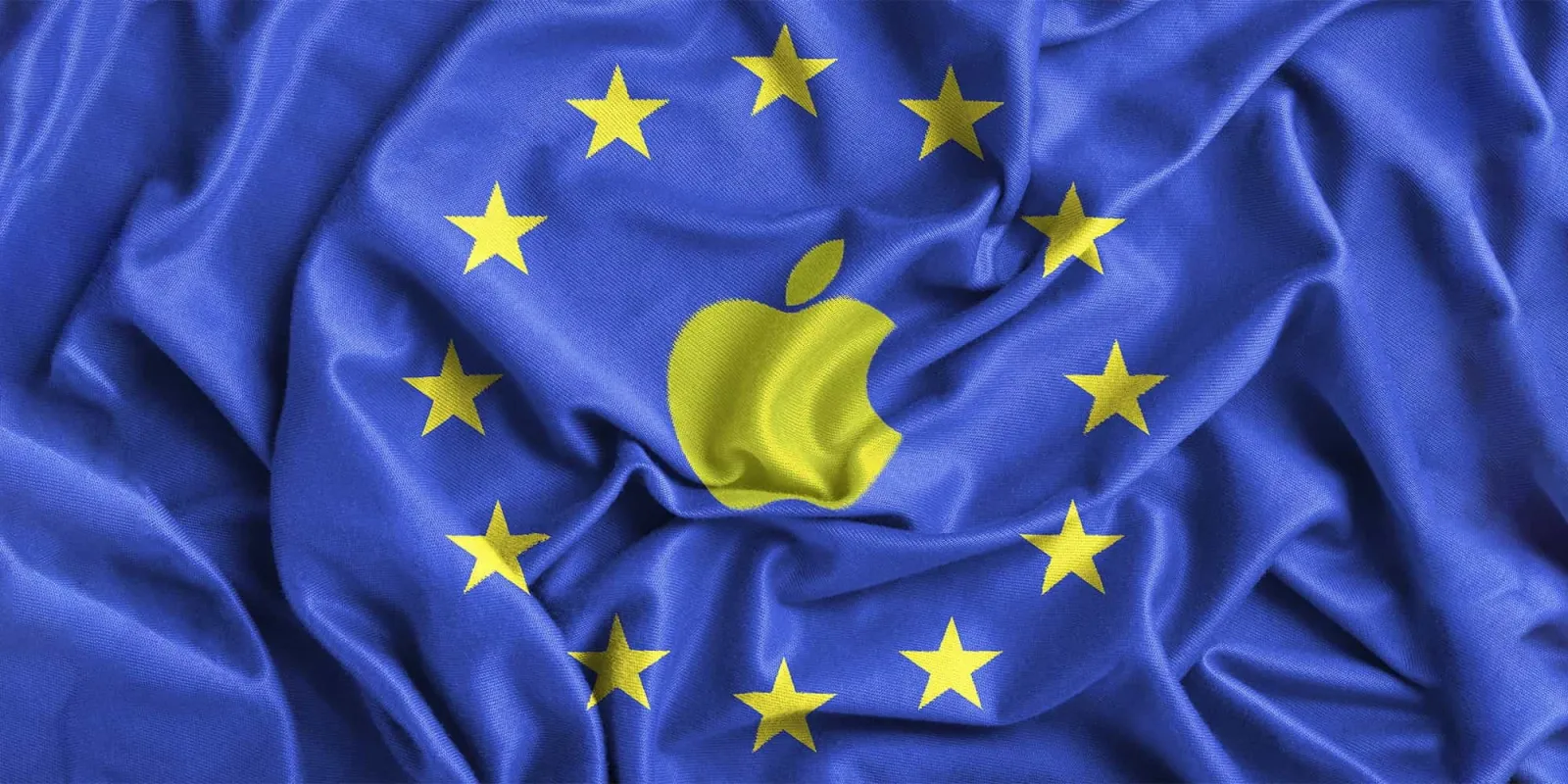
Apple cautions EU regulators that mandating Android openness for AI could compromise user privacy and security, intensifying the tech debate.
Apple has formally intervened with European Union regulators, cautioning against proposals that could force Google to open its Android operating system to rival artificial intelligence models. The iPhone maker argues such mandates could severely compromise user privacy and security on the dominant mobile platform, injecting a significant new voice into an already contentious debate.
This intervention places Apple, typically a staunch defender of its own closed ecosystem, in an unusual alignment with Google regarding the technical integrity of mobile operating systems. The EU’s Digital Markets Act (DMA) is driving this regulatory push, aiming to dismantle perceived gatekeeper advantages and foster greater competition in the digital sphere.
Specifically, Apple's submission to the European Commission reportedly highlighted the immense technical challenges and potential attack vectors introduced by mandating third-party AI integration at a deep OS level. The company's internal analysis suggests such requirements could undermine the end-to-end encryption and data safeguards users have come to expect from modern smartphones.
Critics, particularly smaller AI developers and some EU officials, will likely view Apple's stance as self-serving, aimed at preserving the existing duopoly and stifling innovation. They contend that interoperability mandates are essential to level the playing field, allowing emergent AI firms a fair shot at reaching users without being beholden to Google's or Apple's platform decisions.
The debate over open versus closed ecosystems is foundational to the tech industry, impacting everything from app development to data monetization strategies. For North American VCs, the EU's regulatory precedent could dictate future market dynamics, potentially creating new opportunities or imposing significant compliance burdens on portfolio companies.
Apple's move is less about defending Google and more about protecting its own future leverage, particularly as AI becomes deeply embedded in mobile experiences. If the EU successfully mandates deep AI interoperability on Android, it sets a precedent that could eventually extend to iOS, fundamentally altering Apple's control over its platform and user experience.
This is a strategic, pre-emptive strike by Cupertino, signaling its deep concerns about regulatory overreach impacting core architectural decisions. The company has long differentiated itself on privacy and security, a narrative that would be severely tested if it were forced to accommodate external AI models at the OS kernel level.
The technical complexities are formidable. Integrating diverse AI models, each with its own data handling protocols and computational demands, into a unified mobile operating system without creating performance bottlenecks or security loopholes is a monumental task. That's a big ask for any platform owner.
Apple's argument leans heavily on its established reputation for robust privacy features, a cornerstone of its brand identity in the North American market and globally. Any perceived dilution of this commitment, even if forced by external regulation, could erode consumer trust and market differentiation.
For Google, the implications are equally profound. Android’s open nature, while technically distinct from iOS, still maintains core security frameworks and control over fundamental system APIs. Mandating the integration of potentially unvetted AI models could unravel years of work in building a relatively secure and coherent user experience.
The EU’s DMA is an ambitious piece of legislation, designed to target "gatekeepers" — large online platforms with significant market power — and impose a set of dos and don'ts. Interoperability is a key tenet, aimed at reducing switching costs for users and fostering competition among service providers.
However, the specific application of interoperability to deep AI integration presents new, uncharted territory for regulators. Unlike messaging services or app stores, AI models frequently access sensitive user data and interact directly with system functions, raising the stakes significantly.
North American tech giants, including Meta and Amazon, are closely watching these developments. The EU often acts as a global regulatory trendsetter, with its policies frequently inspiring similar legislation in other jurisdictions, including potential state-level actions in the United States.
For startups in the burgeoning AI sector, particularly those building on mobile platforms, the outcome of this debate is critical. Greater openness could theoretically unleash a wave of innovation, allowing smaller players to compete directly with Google's Assistant or Apple's Siri.
Conversely, if mandated interoperability leads to a fragmented, less secure mobile experience, it could undermine the very trust necessary for mass adoption of advanced AI features. This tension between innovation and platform integrity is a constant challenge for the industry.
Apple’s history with EU regulators is fraught, marked by multi-billion dollar antitrust fines and ongoing investigations into its App Store policies and NFC access. This latest intervention, however, sees them advocating for a position that superficially aligns with Google’s commercial interests.
This alignment underscores the shared technical and strategic concerns that transcend typical competitive rivalries when fundamental platform architecture is at stake. Both companies operate under the principle that tighter control over core OS functions enables better security and user experience.
The regulatory concept of "opening up" a platform often conjures images of APIs and data portability. However, the complexities of AI, particularly generative models that learn and adapt, push beyond simple data sharing into fundamental system access and computational resource allocation.
Consider the potential for malicious AI models gaining deep system access on millions of devices, siphoning off user data or manipulating core functionalities. Apple’s warning is not just theoretical; it’s rooted in decades of experience battling security threats on mobile devices.
The argument that "users should have a choice" is compelling on the surface, but the underlying technical implementation details are what Apple is scrutinizing. Choice without security could quickly devolve into chaos, harming the very consumers the regulation aims to protect.
From a North American VC perspective, this regulatory uncertainty adds another layer of risk to investments in mobile-first AI companies. The long-term viability of a startup might hinge on whether it can integrate deeply into platforms or if it remains relegated to app-layer experiences.
The DMA’s broad scope means that the EU is scrutinizing various aspects of digital gatekeeper power, from app store commissions to default search engines. The move to examine AI interoperability is a natural, albeit complex, extension of this broader regulatory agenda.
Apple’s intervention also highlights the increasingly global nature of tech regulation. What starts as a policy discussion in Brussels can quickly have profound implications for product roadmaps and business strategies in Silicon Valley and beyond.
The European Commission will now weigh Apple’s arguments against those from proponents of greater openness. This often involves lengthy consultations, technical assessments, and a balancing act between fostering competition and ensuring platform integrity.
One potential compromise could involve highly sandboxed AI integrations, limiting their access to core system functions and sensitive user data. However, this might also limit the utility and performance of these third-party AI models, defeating the purpose of "openness."
The debate around interoperability for AI also touches upon the broader philosophical question of digital sovereignty and control. Who ultimately decides how technology functions on a user's device: the platform owner, the user, or the regulator?
Many US-based founders building cutting-edge AI fear a patchwork of global regulations that could force them to develop region-specific versions of their products, increasing development costs and slowing market penetration. This European precedent is a significant concern.
The EU’s stance is often framed around consumer empowerment and choice, but Apple's counter-argument suggests that unchecked choice in deep system integrations could inadvertently disempower users by exposing them to greater risks.
This battle is not just about Google and Apple; it’s about the future architecture of mobile computing and the role of AI within it. The outcome will set a precedent for how much control platform owners can exert over their ecosystems in the age of pervasive artificial intelligence.
The implications extend beyond smartphones to other connected devices and emerging AI hardware, where similar debates over interoperability and platform control are likely to surface. The stakes are incredibly high for the entire tech landscape.
Apple's unexpected intervention serves as a stark reminder that even fierce competitors can find common ground when fundamental principles of platform security and control are threatened by external forces. Their joint interest lies in maintaining a level of architectural integrity.
The regulatory bodies in the EU are under pressure to demonstrate that the DMA can effectively curb the power of tech giants and create a more equitable digital market. Retreating from an interoperability stance on AI could be seen as a weakness.
Conversely, pushing through mandates without fully addressing the security and technical feasibility concerns raised by industry leaders could lead to a flawed implementation, potentially backfiring on consumers and innovators alike.
The "why now" of Apple's intervention is also important. As generative AI rapidly matures, its integration into core operating systems is becoming a strategic imperative for all major tech players. Control over that integration is paramount.
Both Apple and Google are investing heavily in on-device AI capabilities, recognizing the importance of privacy and latency. Mandating external AI integration could disrupt these carefully planned roadmaps and strategic investments.
This situation underscores the growing tension between regulatory aspirations for open markets and the practical realities of building secure, high-performance computing platforms. There's no easy answer to this complex equation.
The role of data in AI models further complicates the issue. Third-party AI models would inevitably require access to user data for personalization and improvement, raising thorny questions about data governance, consent, and cross-border data flows.
For North American VCs looking at the next wave of AI innovation, clarity on these regulatory fronts is crucial. Investments need to be made with an understanding of how platforms will evolve under regulatory pressure.
The legal challenges to the DMA itself are ongoing, with several gatekeepers contesting their designations or specific obligations. Apple's latest move could be seen as contributing to the broader legal and political pressure against certain aspects of the regulation.
The EU’s push for interoperability often cites examples from the early internet, where open protocols fostered rapid innovation. However, modern mobile operating systems and AI present vastly different architectural and security paradigms.
This isn't merely a commercial dispute; it's a fundamental debate about the future architecture of personal computing. The vision of a truly "open" AI ecosystem on mobile devices, if realized, could fundamentally reshape the industry.
Apple's warning implies that such openness, if implemented poorly, could inadvertently lead to a less secure, more fragmented, and ultimately less valuable user experience. That’s a serious indictment of the proposed regulatory path.
The outcome could also impact the development of proprietary AI hardware. If core OS AI functionality is mandated open, it could diminish the incentive for companies to invest in highly optimized, secure on-device neural processing units.
Furthermore, the responsibility for security breaches in a mandated interoperable AI environment becomes a tangled web. Who is liable if a third-party AI, granted deep OS access, causes a system-wide vulnerability?
This question of accountability is central to Apple's concerns. In its current model, Apple assumes full responsibility for the security of iOS. Diluting that control complicates the entire security posture.
The long-term impact on global innovation is also at stake. While some argue for more openness, others contend that the highly controlled environments of Apple and Google have enabled consistent user experiences and rapid, secure innovation.
The dialogue between regulators and tech companies is often characterized by mutual distrust. Apple's intervention, however, represents a rare moment where a competitor supports an adversary's technical stance against a common regulatory threat.
This situation highlights the growing need for regulators to deeply understand complex technical architectures before imposing mandates that could have unintended, far-reaching consequences for security and privacy.
The precedent set by the EU in this specific AI interoperability debate will reverberate globally, influencing how other nations approach the regulation of powerful technology platforms and the burgeoning artificial intelligence sector.
As the EU navigates this complex terrain, the challenge lies in balancing the desire for increased competition with the imperative to maintain robust security and privacy standards in an increasingly AI-driven world. The tech industry watches closely.
Frequently asked questions
Why is Apple warning the EU about Google's Android?
Apple is warning EU regulators that mandating Google to open its Android operating system to rival AI models could severely compromise user privacy and security on the dominant mobile platform.
What are the EU proposals concerning Android and AI?
The EU is considering proposals that could force Google to allow third-party artificial intelligence models greater access and integration within its Android operating system.
What are Apple's main concerns regarding open Android for AI?
Apple's primary concerns center on potential compromises to user privacy and security if Android is forced to open up to various rival AI models, arguing it could create vulnerabilities.
How do these EU proposals impact Google?
These proposals directly challenge Google's control over its Android ecosystem, potentially forcing it to alter its platform to accommodate competitor AI services.
Why is Apple, an iPhone maker, intervening in a debate about Android?
Despite being Google's competitor, Apple is intervening because the precedent set for Android could impact the broader mobile ecosystem and user expectations around privacy and security.
What is the broader context of the EU's tech regulation efforts?
The EU is actively pursuing stricter regulations for major tech companies, aiming to foster competition and protect user rights across digital markets, including AI and mobile platforms.