iPhone Ultra is coming: Six new features in Apple’s high-end model
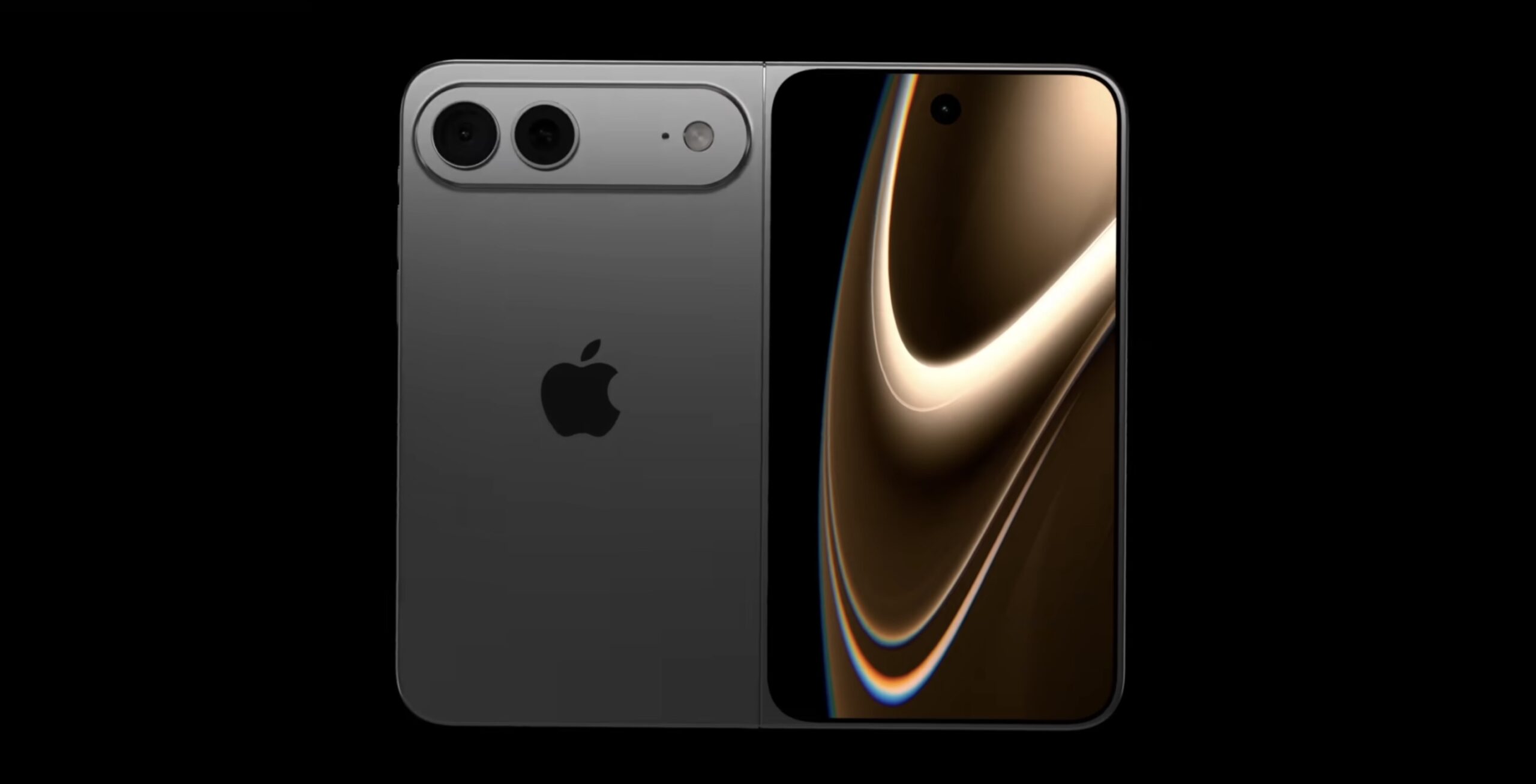
Reports indicate Apple is gearing up to launch an "iPhone Ultra" model, positioned significantly above its current Pro Max line, featuring at least six significant new technologies. This strategic move aims to capture the ultra-premium smartphone segment, potentially pushing device prices north of $1,200.
For years, Apple has incrementally refined its iPhone lineup, but an "Ultra" variant suggests a more aggressive push into high-margin devices, following a similar strategy seen with the Apple Watch Ultra. This comes as the global smartphone market faces saturation and declining growth rates, demanding stronger product differentiation.
Early whispers, corroborated by supply chain analysts at TF International Securities, point to a radical camera overhaul, including a periscope telephoto lens offering true 10x optical zoom, a substantial upgrade from the current 5x on the iPhone 15 Pro Max. The device is also rumored to integrate a custom 4nm A-series chip, purportedly offering a 20% boost in GPU performance over its predecessor, alongside enhanced battery life exceeding 30 hours of video playback. Furthermore, a new aerospace-grade titanium chassis is expected to offer superior durability and a lighter form factor. Cutting-edge Wi-Fi 7 capabilities promise faster, more reliable wireless connectivity, and a breakthrough low-power display technology is anticipated, enabling adaptive refresh rates down to an unprecedented 1Hz for extreme power efficiency.
Analysts, however, question the broad market appetite for a device that could breach the $1,500 mark, especially with inflationary pressures continuing to impact consumer spending across North America. The premium smartphone segment is already fiercely competitive, with Samsung and Google vying for high-end users.
The broader smartphone industry saw shipments decline by approximately 11% year-over-year in Q3 2023, according to IDC data, underscoring the urgent need for compelling innovation. Apple's average selling price (ASP) for iPhones already hit a record $988 in the last fiscal year, a clear indicator of its successful premiumization strategy.
The introduction of novel components like a periscope lens and a bespoke titanium frame will inevitably stress Apple's complex global supply chain. Manufacturing these advanced components at scale without compromising Apple's renowned quality standards presents a significant logistical and engineering hurdle, particularly amid ongoing geopolitical tensions affecting chip and material sourcing.
Rivals like Samsung, which already offers ultra-premium devices such as the Galaxy S24 Ultra, will be closely watching Apple's move. Google's Pixel line, while holding a smaller market share, continues to innovate aggressively in computational photography and AI, potentially forcing these players to accelerate their own premium feature roadmaps in response to Apple's escalation.
New display technologies and advanced camera sensors will present fresh opportunities and challenges for the vast developer ecosystem. Optimizing existing applications for a potentially larger, brighter, and more power-efficient screen with a truly adaptive refresh rate will require significant development effort, especially for graphics-intensive games and professional creative tools.
A new tiered "Ultra" model could establish a new anchor price point for the entire iPhone lineup, potentially making the existing Pro Max models seem more "affordable" in comparison. This psychological pricing strategy could drive up ASPs across Apple's entire smartphone portfolio, even if "Ultra" sales initially constitute a smaller, albeit highly profitable, segment of overall shipments.
A more capable, durable, and longer-lasting device would further entrench users within the Apple ecosystem, potentially boosting engagement with Apple Music, Apple Arcade, and iCloud services. The inherent "stickiness" of premium hardware directly translates to recurring software and services revenue, a critical growth area for the Cupertino giant.
Apple's ongoing environmental commitments mean the Ultra's materials and manufacturing process will undoubtedly face scrutiny. The reported use of recycled titanium and significantly improved battery longevity, while premium features, can also be framed within a broader sustainability narrative, appealing to an increasingly eco-conscious consumer base in North America and beyond.
The potential for cannibalization of Apple's existing iPhone Pro Max sales is a real concern, though one Apple likely calculated. The "Ultra" would need to offer a sufficiently differentiated feature set to justify its higher price point and prevent it from merely siphoning sales from its slightly less premium siblings, maintaining clear segmentation.
Beyond the hardware, an "Ultra" designation often signifies exclusive software features or enhanced integration with Apple's services ecosystem. We could see bespoke professional-grade camera modes, advanced on-device AI capabilities leveraging the new chip, or even dedicated accessibility features that differentiate it beyond mere specifications.
The timing of such a launch also aligns with Apple's strategy to maintain premium market dominance. With competitors struggling to maintain margins in a stagnant market, Apple's move to further elevate its highest-end offering could solidify its position at the very top of the smartphone value chain, appealing directly to the most affluent consumers and pro users.
Should these detailed rumored specifications materialize, the iPhone Ultra represents Apple's boldest move in years to redefine the high-end smartphone market, setting a new benchmark for mobile technology and pricing in the coming fiscal year. The market will soon determine if this ambitious gamble yields the desired returns.