Discover every major update Google unveiled at its Android event, including a revamped Google Books, cross-device features, and innovative vibe-coded widgets.
So, what exactly did Google just drop at its latest Android showcase?
Google unveiled a substantial array of platform updates for its Android ecosystem, encompassing everything from a revamped Google Books experience to ambitious "vibe-coded" home screen widgets. The annual event highlighted a concerted push towards more seamless cross-device functionality across phones, tablets, watches, and TVs, signaling an accelerated drive into ambient computing.
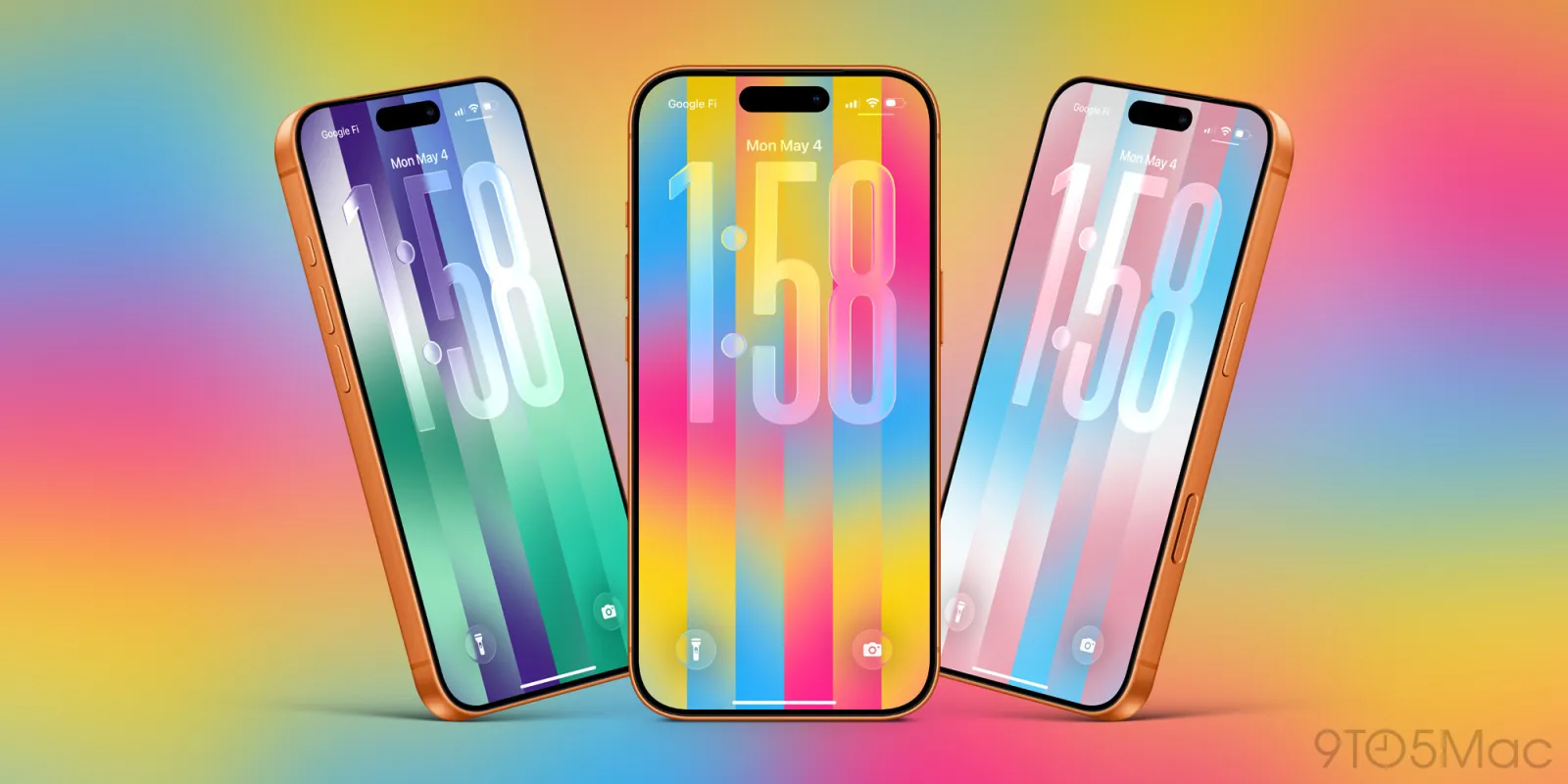
Key among the announcements were deeper integrations for Google Books, allowing users to effortlessly access and share snippets across devices, alongside the much-hyped "vibe-coded" widgets, designed to personalize home screens based on user mood and activity data. These are pitched as significant steps towards a more intuitive and expressive user experience, leveraging on-device machine learning.
Critics, however, immediately questioned the real-world utility of "vibe-coded" widgets, pointing to a history of similar personalization features that often see limited adoption beyond initial novelty. The Android landscape is littered with well-intentioned but ultimately ignored customization tools.
The broader industry context for this wave of announcements is clear: Google is doubling down on ecosystem stickiness. This mirrors aggressive moves by Apple and Samsung, as tech giants race to create seamless multi-device experiences that essentially lock users into a cohesive, Google-centric digital life, making it harder to jump ship.
The Google Books overhaul isn't just a UI refresh. It’s a strategic play to embed reading deeper into the OS, allowing for instant access to libraries across devices, improved AI-powered narrations for audiobooks, and enhanced social sharing features that let users quickly pull and share quotes directly from the text. For publishers and content creators, this means new avenues for discoverability, though the financial terms of this deeper integration remain a topic of intense speculation among industry insiders.
Then there are the "vibe-coded" widgets, perhaps the most conceptually intriguing, or perhaps the most nebulous, announcement. Google claims these widgets will dynamically adapt based on context – your location, time of day, calendar events, and even your detected "vibe" derived from app usage patterns. Imagine a widget showing meditation apps in the morning, switching to a workout playlist by afternoon, and then to a dinner recipe by evening. That's the promise.
The underlying technology relies heavily on advanced on-device AI and machine learning, processing user data without necessarily sending it all to Google's servers. This is a crucial privacy distinction that Google is keen to emphasize, especially as privacy concerns continue to dominate tech discourse. Yet, the sheer volume of data analyzed, even locally, raises questions about the scope of user profiling and potential for unintended algorithmic biases.
Developers will gain access to new APIs to integrate their applications into this "vibe" system, creating a new layer of contextual interaction. The challenge for Google will be convincing developers to invest in these new paradigms, given the historically fragmented nature of Android widget adoption and the effort required to optimize for dynamic state changes. It’s a big ask for small teams.
Wear OS received a significant boost, focusing on enhanced health and fitness tracking. Deeper Fitbit integration, particularly for Pixel Watch owners, brings more granular sleep analysis, stress management tools, and advanced workout metrics directly to the wrist. New "Glanceable Tiles" aim to provide quicker access to information, reducing interaction friction and ideally improving battery life through less screen-on time. This positions Wear OS more directly against Apple Watch, but battery life remains the perennial Achilles' heel for many Android smartwatches.
Google TV also saw updates designed to refine content discovery and personalization. New multi-user profiles mean a more tailored experience for each family member, complete with individualized watchlists and recommendations. The integration of live TV services continues to expand, aiming to make Google TV a central hub for all forms of entertainment, from streaming giants to traditional cable alternatives. Fast Pair functionality now extends to Google TV, making connecting Bluetooth headphones a one-tap affair, which is a welcome quality-of-life improvement.
The most compelling aspect of the entire showcase, arguably, was the renewed emphasis on cross-device functionality. Google demonstrated seamless "Continue Watching" features that let users pause a movie on their TV and pick it up instantly on a tablet or phone. Universal copy-paste, faster photo sharing between Android devices, and expanded Fast Pair support for a wider array of peripherals are all part of this vision. This is Google's direct counter-punch to Apple's lauded Continuity features, attempting to build a similar level of inter-device cohesion within its sprawling open ecosystem.
The goal is an "ambient computing" experience, where technology fades into the background, proactively serving users without explicit commands. This vision, while compelling on paper, demands significant developer buy-in and a robust, low-latency communication layer between disparate devices. Google has been iterating on this for years, and these announcements suggest a more mature, if still evolving, approach to the challenge.
For founders and engineers, the immediate takeaway is a fresh set of APIs and platform expectations. Integrating with "vibe-coded" widgets or optimizing for enhanced cross-device continuity could offer competitive advantages, but the development overhead is non-trivial. The question isn't just what Google offers, but what the developer community is willing to build upon it, and what users are willing to adopt.
Security and privacy were, as expected, woven into the narrative, particularly concerning the deeper integration of personalized data for features like vibe-coded widgets. Google reaffirmed its commitment to on-device processing where possible, and more transparent data controls for users. Still, every new layer of personalization inevitably sparks renewed scrutiny over data handling practices, and Google's track record here remains a frequent target for regulators and privacy advocates alike.
Ultimately, Google's latest Android showcase was less about a single "killer feature" and more about consolidating its ecosystem. The ambition is to create an experience so fluid and integrated across devices that leaving the Google orbit becomes an increasingly unattractive proposition. The true test, as always, will be in the execution, user adoption, and how effectively Google can convince developers to join them on this journey.
Frequently asked questions
What did Google announce at its Android Show?
Google unveiled major Android platform updates, including a revamped Google Books experience, new vibe-coded home screen widgets, and enhanced cross-device functionality across phones, tablets, watches, and TVs.
What are "vibe-coded widgets"?
Vibe-coded widgets are a new feature announced by Google for Android that allows users to customize their home screen widgets with specific aesthetic themes or "vibes" to personalize their device experience.
Did Google update Google Books?
Yes, Google announced a revamped Google Books experience as part of its latest Android platform updates, enhancing its functionality and user interface for readers across the ecosystem.
What's new for cross-device functionality on Android?
Google highlighted a concerted push towards more seamless cross-device functionality across its Android ecosystem, aiming to connect phones, tablets, watches, and TVs more efficiently and intuitively.
Which devices will get the new Android updates?
The new Android updates and features announced by Google are designed for a wide range of devices within the Android ecosystem, including phones, tablets, smartwatches, and smart TVs.
Where can I find a recap of Google's Android announcements?
This TechCrunch article provides a comprehensive recap of everything Google announced at its latest Android Show, detailing new features, platform updates, and their implications for users.