Motorola's new Razr lineup challenges Samsung's Galaxy Z Flip 7, potentially reshaping market share and investor sentiment for both foldable phone giants.
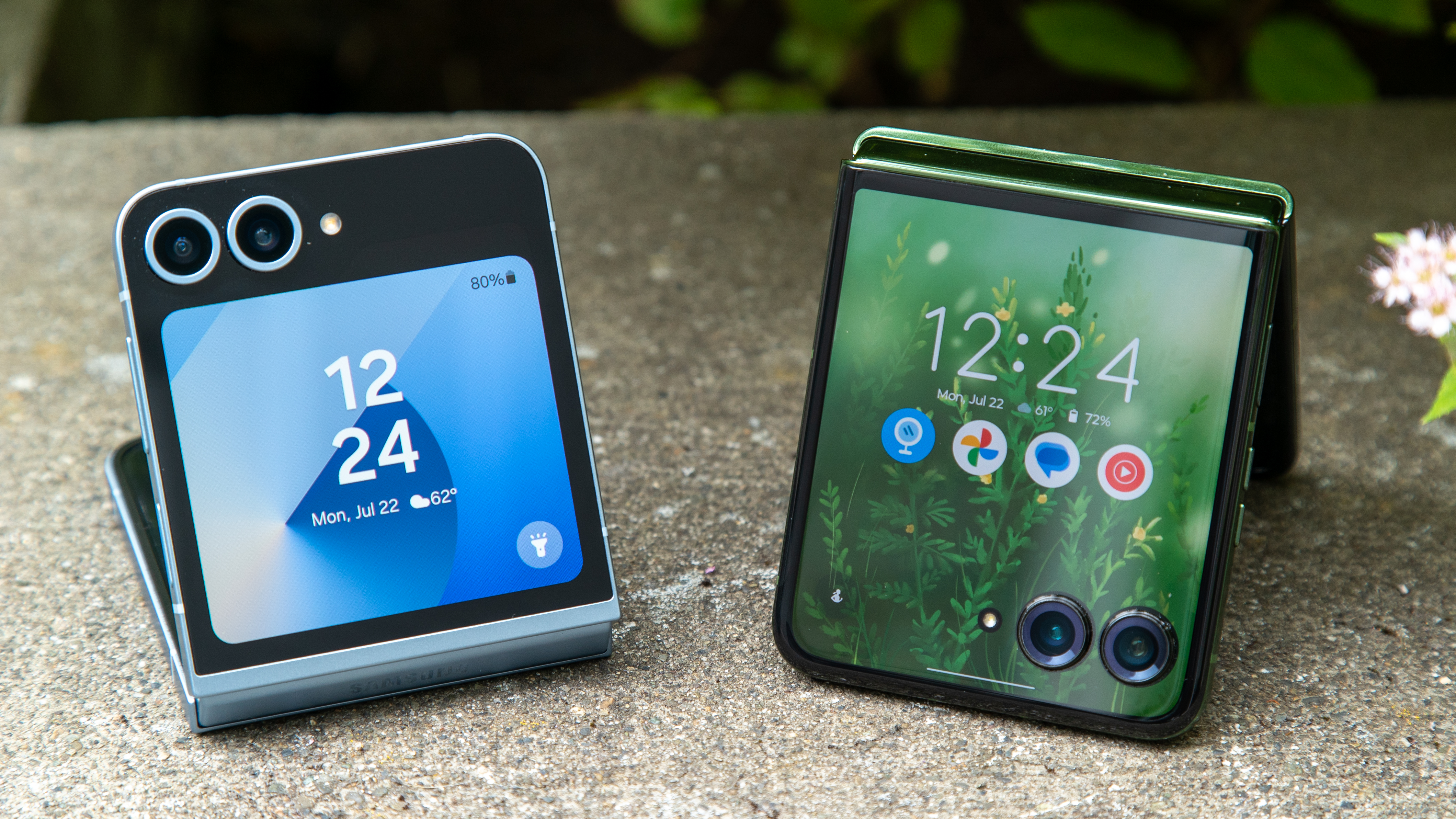
Motorola's latest Razr lineup is intensifying competition within the premium foldable smartphone segment, with its new models positioning a significant challenge to Samsung's Galaxy Z Flip 7 and potentially influencing investor outlook on both manufacturers' future market share and innovation trajectories. The perceived hardware and software advantages offered by Motorola could prompt a re-evaluation of current market leadership dynamics, particularly in key Western markets. The 2026 Razr series, despite sharing chipsets with its 2025 predecessors, introduces substantial upgrades in core components that directly challenge Samsung's offering at comparable price points. Motorola's Razr Plus, for instance, enters the market with a similar $1,100 starting price as the Galaxy Z Flip 7 yet boasts a 50MP ultrawide camera compared to Samsung's 12MP, a brighter 165Hz 10-bit main display, and a 200mAh larger battery supporting 45W wired charging against the Z Flip 7's 25W. Performance differences are also highlighted, with the Snapdragon 8s Gen 3 in the Razr expected to offer smoother, more consistent performance than the Exynos 2500 chip found in some Z Flip 7 variants, based on past experience with Exynos chips. Beyond raw specifications, Motorola has differentiated its user experience through software optimizations for the cover screen, allowing users to access nearly all phone functionalities without opening the device. This contrasts with Samsung's approach, which often gates critical features behind its Good Lock modules and limits app usage and keyboard options on the closed display, confining users to Samsung's proprietary keyboard even when alternatives are preferred. Motorola's Desk Display feature, which debuted in 2024 and was retroactively applied to 2023 models, further enhances usability by allowing media playback or notifications when the phone is in tent mode.
What It Means
The aggressive positioning of the 2026 Razr lineup suggests Motorola is capitalizing on perceived innovation gaps within Samsung's foldable strategy, aiming to erode the market leader's dominance. This competitive pressure could compel Samsung to accelerate its own research and development efforts in the flip phone category to maintain its premium brand perception and defend its valuable market share. Investors may scrutinize Samsung's ability to respond effectively, especially given reports that Motorola currently holds 50% of the US foldable market share, indicating significant inroads against previously entrenched rivals. A sustained lead by Motorola in hardware specifications and intuitive software features for the foldable form factor could shift consumer preferences and investment capital. The perceived stagnation in Samsung's Z Flip series, particularly regarding its cover screen functionality, presents a strategic vulnerability that Motorola appears keen to exploit. This dynamic underscores the importance of continuous innovation in rapidly evolving technology segments, where even minor incremental improvements can translate into significant competitive advantages.
Motorola captures 50% of the US foldable market share, signaling a potent challenge to incumbent leaders.
The Background
Samsung has historically been a trailblazer in the foldable smartphone market, establishing the form factor with its Galaxy Z Flip and Fold series. However, the Android Authority report suggests that Motorola has systematically learned from market preferences, particularly regarding the utility of the external display. Features like Desk Display and unrestricted app usage on the cover screen, which were introduced in earlier Razr iterations, demonstrate a user-centric design philosophy that has garnered traction. The pricing strategy for the 2026 Razr Plus mirrors that of the Z Flip 7 at $1,100, forcing a direct comparison based purely on features and user experience, rather than price elasticity. This strategic parity in pricing, coupled with superior hardware specifications for key user-facing components such as cameras and displays, indicates a deliberate effort by Motorola to position its Razr devices as the more compelling option for consumers seeking a high-performance flip phone. The market is increasingly mature for foldables, moving beyond early adopter novelty towards more discerning consumer demand for practical features and robust performance.
The Bear Case
Despite Motorola's formidable hardware and software advantages, a significant concern for consumers and a potential drag on long-term adoption remains its software support policy. While Motorola has committed to seven years of updates for its Razr Fold model, mirroring Samsung's flagship support, the three Razr flip phones, including the high-end $1,500 Ultra, are slated to receive only three years of software updates. This commitment lags significantly behind Samsung, which supports even its budget Galaxy A17 5G for six years, presenting a compelling reason for some consumers to opt for the Z Flip 7 despite its perceived hardware and software shortcomings. The disparity in software longevity could impact resale values and user satisfaction over time, potentially eroding Motorola's competitive gains from superior initial hardware. For many consumers, extended software support is a critical factor influencing purchasing decisions, providing security updates, new features, and prolonged device usability. This imbalance represents a key vulnerability for Motorola's strategy, creating a "bear case" where the device's technical excellence is undercut by a shorter support lifecycle. The competitive landscape for foldable phones is poised for further shifts as Samsung prepares its next generation of devices. Investors and market watchers will be closely monitoring Samsung's forthcoming announcements for any "drastic changes" to its Z Flip lineup, particularly regarding hardware specifications, software enhancements for the cover screen, and competitive pricing strategies. Motorola's ability to address its software support duration for the Razr flip series will also be a critical factor in solidifying its market position and challenging Samsung's long-term dominance.
Frequently asked questions
How is Motorola's Razr impacting the foldable smartphone market?
Motorola's latest Razr lineup is intensifying competition in the premium foldable segment, posing a significant challenge to Samsung's Galaxy Z Flip 7 and potentially shifting market dynamics. This creates a more competitive landscape for consumers and investors alike.
What are the key differences between Motorola Razr and Samsung Z Flip?
The article suggests Motorola's Razr offers perceived hardware and software advantages that challenge Samsung's long-standing leadership, driving innovation in design and user experience.
How might the Razr's success affect Samsung's market share?
The strong performance of the new Razr models could lead to a re-evaluation of Samsung's future market share in the premium foldable space, signaling a more competitive environment.
What are the investment implications of Motorola's foldable strategy?
Investors are closely watching how Motorola's aggressive foldable strategy influences outlooks for both Motorola and Samsung, particularly concerning innovation trajectories and market segment dominance.
Is the foldable smartphone market growing?
Yes, the intensifying competition from new models like the Motorola Razr indicates a vibrant and growing premium foldable smartphone segment, attracting significant manufacturer investment.
What does this mean for smartphone innovation?
Increased competition between Motorola and Samsung is expected to accelerate innovation in foldable smartphone technology, benefiting consumers with advanced features and improved designs.