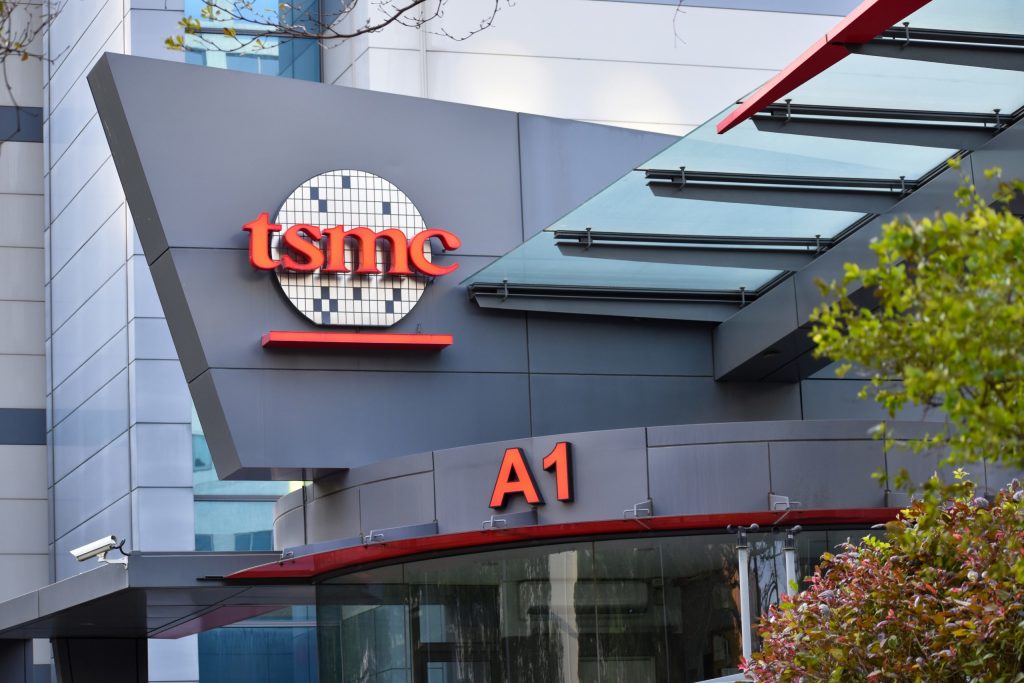
Taiwan’s benchmark index surged past the symbolic 40,000 level in intraday trading, driven largely by a sharp rally in shares of TSMC. Although the index later pared gains, the milestone underscored the outsized influence the chipmaker holds over Taiwan’s equity performance.
TSMC, the world’s largest contract chip manufacturer, carries significant weight in Taiwan’s market capitalization. Movements in its share price frequently dictate the direction of the broader index, particularly during periods of global technology optimism.
The rally reflects sustained investor appetite for semiconductor stocks tied to artificial intelligence and high-performance computing demand.
AI Demand Continues to Power Chip Stocks
The semiconductor sector has been buoyed by expectations of continued AI infrastructure spending. Advanced logic chips, critical for data centers and machine learning workloads, remain in high demand across global markets.
TSMC sits at the center of this supply chain, manufacturing cutting-edge chips for leading technology firms worldwide. As AI-related capital expenditure remains elevated, investors view the company as a direct beneficiary of structural growth rather than cyclical rebound alone.
Taiwan’s equity market, therefore, has become closely linked to global AI investment trends.
Market Concentration Risks and Rewards
While TSMC’s dominance has fueled gains, it also concentrates market risk. Taiwan’s benchmark index is heavily weighted toward technology and semiconductor firms, amplifying volatility when sentiment shifts.
A strong earnings outlook or upgraded guidance from TSMC can lift the entire market. Conversely, supply chain disruptions, geopolitical tensions, or demand slowdowns can trigger sharp corrections.
The brief crossing of 40,000 illustrates both the strength of investor conviction and the market’s dependence on a single sector.
Geopolitics and Supply Chain Sensitivity
TSMC’s global importance extends beyond financial markets. The company plays a critical role in the global semiconductor supply chain, serving customers in the United States, Europe, and Asia.
Geopolitical tensions involving Taiwan remain a persistent overhang. However, investor confidence appears to be anchored in the belief that demand for advanced chips will outweigh near-term uncertainties.
As governments worldwide invest in semiconductor resilience and domestic manufacturing, TSMC continues expanding production capacity both at home and abroad.
Broader Regional Impact
The rally in Taiwan echoed across Asian technology stocks, reinforcing the semiconductor sector’s influence on regional indices. Markets in South Korea and Japan, also heavily exposed to chip and electronics exports, often track similar trends.
Investor flows into Asia-Pacific equities increasingly hinge on semiconductor earnings cycles and AI-related spending trajectories.
Taiwan’s brief move above 40,000 serves as a barometer of global technology sentiment rather than a purely domestic economic signal.
What It Signals
The milestone reflects sustained confidence in semiconductor-led growth, particularly tied to artificial intelligence infrastructure.
However, it also highlights the concentration risk embedded in Taiwan’s equity market structure.
For global investors, Taiwan’s market performance is no longer simply a regional story. It has become a proxy for the broader AI investment cycle.
As long as semiconductor demand remains robust, TSMC’s trajectory will likely continue shaping Taiwan’s market milestones — and global tech sentiment alongside it.