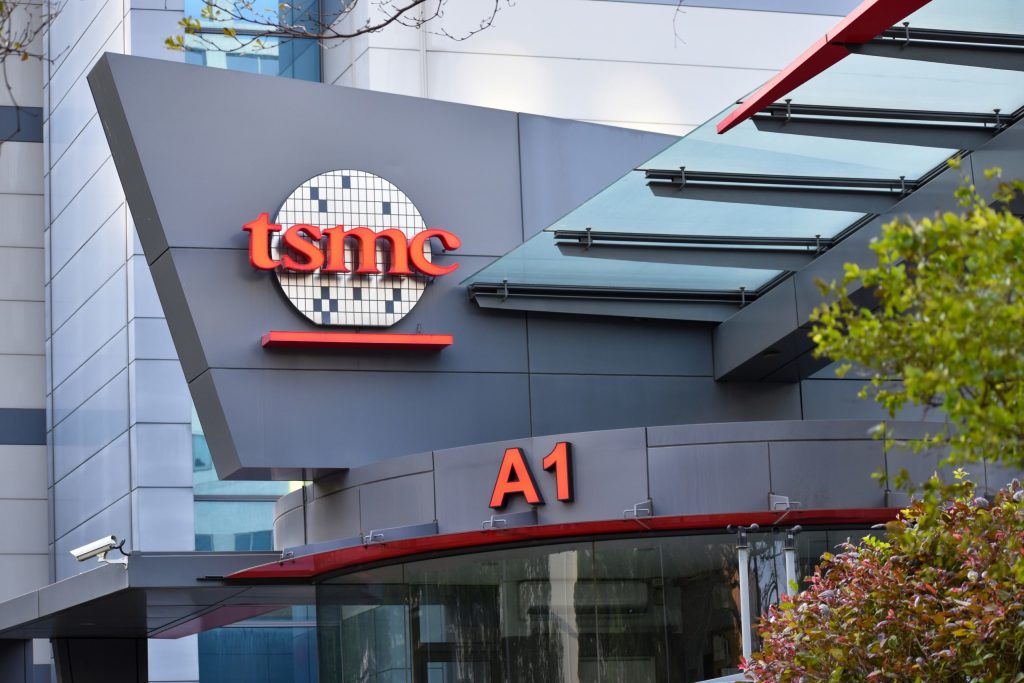
The regulatory easing is seen as a move to bolster capital market flexibility while reinforcing Taiwan’s strategic semiconductor leadership at a time of intensifying global competition.
For investors, the development signals improved liquidity prospects and potentially stronger institutional participation in Taiwan’s flagship technology stock.
Why Investment Limits Matter
Taiwan historically imposed caps on how much local funds could allocate to individual stocks, partly to mitigate concentration risk. However, in a market where TSMC dominates both index weightings and global semiconductor relevance, such restrictions can constrain institutional demand.
Relaxing these limits opens the door for domestic funds to raise holdings in TSMC, potentially increasing inflows and supporting share price stability.
Given TSMC’s outsized role in global chip supply chains — particularly for advanced nodes used in AI and high-performance computing — capital access remains strategically significant.
AI Demand and Market Context
TSMC sits at the center of the artificial intelligence hardware boom. It manufactures advanced chips for leading U.S. and global technology firms, including those building AI accelerators and data center processors.
As AI infrastructure spending accelerates worldwide, demand for cutting-edge semiconductor fabrication capacity remains elevated.
Investors have increasingly treated TSMC not merely as a manufacturing company but as critical infrastructure for the AI economy.
Policy signals that strengthen capital support for the company reinforce that narrative.
Geopolitical and Strategic Backdrop
Taiwan’s semiconductor industry occupies a sensitive geopolitical position. Global governments are investing heavily in domestic chip manufacturing capabilities to reduce supply chain dependence.
At the same time, Taiwan remains central to advanced-node production, particularly at 3nm and below.
Easing fund investment limits may also be interpreted as a domestic signal of confidence in Taiwan’s economic resilience amid regional tensions.
Capital stability becomes especially important in strategic industries where long-term investment cycles dominate.
Implications for Global Investors
TSMC’s share movement reverberates beyond Taiwan. As one of the most heavily weighted semiconductor stocks globally, its performance influences broader chip sector indices and exchange-traded funds.
U.S. investors, in particular, view TSMC as a proxy for global AI hardware demand, given its manufacturing relationships with major American tech companies.
Improved domestic capital flexibility may enhance TSMC’s valuation resilience during periods of market volatility.
The Bigger Picture
Taiwan’s policy adjustment underscores a broader theme in global technology markets: governments are increasingly aligning regulatory frameworks with strategic industries.
Semiconductors are no longer treated as ordinary manufacturing assets. They are foundational to economic competitiveness, defense capability, and AI leadership.
By easing fund investment limits, Taiwan is effectively reinforcing the capital base of its most important industrial champion.
For TSMC, the share price jump reflects more than a short-term regulatory tweak.
It signals sustained alignment between policy, capital markets, and the semiconductor industry’s central role in the AI-driven global economy.