Apple accelerates its renewable energy commitment in India, funding 250MW solar and wind projects to green its growing supply chain.
The latest Power Purchase Agreements in Andhra Pradesh mark a significant escalation. Apple, through its manufacturing partners, is directly funding the development of 250 megawatts of new solar and wind capacity. This isn't merely about offsetting; it's about embedding renewable energy into the very fabric of its burgeoning Indian supply chain. The strategic pivot is clear: India is not just a market or a manufacturing alternative, but a critical pillar in Apple’s audacious 2030 carbon neutrality goal.
This expansion isn't isolated. It complements ongoing efforts across states like Tamil Nadu and Karnataka, where Foxconn and Pegatron facilities are rapidly scaling production. Integrating vast renewable energy sources directly into these operations ensures that as output surges, the environmental footprint doesn't proportionally follow. It's a proactive move, anticipating future regulatory pressures and securing long-term operational sustainability.
The India Imperative
India’s ascent as a manufacturing hub for Apple is undeniable. Government incentives, a vast labor pool, and a geopolitical diversification strategy have accelerated this shift. But rapid industrialization carries environmental consequences. Apple’s expanded initiatives directly address these, aiming to set a new standard for responsible manufacturing in the region. This isn't philanthropy; it's astute business strategy.
The country's own ambitious renewable energy targets provide a synergistic backdrop. India aims for 500 GW of non-fossil fuel capacity by 2030. Apple’s investments contribute directly to this national objective, fostering goodwill and potentially streamlining future operational clearances. They are aligning their corporate strategy with national priorities, creating a powerful narrative of shared progress.
Consider the scale: Apple’s supplier clean energy program now encompasses over 200 suppliers globally committed to using 100% renewable electricity. A substantial portion of the new commitments are now originating from Indian operations. This signals a deepening reliance on the Indian ecosystem for critical components and assembly, demanding corresponding environmental accountability.
Beyond Electrons: Water and Waste Stewardship
Renewable energy is just one facet. Apple’s engagements in India extend to critical water stewardship. Manufacturing processes, especially in electronics, are water-intensive. New partnerships with local water treatment and conservation experts are targeting closed-loop systems and community-based watershed restoration projects near major supplier facilities. The aim is to achieve net-positive water impact in water-stressed regions.
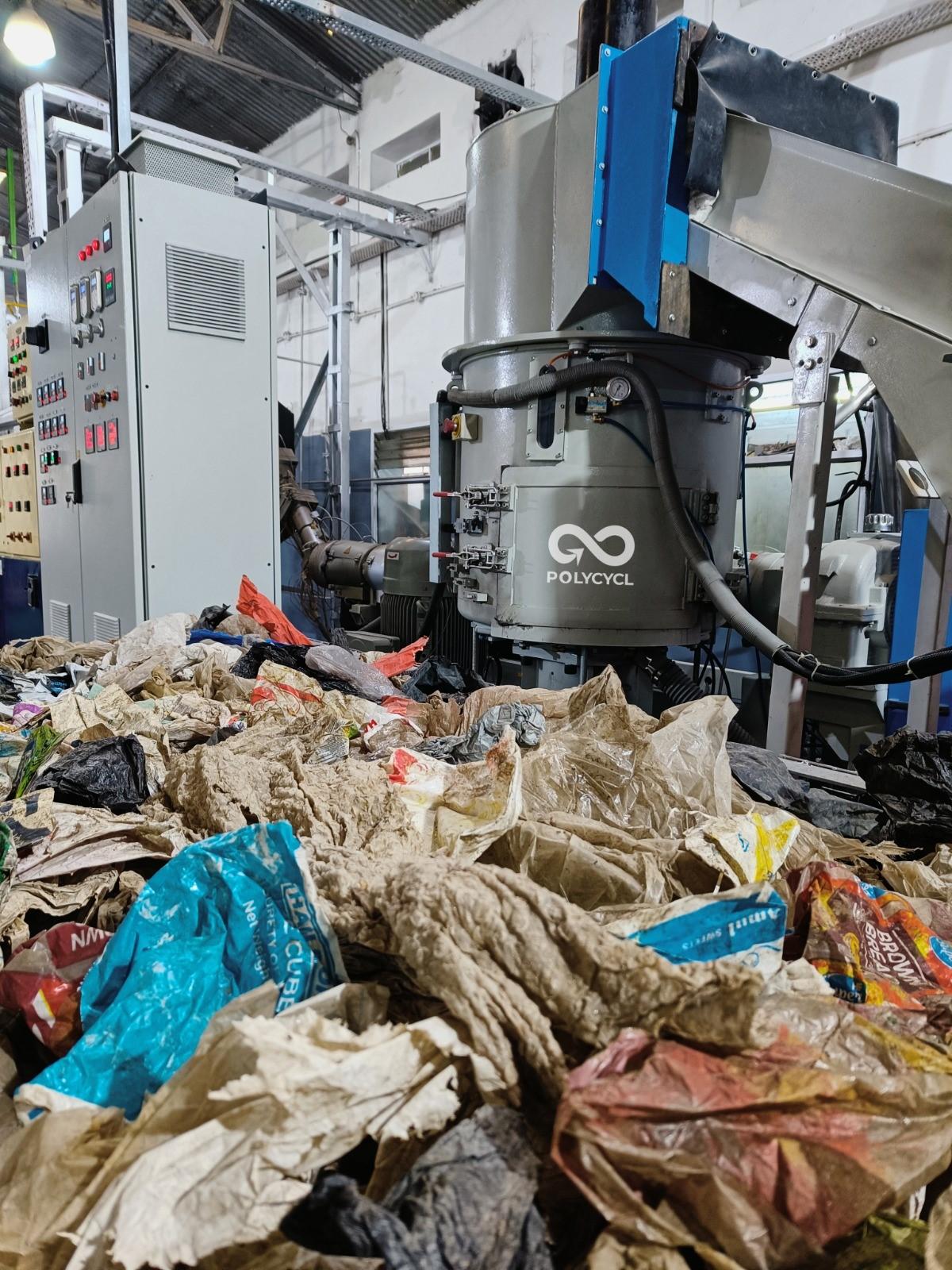
Waste management presents another formidable challenge and opportunity. India's informal recycling sector, while robust, lacks the formal infrastructure for high-value e-waste processing. Apple is collaborating with authorized recyclers and waste management companies to scale up responsible e-waste collection and processing. This includes investing in technologies to recover rare earth elements and other valuable materials, often for reuse in new products.
These partnerships aim to formalize and professionalize parts of India's circular economy. They provide training, technology transfer, and stable revenue streams for local enterprises. This creates a more resilient supply chain for recycled materials, reducing reliance on virgin resources and mitigating environmental impact at both ends of the product lifecycle.
Impact at Scale: Apple’s Supplier Clean Energy Program has already brought online over 18 gigawatts of clean electricity globally, enough to power millions of homes. India’s contribution is rapidly growing, with recent commitments adding hundreds of megawatts to this total.
The Strategic Rationale: De-Risking and Differentiation
For founders and operators, Apple’s moves offer crucial lessons in supply chain resilience and brand differentiation. Diversifying manufacturing away from China is a geopolitical imperative. Doing so while simultaneously elevating environmental standards de-risks the entire operation. It preempts future carbon border adjustments, consumer backlash, and investor scrutiny.
Environmental, Social, and Governance (ESG) factors are no longer peripheral. They are core to valuation and long-term viability. Apple’s deep investments in India's green infrastructure signal a commitment that resonates with institutional investors and a new generation of talent. Attracting skilled labor in competitive markets like India increasingly depends on demonstrating genuine corporate responsibility.
Moreover, these initiatives foster innovation. When Apple demands 100% renewable energy from its suppliers, those suppliers must innovate their energy procurement strategies. This stimulates the local green energy market, driving down costs and improving efficiency. The ripple effect extends to local grid infrastructure development and green technology adoption.
Navigating the Complexities of Scale
Implementing such extensive environmental programs in a market as diverse and dynamic as India is not without its challenges. Land acquisition for large-scale renewable projects can be complex and time-consuming. Navigating varying state-level regulations and ensuring consistent quality across a vast supplier network demands significant operational oversight.
The sheer number of suppliers, from large assemblers to small component manufacturers, means that achieving universal compliance with stringent environmental standards requires substantial education, investment, and capacity building. Apple’s strategy often involves direct support, technical assistance, and even financing mechanisms for smaller partners to transition to cleaner operations.
Cultural integration is also key. Environmental stewardship must be embedded into local operational cultures, not merely imposed. This involves training programs, incentives, and continuous dialogue to ensure local teams are empowered to drive sustainability initiatives effectively. It’s a long game, requiring patience and persistent engagement.
A Blueprint for Global Supply Chains
Apple’s trajectory in India provides a compelling case study for any enterprise with complex global supply chains. The move towards localized, sustainable ecosystems is a strategic imperative, driven by both environmental urgency and economic prudence. It demonstrates that scale and sustainability are not mutually exclusive but can be mutually reinforcing.
The lessons for founders and operators are clear. Proactive investment in ESG is a competitive advantage. Integrating sustainability from design to disposal, and throughout the supply chain, creates long-term value. Partnerships with local experts are crucial for navigating regional nuances and scaling impact effectively. And crucially, seeing environmental initiatives as a catalyst for innovation, rather than a cost, reshapes the entire business model.
As India continues its economic ascent and solidifies its position as a global manufacturing powerhouse, the environmental standards set by anchor tenants like Apple will inevitably shape the entire industrial landscape. The ongoing partnerships are more than just transactions; they are foundational investments in a greener, more resilient global economy.
Key Takeaways
Strategic Diversification & De-risking: Apple’s environmental investments in India simultaneously address geopolitical supply chain diversification and mitigate future ESG-related risks, setting a precedent for resilient global operations.
Integrated Sustainability: Beyond carbon neutrality, the initiatives encompass water stewardship, advanced waste management, and material circularity, illustrating a holistic approach to environmental responsibility across the value chain.
Catalyst for Local Green Economy: Direct funding of renewable energy projects and partnerships with local recyclers stimulate India's green tech sector, fostering innovation and creating a more robust local sustainable infrastructure.
ESG as a Competitive Advantage: These efforts enhance brand reputation, attract conscious investors, and secure top talent, demonstrating that robust ESG performance is critical for long-term valuation and market leadership.
Operationalizing at Scale: The approach highlights the complexities and necessary strategies for embedding high environmental standards across a vast, diverse supplier network, offering a blueprint for other global manufacturers.
Frequently asked questions
What environmental initiatives is Apple expanding in India?
Apple is expanding its environmental initiatives in India by funding 250 megawatts of new solar and wind capacity through Power Purchase Agreements with its manufacturing partners in Andhra Pradesh.
Where are Apple's new renewable energy projects located in India?
The latest Power Purchase Agreements are located in Andhra Pradesh, focusing on solar and wind energy development.
What type of renewable energy is Apple investing in?
Apple is directly funding the development of both new solar and wind capacity.
How much renewable energy capacity is Apple funding in India?
Apple, through its partners, is funding 250 megawatts of new solar and wind capacity.
Why is Apple investing in renewable energy for its Indian supply chain?
Apple aims to embed renewable energy into the very fabric of its burgeoning Indian supply chain, signaling a strategic pivot towards greater sustainability.
What are Power Purchase Agreements (PPAs) in this context?
PPAs are agreements where Apple, via its manufacturing partners, directly funds the development and purchase of renewable energy from new solar and wind facilities.