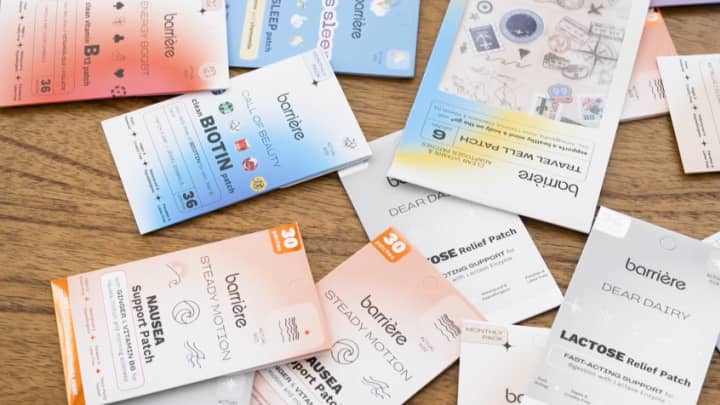
The global dietary supplement market surpassed $160 billion in 2022, a figure projected to approach $300 billion by 2030. Yet, a critical inefficiency plagues this burgeoning industry: the inherent limitations of oral ingestion. Studies consistently show that the bioavailability of many common vitamins, minerals, and botanicals when consumed orally can be alarmingly low, often below 10%. Gastric acids, digestive enzymes, and the liver's first-pass metabolism collectively degrade a substantial portion of active compounds before they ever reach systemic circulation. This translates to billions of dollars in consumer spending yielding suboptimal, often negligible, health outcomes. It is this profound gap in efficacy that Barrière is strategically targeting with its advanced wearable patch technology, poised to fundamentally disrupt how consumers approach supplementation.
Barrière's approach centers on transdermal delivery, a method long validated in pharmaceuticals but largely underexplored for general wellness supplements. Unlike pills or capsules that must traverse the harsh gastrointestinal tract, wearable patches deliver active ingredients directly through the skin into the bloodstream. This bypasses the digestive system entirely, circumventing first-pass metabolism and providing a more consistent, controlled release of compounds. Early internal trials by companies in this space suggest that certain nutrients delivered transdermally can achieve up to 80% higher bioavailability compared to their oral counterparts, a transformative increase in efficacy.
The Inefficiency of Ingestion: A $160 Billion Problem
The challenges with oral supplements are multifaceted. Beyond poor absorption, consumers face issues such as "pill fatigue," where adherence to complex daily regimens falters. Furthermore, the variability in individual digestive health, gut microbiome composition, and even the timing of meals can drastically alter nutrient absorption. A 2023 survey indicated that nearly 45% of supplement users report forgetting to take their daily doses at least once a week, highlighting a significant compliance problem that impacts long-term health benefits.
Oral Supplement Bioavailability:Many common nutrients exhibit bioavailability rates below 10-20% when ingested, leading to significant wasted consumer spend and diluted health benefits.
The market's persistent growth, despite these known inefficiencies, underscores a fundamental consumer desire for health optimization. From immune support and cognitive enhancement to stress reduction and beauty-from-within solutions, individuals globally are actively seeking ways to improve their well-being. This creates a fertile ground for innovative delivery systems that promise superior results and greater convenience. Traditional supplement manufacturers, often reliant on legacy production methods, have struggled to meaningfully address these fundamental absorption challenges at scale.
Transdermal Delivery: A Proven Pathway Reimagined
Transdermal drug delivery is not new. Nicotine patches have helped millions quit smoking since the late 1980s, while hormone replacement patches, fentanyl patches for pain management, and motion sickness remedies like scopolamine patches are all established pharmaceutical products. These applications demonstrate the skin's capacity as a reliable conduit for systemic drug delivery, providing consistent plasma concentrations over extended periods. The pharmaceutical transdermal patch market alone was valued at over $8 billion in 2022, showcasing its proven medical efficacy and commercial viability.
Barrière is leveraging these decades of pharmaceutical research and development, adapting advanced transdermal science to the supplement space. Their patches utilize a proprietary matrix of permeation enhancers and active ingredients encapsulated within specialized polymer layers. These layers are engineered to facilitate the controlled diffusion of molecules through the stratum corneum, the skin's outermost protective layer, and into the capillaries below. The result is a steady, sustained release of nutrients, avoiding the peak-and-trough concentrations often associated with single-dose oral supplements.
Barrière's Technological Edge and Targeted Disruption
Barrière's innovation lies not just in applying existing transdermal technology, but in optimizing it for a diverse range of supplement compounds. This involves addressing the varying molecular sizes and physiochemical properties of vitamins, minerals, adaptogens, and nootropics. Their R&D focuses on micro-encapsulation techniques and novel adhesive formulations that maximize permeation without causing skin irritation, a common pitfall for earlier generation patches. For instance, delivering water-soluble vitamins like B12 or larger molecules like certain peptides poses distinct challenges compared to smaller, lipid-soluble compounds.
The company is strategically targeting high-value, high-demand supplement categories where oral absorption is particularly problematic or where consistent dosing is critical. This includes areas such as magnesium for sleep and muscle function, Vitamin D for immune and bone health, and certain adaptogens for stress management. For example, magnesium, a vital mineral, often has oral bioavailability as low as 30% due to factors like laxative effects and chelation in the gut. A transdermal patch could significantly elevate systemic levels and reduce gastrointestinal side effects, directly addressing a common consumer complaint.
"The shift towards transdermal delivery in wellness is inevitable. For too long, the supplement industry has tolerated inefficiencies that would be unacceptable in pharmaceuticals. Companies like Barrière, by focusing on robust scientific validation and engineering elegant delivery systems, are not just creating new products; they are establishing a new standard for efficacy and consumer trust. The regulatory landscape, while complex, will ultimately adapt to support innovations that demonstrably improve health outcomes."
Dr. Anya Sharma, Biomedical Engineering Professor at ETH Zurich
Navigating the Regulatory Labyrinth
The path for Barrière is not without significant hurdles, particularly concerning regulation. The classification of wearable patches delivering supplements is ambiguous across different jurisdictions. In the United States, the Food and Drug Administration (FDA) typically regulates supplements differently from drugs or medical devices. A transdermal patch making specific health claims might be viewed as a drug delivery system, subjecting it to more stringent clinical trials and approval processes, a far costlier and longer endeavor than bringing a traditional supplement to market. Similarly, in the European Union, the European Medicines Agency (EMA) and national competent authorities would scrutinize such novel products closely, potentially classifying them under medical devices or even medicinal products, depending on their claims and mechanism of action.
Regulatory Complexity:The classification of transdermal supplement patches varies globally, potentially falling under supplements, cosmetics, medical devices, or even pharmaceuticals, impacting market entry and permissible claims.
Barrière must skillfully navigate these regulatory frameworks, potentially by making wellness claims that do not cross into therapeutic drug territory, or by meticulously documenting the safety and efficacy of their patches as advanced delivery systems for listed supplement ingredients. This requires significant investment in legal and regulatory expertise, alongside rigorous internal testing and quality control protocols. Companies operating in Australia or Canada face similar challenges with their respective regulatory bodies (TGA, Health Canada), which also maintain distinct classifications for natural health products, medical devices, and pharmaceuticals.
Consumer Acceptance and Market Adoption
Beyond regulatory hurdles, consumer acceptance is paramount. While the concept of a patch for consistent delivery is familiar from a medical context, its adoption for daily wellness supplements requires a shift in perception. Concerns about skin irritation, adhesive quality, aesthetics, and the perceived "medicalization" of supplements could slow widespread adoption. Barrière must invest heavily in product design, ensuring their patches are discreet, comfortable, hypoallergenic, and integrate seamlessly into daily routines.
Marketing and education will play a crucial role. Barrière needs to clearly articulate the scientific advantages of transdermal delivery over oral pills, addressing skepticism with transparent data on bioavailability and efficacy. Success will likely hinge on targeting early adopters who are already invested in health optimization and seeking superior results from their supplement regimens. Initial market penetration might focus on specific demographics, such as busy professionals seeking cognitive support or athletes requiring consistent nutrient delivery for recovery, before expanding to a broader audience.
The Economics of Innovation: Cost, Scalability, and Competition
Manufacturing sophisticated transdermal patches is inherently more complex and typically more expensive than producing standard oral tablets or capsules. The specialized materials, precise layering, and sterile production environments required for consistent quality translate into higher costs of goods sold (COGS). Barrière's long-term success will depend on its ability to scale production efficiently and achieve economies of scale without compromising quality or efficacy. Strategic partnerships with advanced manufacturing facilities experienced in medical device or pharmaceutical patch production will be critical.
The competitive landscape, while nascent, is evolving. Several smaller companies and startups are entering the transdermal supplement space, offering patches for specific vitamins, CBD, or energy boosts. Barrière's differentiation must come from superior scientific backing, validated efficacy, a broader product portfolio addressing diverse needs, and a strong brand built on trust and innovation. This also includes the potential for personalized patches, where dosages and ingredient combinations are tailored to individual needs based on biometric data or genetic profiles, representing a significant future growth vector.
The Future Frontier: Personalization and Integration
The long-term vision for companies like Barrière extends beyond simply replacing pills with patches. The precise, sustained delivery mechanism opens avenues for truly personalized nutrition. Imagine patches integrated with wearable health trackers that monitor specific biomarkers, then automatically adjust nutrient release or signal the need for a different formulation. This could transition supplementation from a generic, one-size-fits-all approach to a dynamic, data-driven system.
Barrière is at the forefront of a paradigm shift, challenging the entrenched norms of a multi-billion dollar industry. By prioritizing scientific rigor, advanced material science, and user-centric design, they aim to unlock the full potential of nutritional supplementation, offering a future where optimal health is achieved not just through what we consume, but through how effectively our bodies absorb it. The journey is complex, but the potential rewards for both consumers and innovators are immense.
Key Takeaways
The oral supplement market, valued over $160 billion, suffers from low bioavailability (often below 10%) due to gastric degradation and first-pass metabolism, leading to significant inefficiency.
Barrière's wearable patches leverage proven transdermal technology, bypassing the digestive system for potentially up to 80% higher and more consistent nutrient absorption, drawing parallels to successful pharmaceutical applications.
Disruption targets high-demand categories where oral absorption is problematic (e.g., magnesium, Vitamin D), utilizing proprietary permeation enhancers and micro-encapsulation techniques.
Significant challenges include navigating complex and ambiguous global regulatory frameworks (FDA, EMA) for novel delivery systems, and securing consumer acceptance through ergonomic design and transparent efficacy data.
Future opportunities lie in achieving economies of scale in manufacturing and exploring personalized nutrition solutions, potentially integrating with biometric data for dynamic, tailored supplementation.
Frequently asked questions
What are wearable patches and how do they improve supplement delivery?
Wearable patches are innovative transdermal systems that deliver nutrients directly through the skin, bypassing the digestive system. This method significantly improves bioavailability compared to traditional oral supplements, as it avoids gastric acid degradation and poor intestinal absorption.
Why is oral ingestion of supplements inefficient?
Oral ingestion often leads to low bioavailability because nutrients can be degraded by stomach acid, poorly absorbed in the intestines, or metabolized by the liver before reaching systemic circulation, resulting in less than 10% effectiveness for many compounds.
How large is the global dietary supplement market?
The global dietary supplement market reached over $160 billion in 2022 and is projected to grow substantially, potentially approaching $300 billion by 2030.
What is Barrière's goal in the supplement industry?
Barrière aims to disrupt the supplement industry by introducing wearable patches that overcome the inherent limitations and low bioavailability of orally consumed supplements, offering a more effective delivery method.
Are wearable patches more effective than pills?
Many studies suggest wearable patches can be more effective than pills for certain nutrients due to their ability to deliver compounds directly into the bloodstream, bypassing digestive issues that reduce the efficacy of oral supplements.
What types of nutrients can be delivered via wearable patches?
Wearable patches can deliver a wide range of vitamins, minerals, botanicals, and other active compounds, offering a versatile platform for various health and wellness needs.