As EV markets mature globally, battery and charging innovation are increasingly shaping investor sentiment as much as vehicle sales figures.
A race to eliminate range anxiety
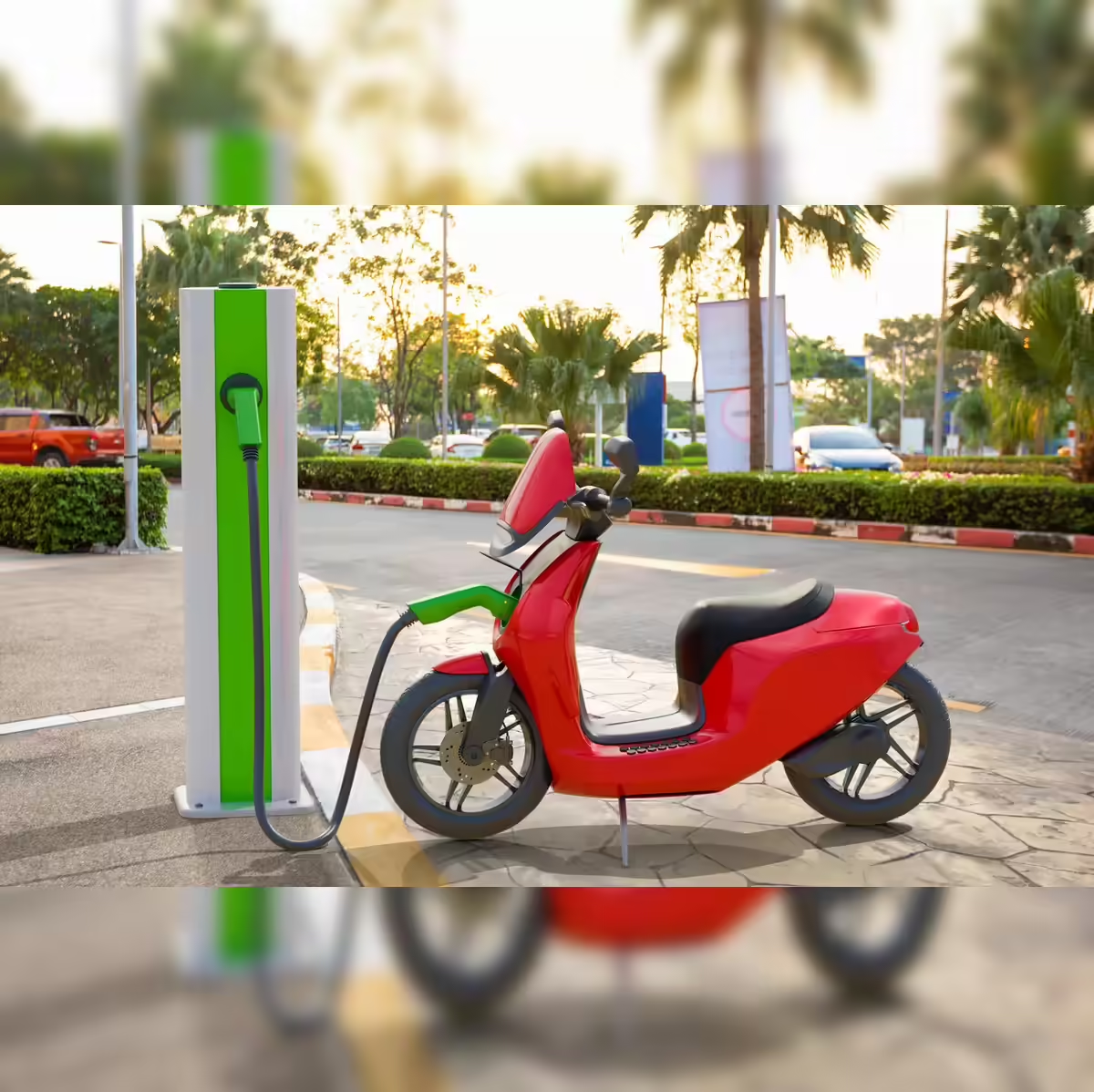
Fast charging has emerged as one of the most critical battlegrounds in the EV industry.
While battery range has steadily improved, charging time remains a friction point for consumers transitioning from gasoline vehicles. Ultra-fast charging technology that reduces wait times to minutes rather than tens of minutes can significantly reshape purchasing decisions.
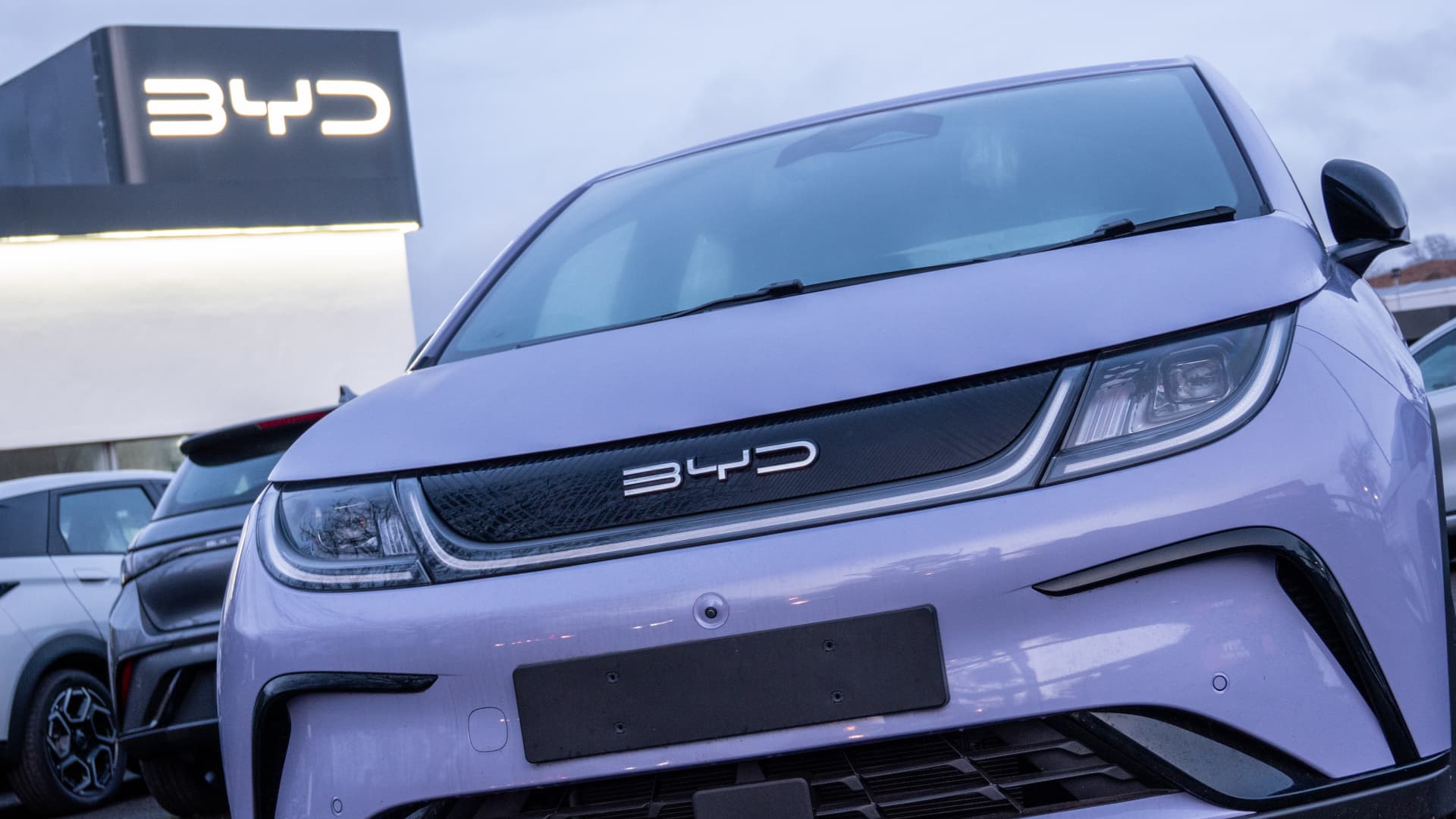
BYD’s latest breakthrough, according to company disclosures, aims to substantially shorten charging cycles while maintaining battery safety and longevity — two factors that have historically constrained aggressive fast-charging systems.
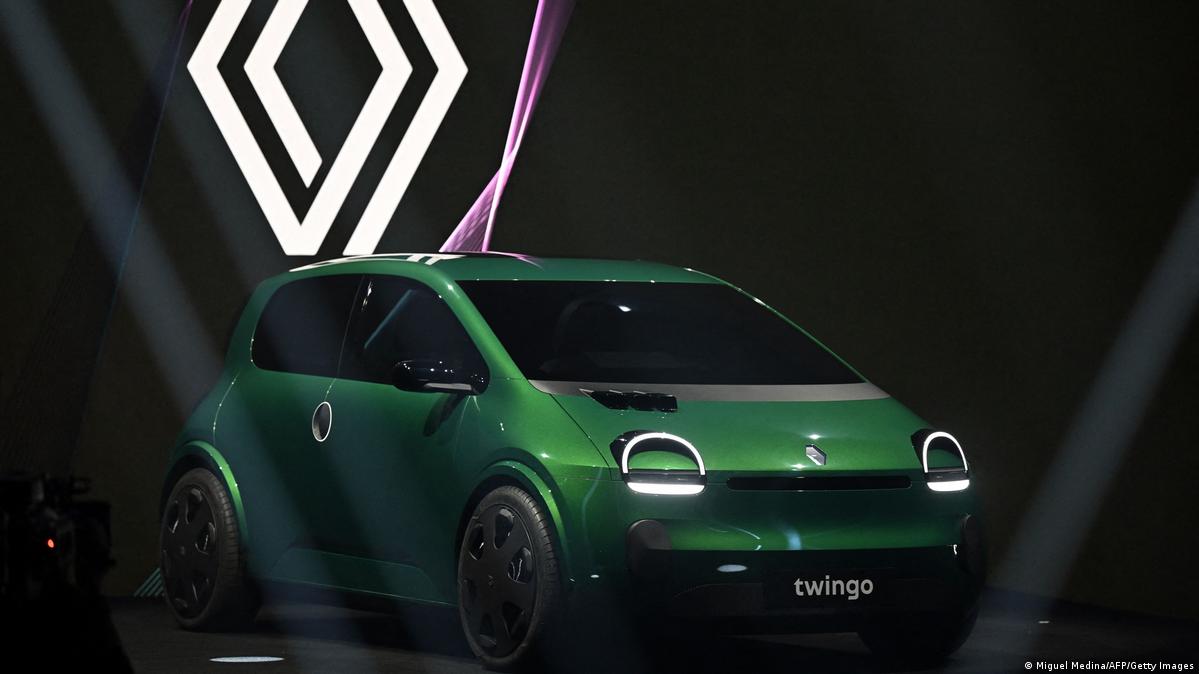
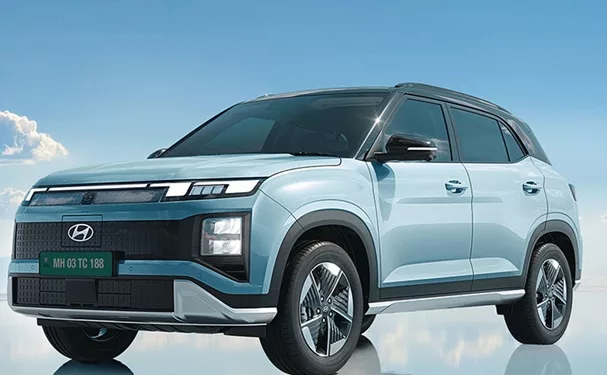
For global competitors including Tesla, Volkswagen and Hyundai, charging performance is now as strategically important as production scale.
Why markets responded
The stock rally signals investor belief that BYD’s innovation could strengthen its already formidable position in China’s EV market — the largest in the world.
China has become the epicenter of EV competition, with domestic manufacturers rapidly advancing battery chemistry, software integration and charging infrastructure.
BYD, which manufactures both vehicles and batteries in-house, holds a structural advantage in vertical integration. The company’s control over battery technology enables faster iteration compared to automakers reliant on third-party suppliers.
The new charging system could further reinforce that advantage.
Competitive ripple effects
Globally, the EV sector is shifting from subsidy-driven expansion to technology-driven differentiation.
In North America and Europe, EV adoption is increasingly influenced by infrastructure reliability and convenience rather than early-adopter enthusiasm.
If BYD’s fast-charging system proves scalable, it could:
• Accelerate domestic market share gains
• Increase pressure on Western automakers
• Influence global charging standards
• Boost investor confidence in vertically integrated EV models
For startups building charging infrastructure or battery management systems, faster charging technologies create new integration demands — from grid capacity management to thermal optimization.
Energy and grid implications
Ultra-fast charging systems require robust electrical infrastructure. High-capacity chargers draw significant power loads, raising questions about grid stability and deployment costs.
In China, where the state plays a strong role in infrastructure coordination, scaling such technology may face fewer barriers than in fragmented Western markets.
For global policymakers, advancements in charging speed intensify the need to modernize grid networks to support mass EV adoption.
The broader EV cycle
The announcement comes during a period of price competition and margin compression in the EV industry.
Chinese automakers have engaged in aggressive pricing strategies to capture market share, while global peers face slowing demand growth in some regions.
Technological innovation — particularly in batteries and charging — offers a pathway to defend margins without relying solely on price cuts.
For investors, BYD’s latest move reinforces the company’s positioning not just as a vehicle manufacturer, but as a battery technology leader.
Looking ahead
The long-term impact of BYD’s fast-charging breakthrough will depend on real-world performance, safety validation and infrastructure rollout.
However, the immediate market response underscores how central battery and charging technology have become in shaping EV valuations.
As the global automotive industry transitions toward electrification, the next phase of competition will be defined less by who can build EVs — and more by who can make them as convenient as gasoline cars.
BYD’s announcement suggests that race is accelerating.