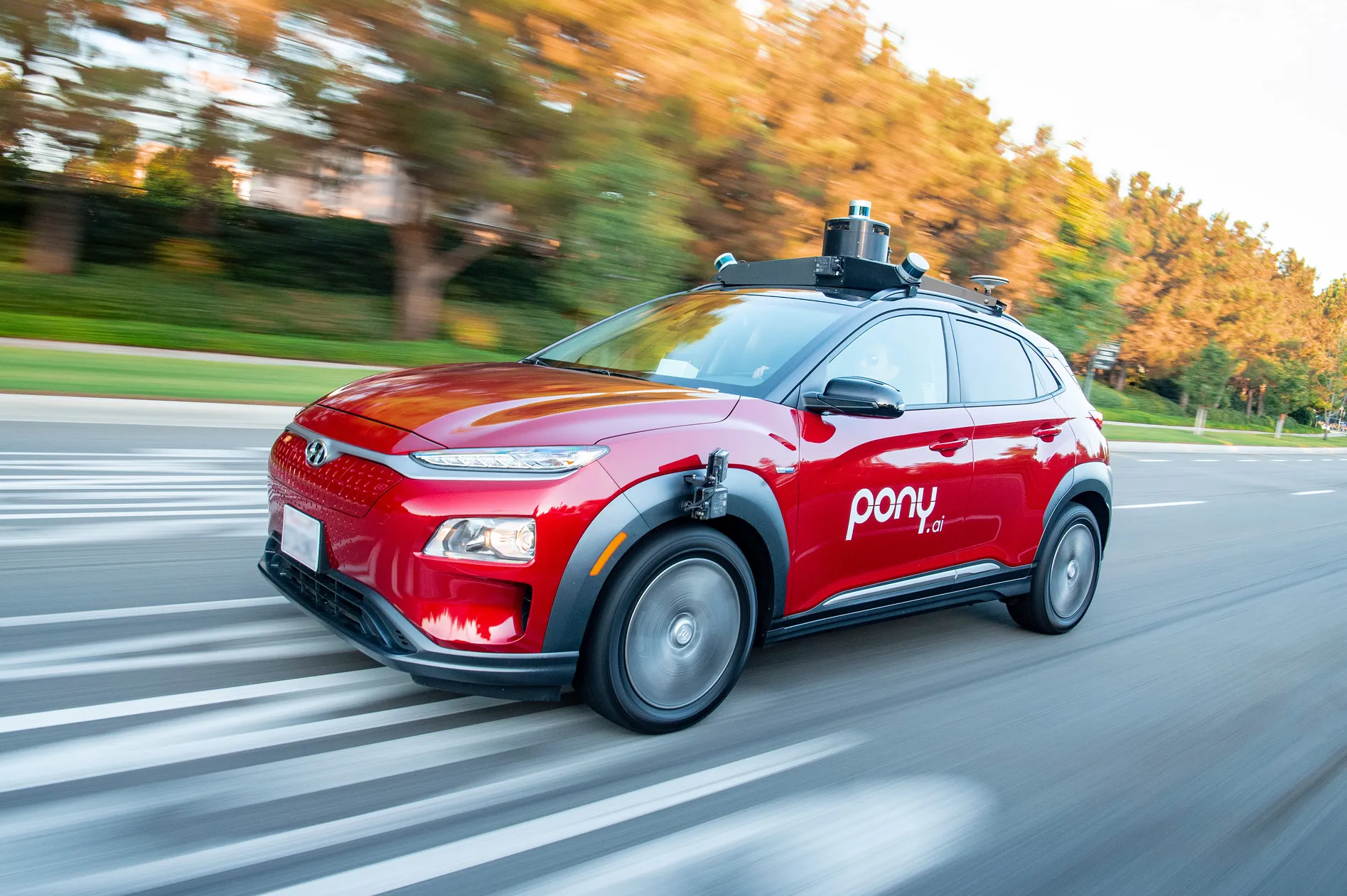
Pony.ai and WeRide are accelerating overseas deployments of their robotaxi fleets, reflecting growing ambitions to compete in global autonomous mobility markets. Both companies have built substantial testing and pilot programs within China, where regulatory sandboxes in major cities enabled early commercialization. However, domestic competition has intensified, and international expansion now represents the next growth frontier. The shift mirrors a broader trend among Chinese technology firms seeking diversified revenue streams amid evolving regulatory and economic dynamics at home.
Strategic Entry Into Overseas Markets
International robotaxi expansion requires more than exporting vehicles. Companies must navigate foreign regulatory frameworks, secure local partnerships, and adapt autonomous systems to new road conditions. For Pony AI and WeRide, overseas deployments serve both commercial and reputational objectives. Demonstrating operational capability in international markets strengthens global credibility, particularly as Western firms continue advancing their own AV strategies. While specific markets vary, expansion efforts often focus on regions receptive to pilot programs, including parts of the Middle East and Southeast Asia.
Competition in a Capital-Intensive Sector
Autonomous driving remains one of the most capital-intensive segments of mobility technology. Developing, testing, and maintaining fleets requires sustained funding and robust safety validation. Global competitors include U.S.-based AV developers and legacy automakers investing heavily in autonomy. By expanding internationally, Pony AI and WeRide are positioning themselves not merely as domestic leaders but as global mobility players.
This internationalization also helps hedge against slower rollout timelines or regulatory tightening in individual markets.
Revenue Models and Commercial Viability
Robotaxi economics remain under scrutiny worldwide. Companies must balance fleet utilization, maintenance costs, and safety oversight with competitive pricing. International markets offer opportunities to test scalable business models in varied urban environments. Some deployments focus on geofenced areas or airport shuttle routes, where controlled conditions can reduce operational complexity. Long-term viability will depend on achieving consistent autonomous performance while driving down per-mile costs.
Policy and Regulatory Dynamics
Autonomous vehicle regulation differs significantly across jurisdictions. Companies expanding overseas must secure local approvals and align with transportation authorities. For Chinese AV firms, entering Western or highly regulated markets may also involve navigating geopolitical sensitivities. However, mobility innovation remains a priority for many governments seeking to modernize urban transport systems. Demonstrating safe, commercially viable operations abroad can strengthen regulatory trust and investor confidence.
The Global AV Race Intensifies
The international push by Pony AI and WeRide reflects a broader acceleration in the global autonomous vehicle race. While early enthusiasm around self-driving cars cooled in prior years due to safety setbacks and commercialization delays, progress has continued steadily. Robotaxi fleets are now operating in limited zones across multiple continents. Companies able to demonstrate operational reliability at scale may secure strategic partnerships with cities and transportation authorities.
What It Signals
Pony AI and WeRide’s overseas expansion underscores a maturation phase in the autonomous vehicle industry. Rather than focusing solely on technological milestones, firms are now pursuing geographic diversification and revenue generation. For global mobility markets, the entry of additional international players intensifies competition. Autonomous driving is no longer a regional experiment. It is becoming a global infrastructure race — where scale, safety, and regulatory navigation determine leadership.