Hardware vs. Software
Tesla has long promoted FSD as a software-driven evolution, delivered via over-the-air updates.
However, Musk’s latest comments underscore a structural constraint: autonomy at higher levels may require more advanced onboard computing power than earlier vehicles possess.
Tesla has iterated through multiple generations of its FSD computer hardware. Vehicles equipped with older versions may not have sufficient processing capacity to support future autonomous capabilities at scale.
The distinction matters. While software updates can be pushed remotely, hardware upgrades require physical intervention — and cost.
Scope of the Upgrade
Millions of Teslas have been sold globally over the past several years.
If a substantial portion require new AI chips or revised sensor configurations, Tesla faces a logistical and financial challenge. The company must determine whether upgrades will be covered under prior FSD purchases or require additional payments from owners.
Tesla has previously offered hardware retrofits for customers who purchased FSD packages under earlier assumptions of future capability.
Musk’s admission suggests that similar programs may expand.
Financial and Operational Impact
Autonomy has been central to Tesla’s valuation narrative.
Recurring FSD subscriptions and potential robotaxi deployment remain key pillars of long-term growth projections.
If scaling full autonomy requires retrofitting legacy vehicles, margins and timelines could shift.
Operationally, coordinating large-scale hardware replacements across service centers would add complexity at a time when Tesla is also expanding production and AI infrastructure.
Regulatory and Consumer Expectations
Regulators already scrutinize Tesla’s use of the term “Full Self-Driving,” given that current systems require driver supervision.
Acknowledging hardware limitations reinforces that autonomy remains an evolving target rather than a completed milestone.
For consumers, the message may temper expectations around immediate rollout of unsupervised driving capabilities.
Transparency about hardware requirements could mitigate future disputes over performance claims.
The Broader Autonomy Landscape
The automotive industry continues to grapple with the balance between incremental driver-assist systems and fully autonomous vehicles.
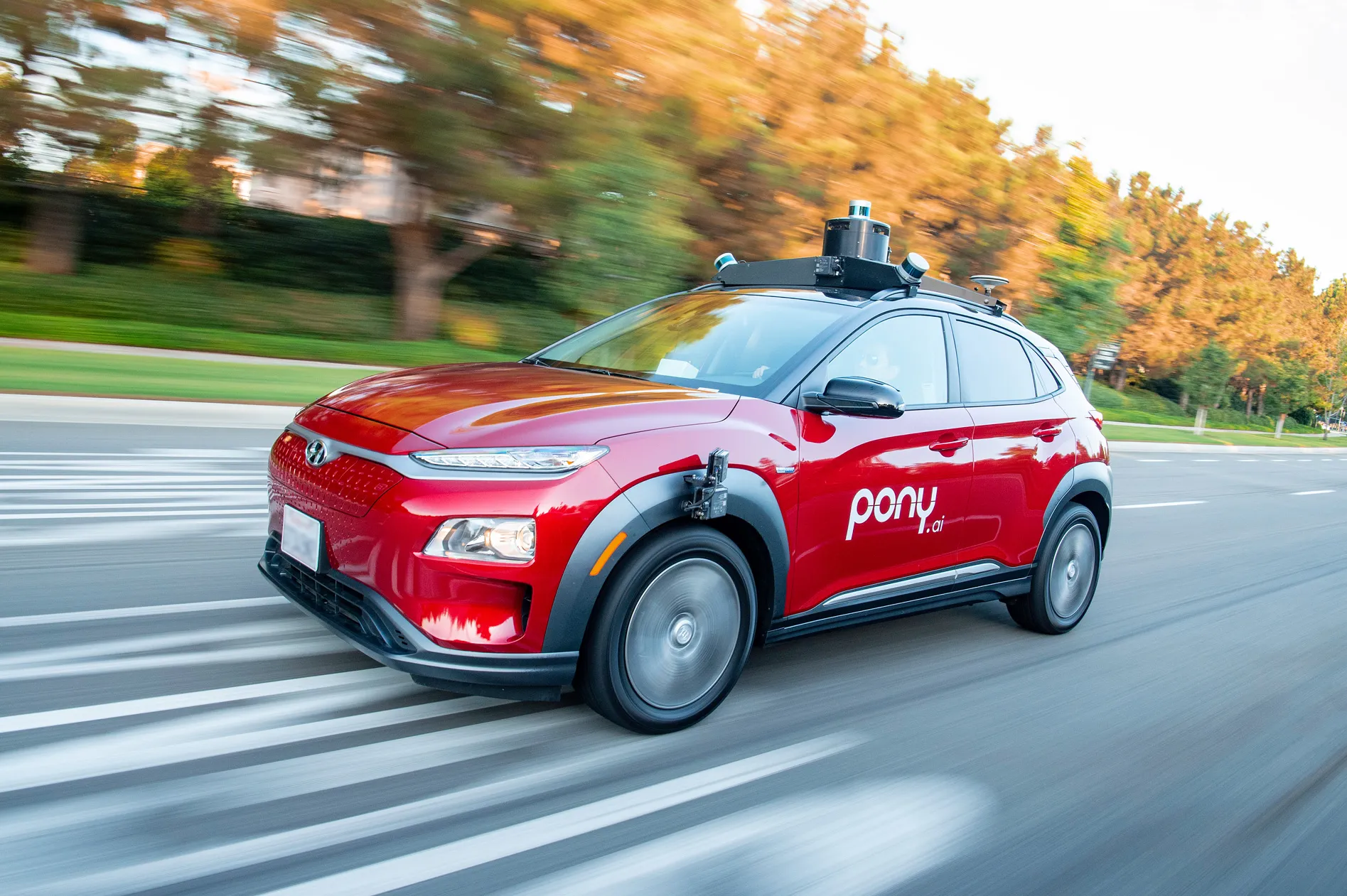
Competitors pursuing autonomy often deploy more expensive sensor stacks, including lidar, while Tesla relies heavily on camera-based vision systems and in-house AI chips.
Hardware iteration is not unusual in cutting-edge technology development.
But scaling upgrades across millions of vehicles adds a unique dimension to Tesla’s autonomy roadmap.
What It Signals
Musk’s acknowledgment signals a transition from aspiration to engineering reality.
True autonomy is not simply a software toggle.
It depends on computational horsepower, sensor integration and regulatory clearance.
For Tesla, the path to fully autonomous driving now appears to involve not only code updates — but potentially widespread hardware renewal.
In the race toward self-driving vehicles, the future may require rebuilding parts of the present.