India's Reliance eyes CATL and global suppliers for battery energy storage system components, fueling its renewable ambitions despite evolving Chinese tech export policies.
Reliance Industries Ltd. is reportedly engaged in discussions with Contemporary Amperex Technology Co. Ltd. (CATL) and other prominent global suppliers to procure components for its battery energy storage systems, a strategic move poised to solidify India's largest company's renewable energy ambitions while navigating increasingly restrictive Chinese technology export policies. These talks signal a potential diversification of its supply chain for the crucial Jamnagar facility, which is envisioned as India's largest energy storage complex, supplementing existing partnerships that have recently encountered hurdles.
The deliberations could establish a vital secondary source for battery components at Reliance's upcoming Jamnagar complex in Gujarat, according to individuals familiar with the private discussions who requested anonymity. This initiative aims to bolster supplies beyond its current arrangement with Xiamen Hithium Energy Storage Technology Co., a partnership that has faced operational challenges in recent months. This strategic pivot follows Reliance's difficulties in fully accessing the proprietary technological expertise required for domestic lithium-ion battery cell production, prompting the Indian conglomerate to prioritize the integration of pre-made cells into large-scale battery systems as Beijing intensifies controls on core battery technology exports.
Chairman Mukesh Ambani's vision to position Reliance as a dominant force in India's clean energy transition hinges significantly on the Jamnagar facility. This complex, alongside others, is expected to play an instrumental role in strengthening the nation's electricity grid as India aggressively pursues its target of 500 gigawatts of renewable power capacity by 2030. A Reliance spokesperson, responding to an emailed query, stated that the company continuously evaluates various opportunities but refrains from commenting on "media speculation and rumors," committing to necessary stock exchange disclosures as and when required. A representative for CATL, the world's preeminent battery manufacturer, did not provide a comment regarding the ongoing discussions.
What It Means
This development underscores a significant strategic recalibration for Reliance in its pursuit of clean energy dominance, shifting from an initial emphasis on technology transfer for domestic cell manufacturing to a more pragmatic approach of sourcing ready-made components to leverage China's established production scale. For investors, this move could de-risk Reliance's aggressive renewable energy timeline by securing a more robust supply chain, potentially accelerating project deployment and enhancing the viability of its ambitious green energy portfolio. However, it also highlights the geopolitical complexities and technological dependencies inherent in global clean energy transitions, particularly for nations aiming for energy independence.
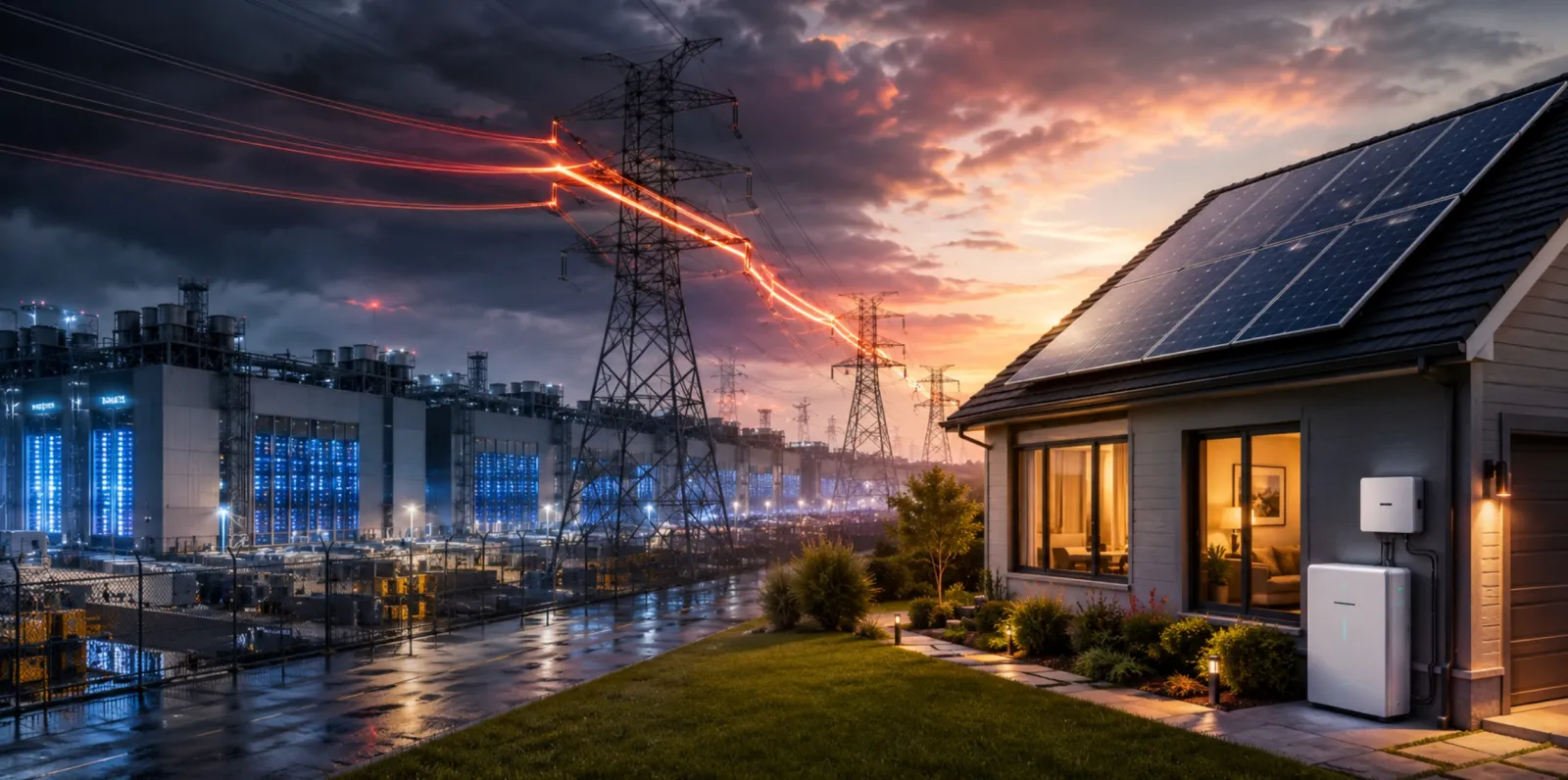
From a national perspective, the success of Reliance's Jamnagar complex is critical for bolstering India's electricity grid, which faces increasing strain as the country rapidly scales up renewable power capacity. Reliable, large-scale battery energy storage systems are indispensable for integrating intermittent renewable sources like solar and wind into the grid, ensuring stability and consistent power supply for end-users. This pivot towards sourcing components rather than full technology transfer could expedite the deployment of such critical infrastructure, serving India's broader energy security goals and its ambitious climate targets.
India's energy storage market is projected to expand to 336.7 GWh by the end of 2035, representing a 115-fold increase from cumulative installations in 2025, according to BloombergNEF.
The Context
Reliance and CATL had previously explored a potential technology transfer agreement that would have enabled Reliance to domestically manufacture battery cells using CATL’s proprietary technology. Those earlier discussions, however, ultimately failed to materialize into an agreement, leading Reliance to establish its primary Battery Energy Storage Systems (BESS) partnership with Xiamen Hithium. The current talks represent a different strategic approach, focusing on procuring products to capitalize on China's massive battery production capabilities rather than seeking deep technological access.
The competitive landscape in India's burgeoning battery storage market is intensifying, attracting interest from global players and other domestic conglomerates. Gautam Adani, chairman of India's Adani Group, notably visited CATL's headquarters in China last year, touring its advanced automated energy storage production lines, indicating broader Indian interest in Chinese battery expertise. Concurrently, Ningde-based CATL is aggressively expanding its global manufacturing footprint, with operational plants in Germany and Hungary, and plans for further expansion into regions like Spain. The company is also navigating U.S. market access through technology licensing partnerships with major automotive manufacturers such such as Ford Motor Co. and Tesla Inc. This diversification strategy extends beyond electric vehicle batteries into energy storage systems, with India representing a key new market for the fast-growing opportunity in big battery systems.
The outcome of these renewed discussions between Reliance and CATL remains uncertain regarding a definitive partnership. Key triggers to watch include any formal announcements from either company regarding supply agreements or joint ventures, which would significantly impact Reliance's stock performance and market positioning within the renewable energy sector. Further, the evolving geopolitical landscape concerning technology exports from China and India's broader industrial policy for indigenous manufacturing will continue to shape future strategic decisions for all stakeholders in this critical energy transition market.
Frequently asked questions
What company is Reliance reportedly talking to for battery parts?
Reliance Industries Ltd. is reportedly engaged in discussions with Contemporary Amperex Technology Co. Ltd. (CATL), a Chinese battery behemoth, among other global suppliers. These talks are for procuring components for its battery energy storage systems.
Why is Reliance seeking these battery components?
Reliance aims to solidify its renewable energy ambitions and develop battery energy storage systems, a strategic move for India's largest company in the green energy sector, supporting its transition to clean energy.
What role do Chinese technology export policies play in these talks?
Reliance is navigating increasingly restrictive Chinese technology export policies, indicating a strategic effort to secure crucial components despite geopolitical complexities and ensure supply chain resilience.
What are battery energy storage systems?
Battery energy storage systems (BESS) are devices that store electrical energy for later use, crucial for integrating intermittent renewable energy sources like solar and wind into the grid and ensuring energy stability.
Is CATL a major player in the battery industry?
Yes, Contemporary Amperex Technology Co. Ltd. (CATL) is widely recognized as a Chinese battery behemoth and one of the world's leading suppliers of advanced battery technology for electric vehicles and energy storage.
How does this impact India's renewable energy sector?
This move by Reliance is poised to significantly bolster India's renewable energy ambitions by ensuring a robust supply chain for critical battery components needed for large-scale energy storage, accelerating the country's green energy transition.