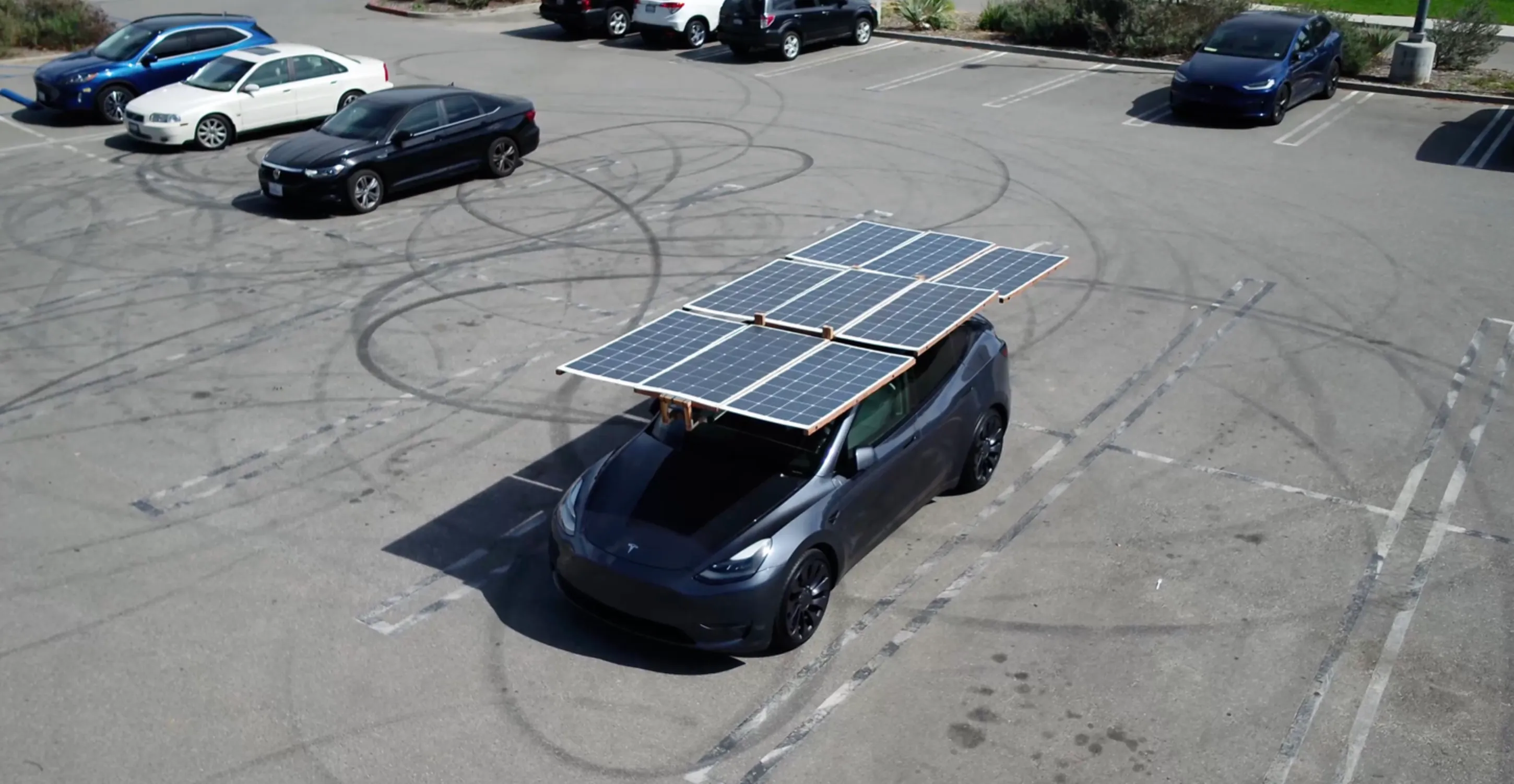
Tesla's ambitious Solar Roof tiles face a precarious future as the company increasingly pivots its strategy towards conventional solar panels.
The ambitious vision of an invisibly integrated solar-powered home, championed by Tesla with its Solar Roof tiles, appears to be navigating a precarious path. What was once heralded as a revolutionary leap in residential energy generation now finds itself increasingly sidelined, effectively on strategic life support, as the company sharpens its focus on the more conventional and scalable solar panel market.
Launched with much fanfare in 2016, the Tesla Solar Roof sought to disrupt not just the energy sector but also construction aesthetics. It promised homeowners a durable, beautiful roofing solution that generated electricity without the visual intrusion of traditional panels. Yet, years later, its deployment remains limited, its production scale modest, and its strategic priority seemingly diminished within the sprawling Tesla empire. The narrative has shifted from transformative innovation to a pragmatic retreat towards established solar technology, leaving many to wonder about the long-term viability of the sleek glass tiles.
The Grand Vision and Its Earthly Constraints
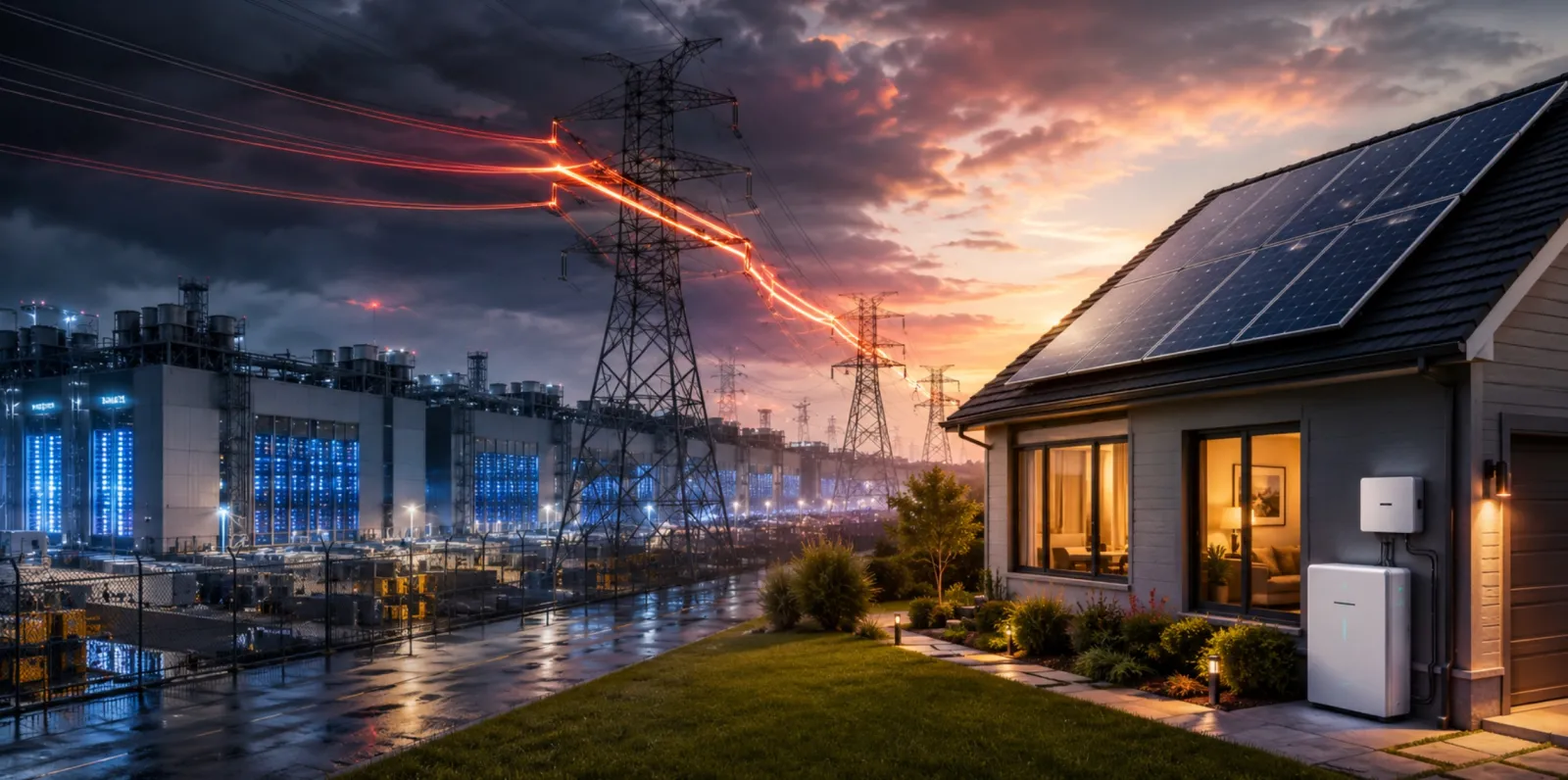
The genesis of the Tesla Solar Roof was deeply rooted in the integrated sustainable ecosystem envisioned by Elon Musk. "The future is beautiful, it's electric, and it's powered by the sun," Musk declared at its unveiling. The idea was compelling: perfectly integrated solar cells within tempered glass tiles, indistinguishable from high-end roofing materials, coupled with Powerwall battery storage and an electric vehicle charger. This would create a self-sufficient, aesthetically pleasing energy hub for the modern home. The acquisition of SolarCity for approximately $2.6 billion in 2016, a move criticized by some investors as a bailout, was intended to provide the necessary solar expertise and installation infrastructure to realize this ambition.
However, translating this vision into mass-market reality proved exceptionally challenging. Manufacturing the specialized glass tiles, each containing a high-efficiency monocrystalline silicon solar cell, at scale and at a competitive cost became a monumental hurdle. The Buffalo Gigafactory, designated for Solar Roof production, faced significant ramp-up issues, leading to production delays and constrained output. The installation process itself was far more complex and labor-intensive than traditional panel installations, requiring specialized training and meticulous attention to detail, further inflating costs and extending project timelines. Early customers often reported long waits, fluctuating price estimates, and a demanding installation process that sometimes spanned weeks.
An Analyst's Scrutiny: Market Dynamics and Economic Realities
From an analytical standpoint, the Tesla Solar Roof has struggled to achieve market penetration and economic viability against a backdrop of rapidly declining costs for traditional solar panels. "While the aesthetic appeal of the Solar Roof is undeniable, its economics have simply not aligned with broader market trends," notes Dr. Anya Sharma, a senior energy market analyst at Global Renewables Insight. "The residential solar market is fiercely competitive, driven largely by return on investment and upfront cost. Traditional panels, with efficiencies now routinely exceeding 20-22% and installation costs plummeting, offer a far more compelling value proposition for the vast majority of homeowners."
Tesla's overall solar deployment numbers, while increasing from their post-SolarCity acquisition lows, remain a fraction of the market leaders. In the fourth quarter of 2023, Tesla reported deploying 348 megawatts of solar, a figure that includes both Solar Roof and traditional panel installations globally. This pales in comparison to dedicated solar installers like Sunrun, which consistently installs gigawatts annually across its operating regions. The Solar Roof's contribution to Tesla's total solar megawatts deployed has remained relatively minor, often estimated in the low double-digit percentages, signaling its niche status. The product has struggled to move beyond high-end early adopters willing to pay a premium for aesthetics and brand prestige, rather than pure economic efficiency.
Tesla Solar Deployment (Q4 2023)
Total Solar Deployed: 348 Megawatts
This figure includes both Solar Roof and traditional solar panel installations globally.
The User Experience: Aesthetic Triumph, Practical Trials
For early adopters, the experience with the Tesla Solar Roof has been a mixed bag, often characterized by extreme patience and a strong belief in the Tesla brand. "When we finally got our Solar Roof installed in late 2021, after waiting nearly three years from our initial deposit, the visual transformation was stunning," shares Michael Chen, a homeowner in Southern California. "It truly looks like a regular, beautiful roof, and we generate all our own power, which is incredible. The Powerwall integration is seamless."
However, Chen's journey also reflects common frustrations. "The initial cost estimate was significantly lower than the final price we paid, even after some adjustments from Tesla. The installation process was arduous, with crews on site for weeks. We've also had a few service calls for minor issues, and getting timely support can be challenging." Other users have reported long lead times for repair parts, complex warranty claims, and the reality that despite its high-tech nature, it's still a roof exposed to the elements. The promise of a seamless, worry-free energy solution has sometimes been overshadowed by the complexities of a cutting-edge product in its early stages of mass deployment.
The Investor's Lens: A Distraction or a Future Bet?
From an investor's perspective, the Tesla Solar Roof has largely been viewed as a capital-intensive project with limited returns, often overshadowed by the meteoric growth and profitability of Tesla's automotive division. "While the energy division provides diversification, the Solar Roof specifically has been a relatively minor contributor to Tesla's top line and has likely consumed significant R&D and capital expenditure without commensurate revenue generation," explains Sarah Jenkins, a portfolio manager focusing on clean energy technologies at Apex Capital. "For many years, it felt like an ambitious science project rather than a scalable product ready for mass market adoption. The core investment thesis in Tesla has always been EVs and, more recently, AI and robotics, not residential roofing."
The high upfront costs for manufacturing and installation, coupled with a limited addressable market, have meant that the Solar Roof has not meaningfully moved the needle for Tesla's overall financial performance. While the company continues to report energy generation and storage deployments, the strategic emphasis has visibly shifted. Investors are keen to see profitable, scalable ventures, and the Solar Roof, despite its innovative appeal, has yet to demonstrate that it can be a significant profit driver or market leader.
The Pivot to Panels: A Pragmatic Retreat
Acknowledging the formidable challenges and the enduring demand for more conventional solar solutions, Tesla has demonstrably pivoted its solar strategy towards standard panel installations. While the Solar Roof remains available, its marketing visibility has been significantly reduced, and the company's focus in its energy sector communications increasingly highlights its Powerwall battery storage and traditional solar panel offerings. This strategic shift is pragmatic:
**Scalability:** Standard solar panels are a mature technology with established supply chains, manufacturing processes, and installation methodologies. Tesla can scale its panel installations much faster and more cost-effectively than its proprietary roof tiles.
**Cost-Effectiveness:** Traditional panels offer a significantly lower upfront cost per watt, making them accessible to a much broader demographic of homeowners globally.
**Market Demand:** The global market for traditional rooftop solar is robust and growing rapidly, driven by energy independence, environmental concerns, and economic incentives.
**Powerwall Synergies:** Tesla's Powerwall battery storage system remains a highly successful and sought-after product. Pairing Powerwall with standard solar panels allows Tesla to capture a significant share of the distributed energy market without the complexities of the Solar Roof.
This pivot signifies that the Tesla Solar Roof is on life support in terms of becoming a mainstream product. It’s not dead, but its role has been redefined. It now serves a niche, premium market where aesthetics are paramount and cost is a secondary concern, rather than the mass-market disruptor it was initially envisioned to be.
Key Takeaways: Tesla Solar Roof's Evolution
Ambitious Start: Launched with high hopes to revolutionize residential solar and roofing aesthetics.
Production Hurdles: Manufacturing complexity, high costs, and slow installation plagued early adoption.
Niche Market: Primarily serves high-end customers prioritizing aesthetics over pure economic efficiency.
Strategic Pivot: Tesla has shifted focus and resources towards conventional solar panels and Powerwall.
Limited Global Impact: Despite global aspirations, deployment remains largely concentrated in select regions.
Global Implications and the Future of Energy
Globally, the push for renewable energy solutions continues unabated. From Europe's ambitious decarbonization targets to Australia's high rooftop solar penetration and Asia's burgeoning clean energy markets, the demand for residential solar power is immense. Tesla's pivot towards standard panels positions it to better compete in these diverse markets, where practical, cost-effective solutions often take precedence over revolutionary, albeit expensive, integrations.
The Solar Roof, while perhaps not achieving its initial mass-market potential, has undeniably pushed the boundaries of what's possible in integrated solar technology. Its existence has influenced competitors and demonstrated a proof of concept for building-integrated photovoltaics (BIPV). However, the market has shown a clear preference for efficiency, affordability, and ease of deployment. For Tesla, the future of its energy division likely lies in leveraging its brand strength and battery technology alongside conventional solar solutions, rather than banking on the widespread adoption of its visually stunning but logistically challenging Solar Roof. The dream of the invisible solar roof persists, but for now, it operates in the shadow of its more pragmatic panel brethren, a testament to the harsh realities of bringing truly disruptive technology to scale in a cost-sensitive global market.
Frequently asked questions
What is the current status of the Tesla Solar Roof?
The Tesla Solar Roof is facing significant challenges and appears to be on strategic life support. Tesla is increasingly shifting its focus and resources towards the more conventional and scalable solar panel installations, rather than its integrated roof tiles.
Why is Tesla pivoting away from its Solar Roof?
Tesla is shifting focus to traditional solar panels due to the higher costs, complexity, and slower installation times associated with the Solar Roof tiles, seeking greater scalability and profitability.
Are Tesla Solar Roof tiles still available for purchase?
While technically still available in some regions, Tesla's emphasis has clearly moved away, making new installations less common and potentially harder to acquire compared to their standard panels.
What are the main differences between Tesla Solar Roof and traditional solar panels?
The Solar Roof integrates solar cells directly into aesthetic roof tiles, while traditional panels are mounted on top of an existing roof. Solar Roof offers seamless aesthetics but often higher cost and complexity.
Is Tesla still committed to residential solar energy?
Yes, Tesla remains committed to residential solar, but primarily through its traditional solar panel offerings and Powerwall battery storage systems, rather than the Solar Roof.
What are the alternatives to the Tesla Solar Roof for homeowners?
Homeowners can explore traditional solar panel installations from various providers, or consider other integrated solar roofing solutions from different manufacturers.