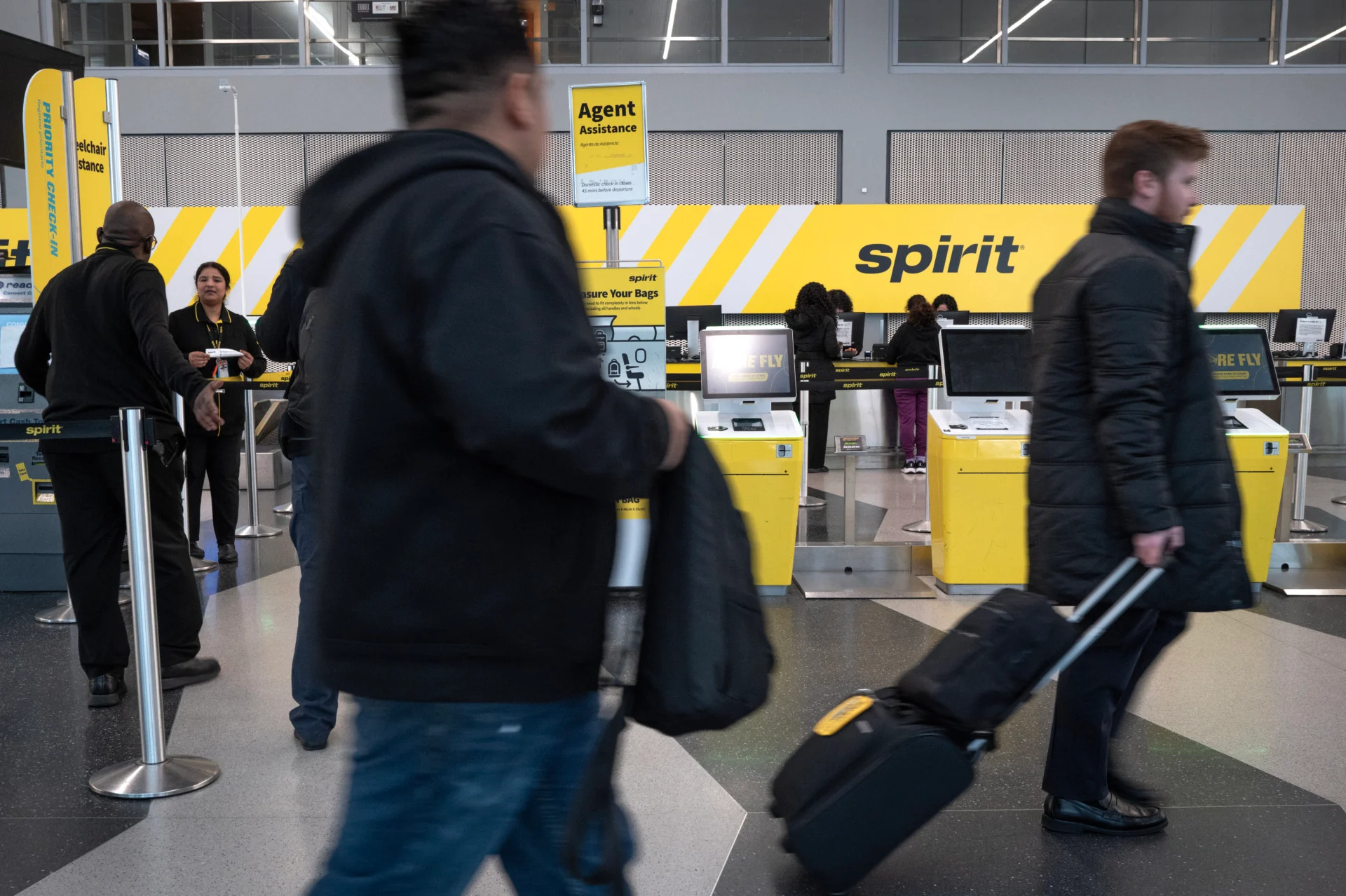
Soaring ATF prices, geopolitical tensions, and demand surge drive airfare hikes across Asia, impacting budget carriers.
Air travel costs across South and Southeast Asia are projected to increase by 15-20% over the next 12-18 months due to escalating Aviation Turbine Fuel (ATF) prices, geopolitical instability, and surging post-pandemic demand.
This price surge will disproportionately impact budget carriers and regional routes, potentially dampening the robust recovery observed in the aviation sector and challenging the growth of emerging traveltech startups.
Airlines are contending with a confluence of factors including depreciating local currencies, a global shortage of MRO (Maintenance, Repair, and Overhaul) parts, and an acute scarcity of skilled aviation personnel, all contributing to operational overheads.
Consumers in key markets like India, Indonesia, and Vietnam should anticipate dynamic pricing models, increased ancillary charges, and reduced availability of promotional fares as airlines strive to maintain profitability amidst mounting pressures.
The situation presents a critical juncture for travel booking platforms and flight aggregators, pushing them to innovate with flexible booking options, subscription models, and AI-driven fare prediction tools to retain market share.
Travelers across South and Southeast Asia are bracing for a significant escalation in airfares, a trend set to reshape regional tourism and business travel. The aviation sector, after a strong post-pandemic resurgence, is now confronting a perfect storm of rising input costs, geopolitical uncertainties, and an unprecedented demand surge that will push ticket prices upwards by an estimated 15-20% in the coming year. This development poses a considerable challenge for airlines like India's IndiGo, Malaysia's AirAsia, and Indonesia's Lion Air, as they navigate volatile fuel markets and operational bottlenecks while striving to maintain competitive pricing.
The primary driver behind this impending price hike is the relentless rise in Aviation Turbine Fuel (ATF) prices, which typically constitute 30-40% of an airline's operational expenditure. Coupled with a depreciating Indian Rupee and other regional currencies against the US Dollar, the cost of importing fuel, aircraft parts, and leasing arrangements has soared. This creates a challenging environment for carriers that rely on high load factors and efficient cost structures to thrive in highly competitive markets.
Industry experts indicate that the current supply chain disruptions, a lingering effect of the global pandemic, are further exacerbating the situation. The shortage of critical MRO (Maintenance, Repair, and Overhaul) components, coupled with a dearth of skilled pilots and ground staff, leads to increased maintenance costs and operational delays, which airlines are inevitably passing on to consumers. "The era of ultra-cheap flights, particularly for last-minute bookings, is rapidly drawing to a close as airlines prioritize yield management over volume," stated Akash Sinha, a senior aviation analyst at Capstone Consulting, told Inc42.
India's domestic air passenger traffic reached 15.2 Crore (approximately 152 million) in 2023, marking a 23.3% year-on-year growth. The overall South and Southeast Asian aviation market is projected to reach a valuation of $250 Billion (INR 20.8 Lakh Crore) by 2028, reflecting immense growth potential despite cost pressures.
The Underlying Economic & Geopolitical Pressures
The global crude oil market remains highly volatile, influenced significantly by ongoing geopolitical tensions in Eastern Europe and the Middle East, directly impacting ATF prices. Any disruption in major oil-producing regions quickly translates into higher fuel costs for airlines worldwide, with Asian carriers being particularly vulnerable due to their reliance on imported fuel. This unpredictability makes long-term operational planning and fare setting incredibly complex for airline management teams.
Beyond fuel, global inflation is pushing up the costs of everything from catering services and ground handling to insurance premiums. Furthermore, some governments are considering or have implemented new environmental levies and carbon taxes, adding another layer of expense that airlines must absorb or transfer to their passengers. This intricate web of economic pressures is forcing airlines to re-evaluate their entire operational models and pricing strategies.
Impact on TravelTech Startups & What's Next
For the vibrant traveltech ecosystem in South and Southeast Asia, this shift presents both significant challenges and opportunities. Startups focused on flight aggregation, dynamic pricing, and personalized travel planning, such as Ixigo in India or Traveloka in Indonesia, will need to innovate rapidly to help consumers navigate these higher costs. Their ability to offer value-added services, flexible booking options, and transparent pricing will be crucial for retaining market share.
The rising fares could accelerate the adoption of alternative travel options, prompting traveltech platforms to diversify into rail, bus, or even carpooling aggregation, especially for shorter regional distances. Moreover, airlines themselves might invest more heavily in loyalty programs and subscription models to secure passenger commitments, creating new avenues for collaboration or competition with existing traveltech players. "Innovation in payment solutions, BNPL (Buy Now, Pay Later) for travel, and AI-driven itinerary optimization will become non-negotiable for traveltech platforms aiming to thrive in this new high-cost environment," commented Meena Iyer, CEO of a Singapore-based travel booking startup, TripConnect, told Inc42.
Average airfares on popular routes within India and Southeast Asia have already seen an increase of 8-12% in Q1 2024 compared to the previous year, with peak season surges reaching up to 30%. This trend is expected to continue, challenging the affordability of air travel for a segment of leisure travelers.
The long-term outlook suggests that while demand for air travel remains strong, particularly in emerging economies, airlines will likely focus on optimizing routes, upgrading fleet efficiency, and enhancing ancillary revenue streams to offset increased costs. Consumers, in turn, will become more price-sensitive and discerning, driving a greater reliance on advanced booking tools and strategic travel planning. The air travel landscape in South and Southeast Asia is undeniably entering a new, more expensive chapter, prompting all stakeholders to adapt to a future where affordability will be a key differentiator.
Frequently asked questions
Why is air travel getting more expensive in Asia?
Air travel costs in South and Southeast Asia are projected to increase by 15-20% due to escalating Aviation Turbine Fuel (ATF) prices, geopolitical instability, and surging post-pandemic demand. This surge is expected over the next 12-18 months.
What factors are driving the increase in airfare prices?
The primary factors include rising Aviation Turbine Fuel (ATF) prices, ongoing geopolitical instability affecting supply chains and routes, and a strong rebound in travel demand post-pandemic.
Which regions will be most affected by these price hikes?
The price increases are specifically projected for South and Southeast Asia, with a disproportionate impact expected on budget carriers and regional routes within these areas.
How much are air travel costs expected to rise?
Air travel costs are projected to increase by 15-20% over the next 12-18 months in the affected regions.
Will budget airlines be impacted more by these price increases?
Yes, the article preview indicates that the price surge will disproportionately impact budget carriers, making their already competitive pricing more challenging.
What is the timeframe for these projected price increases?
The projected increase of 15-20% in air travel costs is expected to occur over the next 12-18 months.