Texas as Strategic Ground Zero
Texas has emerged as a critical geography for Tesla’s mobility strategy. The state offers a relatively permissive regulatory environment for autonomous vehicle testing and deployment, along with fast-growing urban centers suited to ride-hailing demand.
Dallas and Houston provide dense commercial corridors, suburban sprawl and mixed traffic conditions — ideal proving grounds for refining AI-driven navigation systems.
By expanding in Texas rather than more tightly regulated states, Tesla can iterate operationally while scaling service availability.
From Full Self-Driving to Fleet Service
Tesla’s robotaxi push builds on years of development around its Full Self-Driving (FSD) software stack. The company relies on camera-based vision systems and neural network training rather than lidar-centric hardware approaches used by some competitors.
Deploying a commercial robotaxi service transforms the business model. Instead of selling vehicles to individual consumers, Tesla can monetize autonomous miles directly through ride fares.
That shift could significantly alter the company’s revenue mix over time, particularly if fleet utilization proves economically viable.
Competitive Landscape in Autonomous Mobility
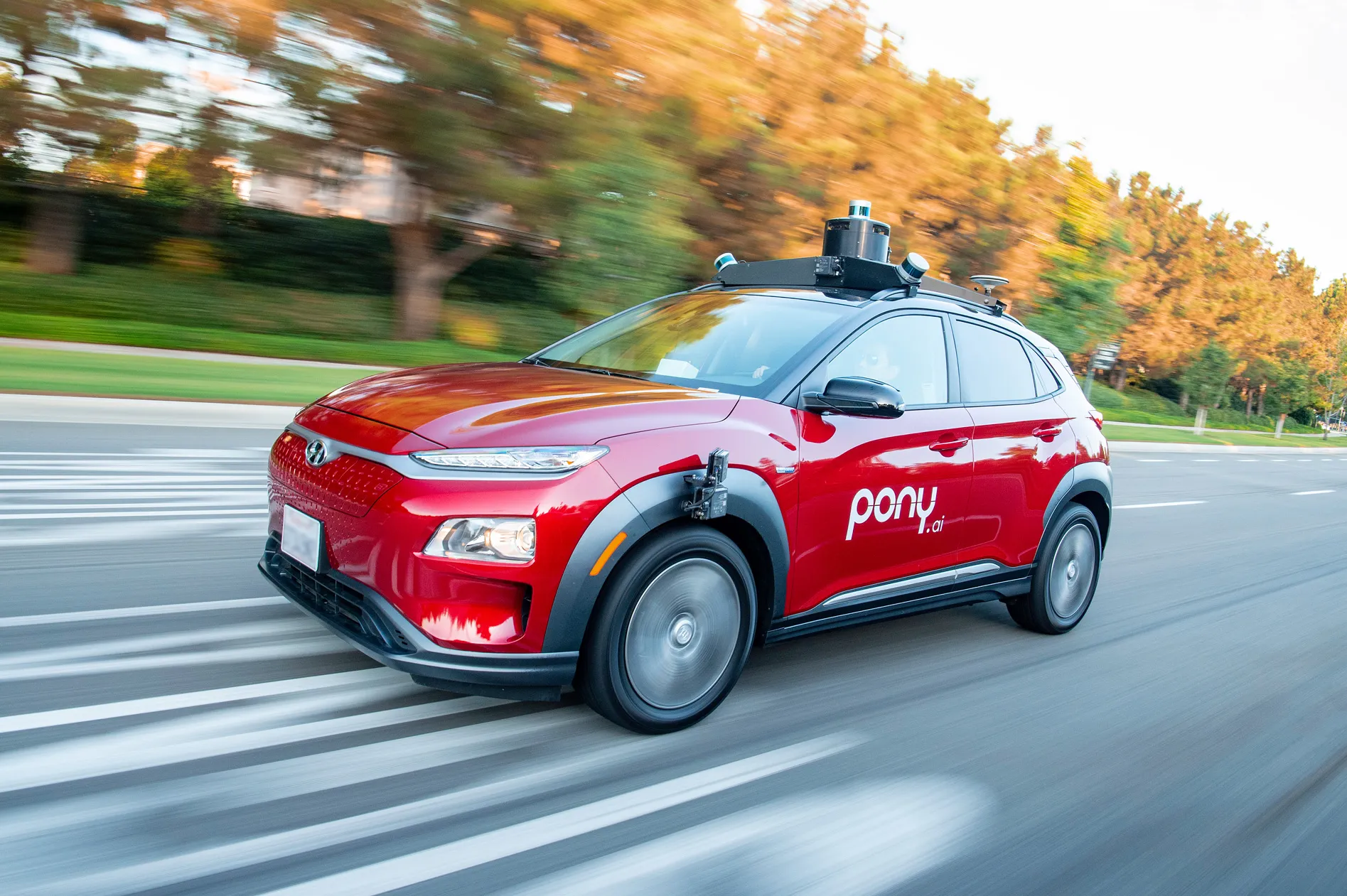
The U.S. robotaxi market has become increasingly competitive, with several players operating limited commercial fleets in select cities.
Tesla’s advantage lies in vertical integration — controlling vehicle manufacturing, software development and AI training infrastructure. However, scaling a safe, reliable and economically sustainable robotaxi network remains a complex challenge.
Urban edge cases, liability frameworks and rider trust are all critical variables.
Economic Implications
If Tesla succeeds in expanding robotaxi services across major metropolitan areas, the impact could extend beyond the auto industry.
Autonomous ride networks could reshape:
Urban transportation planning
Vehicle ownership models
Insurance economics
Fleet management systems
The transition from individually owned vehicles to shared autonomous fleets represents a potential structural shift in mobility economics.
AI as Core Infrastructure
At the center of Tesla’s rollout is artificial intelligence.
The company trains neural networks on vast volumes of driving data collected from its global fleet. Each mile driven contributes to model refinement, improving perception and decision-making capabilities.
Launching services in Dallas and Houston increases real-world data inputs — accelerating the feedback loop between deployment and AI optimization.
A Defining Phase for Tesla
Tesla has long framed autonomy as a core pillar of its long-term valuation thesis.
The rollout in Dallas and Houston signals a move from vision to execution.
Whether the service expands rapidly or encounters regulatory and operational hurdles will determine how quickly robotaxis transition from experimental to mainstream.