Localization as Strategy
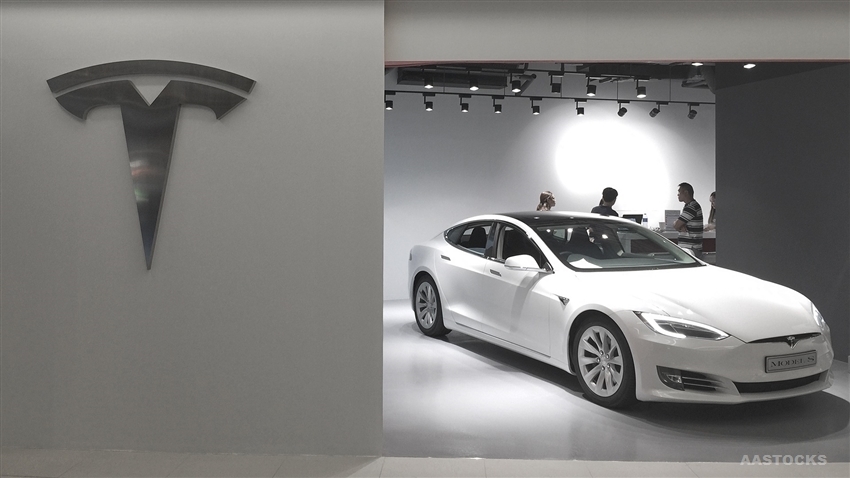
China represents a critical growth market for Tesla, not only in vehicle sales but in manufacturing and software innovation. Registering its AI voice assistant locally indicates a willingness to align with China’s increasingly structured oversight of AI systems.
Beijing has introduced regulatory frameworks requiring generative AI and algorithmic systems to undergo filing or registration processes, particularly when deployed at scale.
For Tesla, ensuring compliance is essential to maintaining operational continuity at its Shanghai Gigafactory and preserving access to the domestic EV market.
AI Inside the Vehicle
Voice assistants are becoming central to modern vehicle interfaces. Drivers increasingly expect natural language control for navigation, media, climate settings and vehicle diagnostics.
Tesla’s AI-driven assistant integrates with its broader software ecosystem, potentially leveraging in-house AI capabilities to enhance contextual understanding and personalization.
In China, competition in intelligent cockpit features is intense, with domestic automakers emphasizing advanced voice and AI systems as key differentiators.
By registering its assistant locally, Tesla positions itself to compete more directly on in-car intelligence.
Regulatory and Competitive Context
China’s EV market is characterized by rapid innovation cycles and aggressive domestic competition. Local brands often move quickly in deploying AI-enhanced infotainment and driver-assistance features.
Regulatory filings can serve both compliance and signaling functions. They indicate readiness to operate under domestic rules while reassuring authorities about oversight and data governance.
For foreign automakers, demonstrating alignment with Chinese AI regulations has become a prerequisite for sustained expansion.
Software as Competitive Edge
Tesla’s long-term strategy extends beyond hardware. Software capabilities — including autonomy, connectivity and AI-based personalization — are increasingly central to its valuation and differentiation.
Registering its AI voice assistant in Shanghai underscores that software localization is as critical as manufacturing localization.
As vehicles evolve into connected computing platforms, regulatory alignment around AI systems becomes part of market entry strategy.
Broader Implications
The move highlights how global tech and automotive firms must adapt AI deployments to regional regulatory landscapes.
In the AI era, geographic markets are not uniform. Each jurisdiction introduces distinct governance requirements that shape product rollout timelines.
For Tesla, embedding its AI voice assistant within China’s regulatory framework is not merely procedural.
It is strategic.
As competition intensifies and oversight expands, the companies that localize fastest may gain the advantage.