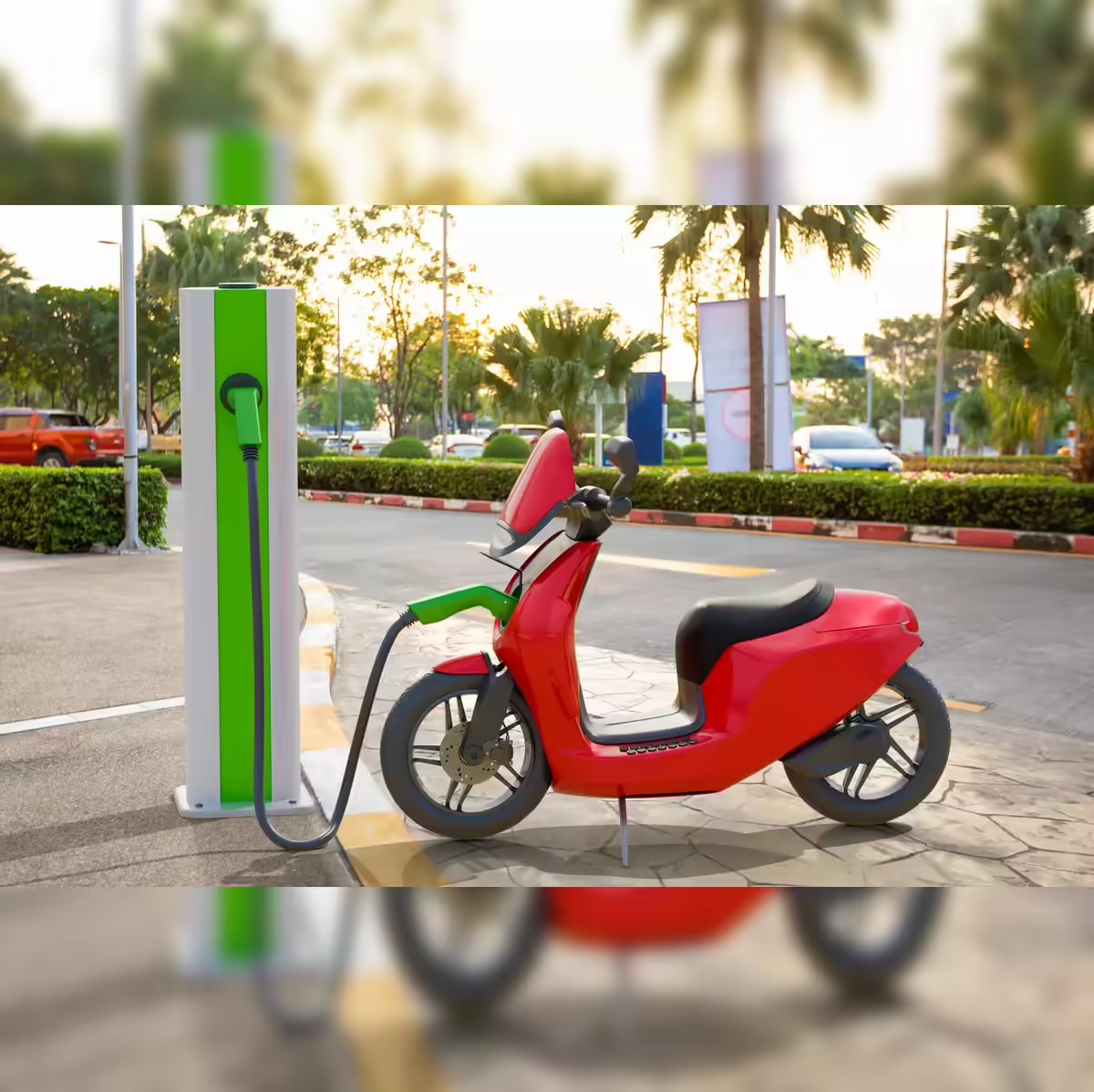
For consumers and fleet operators alike, the volatility of gasoline prices remains a reminder of why electrification has gained policy and investor momentum.
Robotaxi Expansion Gains Momentum
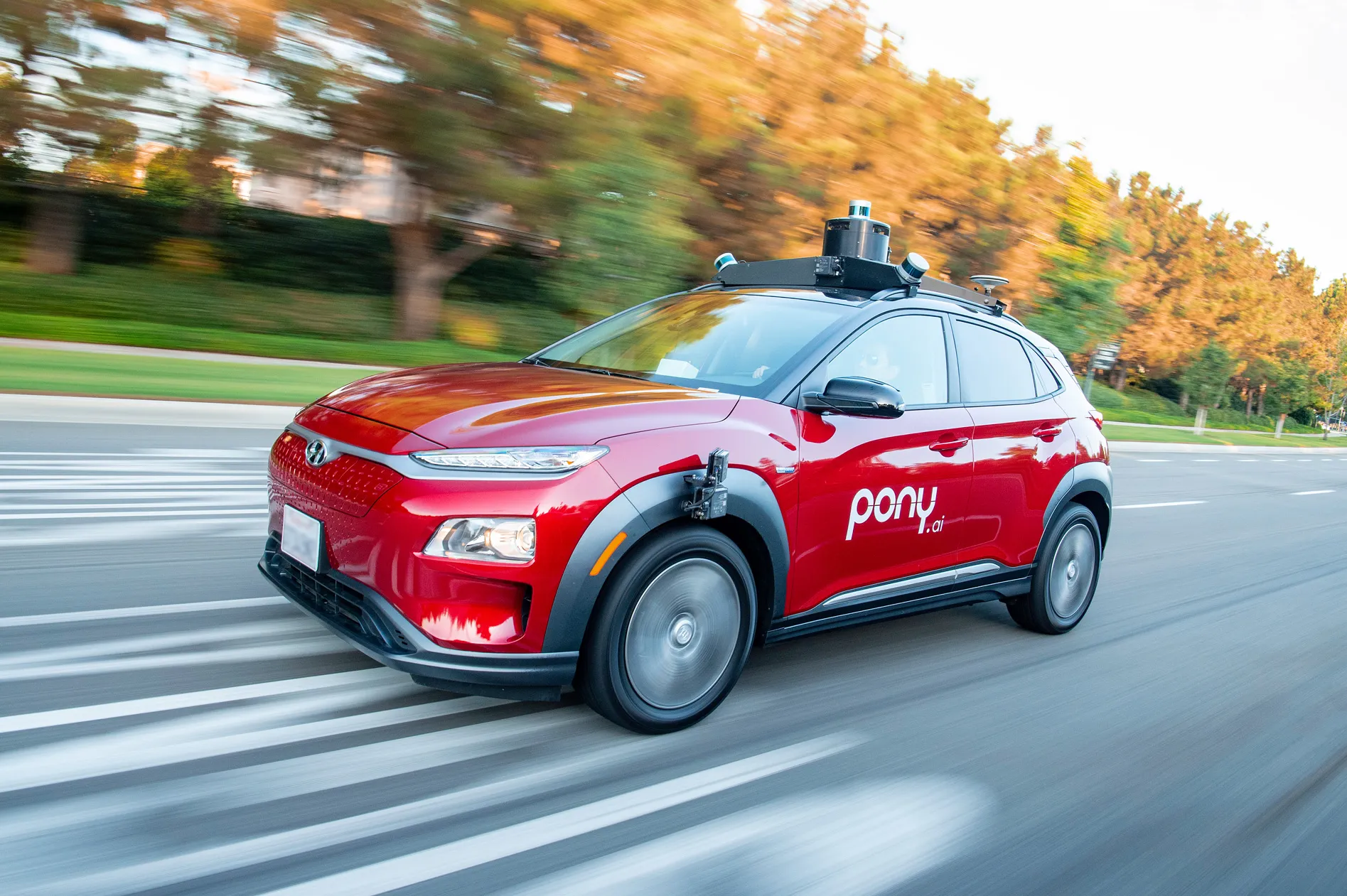
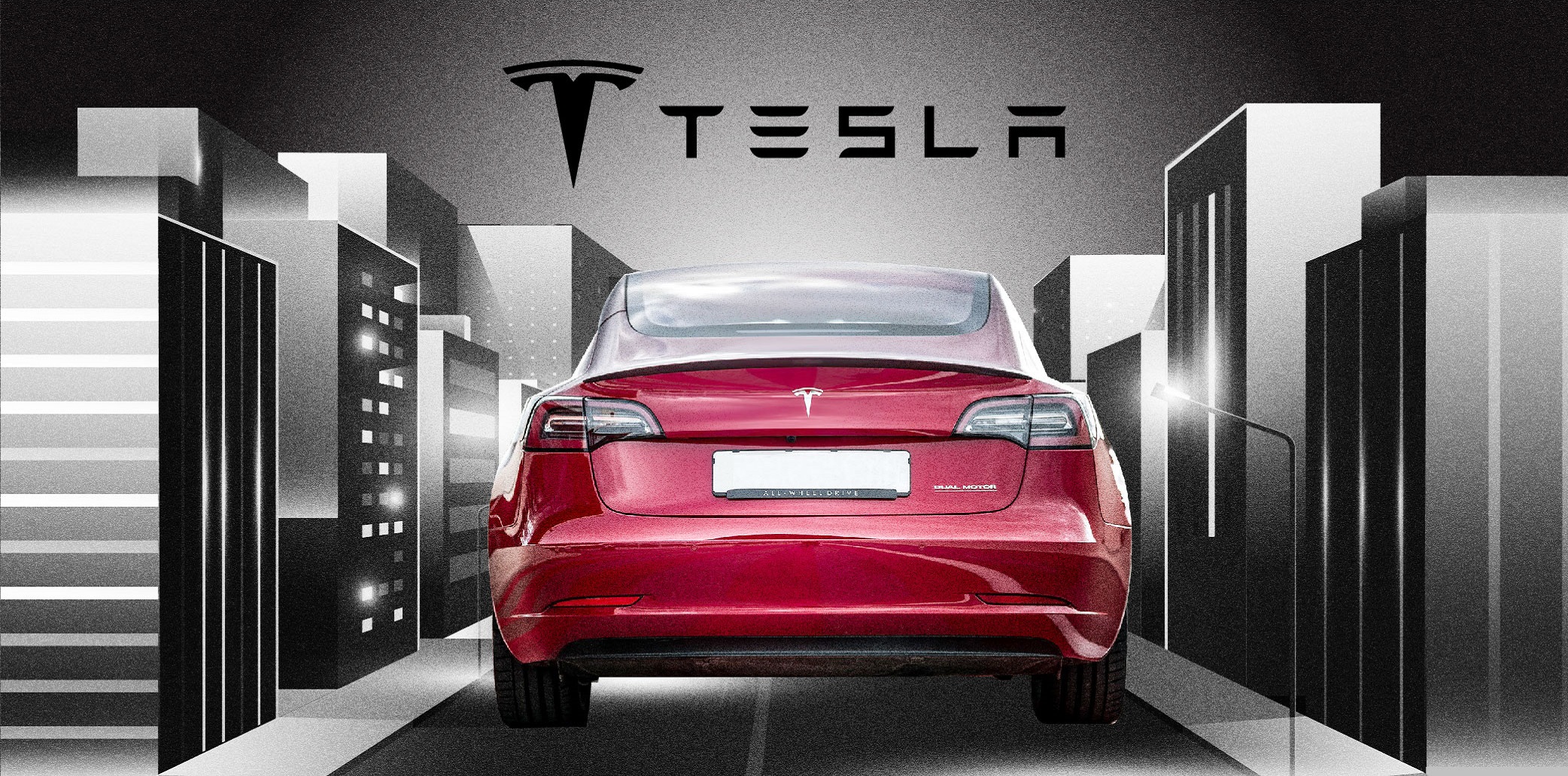
Tesla continues to expand its robotaxi footprint, positioning autonomous ride-hailing as a cornerstone of its long-term revenue model.
Robotaxis promise to lower per-mile transportation costs by removing the driver from the equation. Combined with electric drivetrains, the operational economics become more predictable — particularly when fuel markets experience sudden price swings.
While regulatory approvals and operational scaling remain challenges, Tesla’s continued expansion suggests confidence in its autonomy roadmap.
Heavy-Duty EVs Move Into Focus
Beyond passenger vehicles, Tesla’s heavy-duty electric trucks represent another strategic pillar.
Commercial transport is highly sensitive to fuel prices. When diesel costs rise, fleet margins compress quickly. Electric trucks, though capital-intensive upfront, offer lower long-term energy and maintenance costs.
The economics become especially compelling during fuel price spikes.
Adoption remains gradual, as charging infrastructure and range constraints continue to evolve. But sustained volatility in fossil fuel markets strengthens the case for electrified logistics.
Fuel Price Volatility as a Catalyst
Last week’s surge in gasoline prices, driven by geopolitical tension and supply concerns, highlighted the structural vulnerability of oil-dependent transport systems.
For consumers, fluctuating pump prices translate into immediate household budget pressure. For businesses, they introduce operational uncertainty.
Electric vehicles insulate drivers from oil market swings, replacing them with electricity pricing — which, while not immune to volatility, tends to fluctuate less dramatically in short cycles.
That economic stability is increasingly central to EV messaging.
Convergence of Autonomy and Electrification
Tesla’s strategy blends two transformative trends: autonomy and electrification.
Robotaxis represent a software-driven revenue model layered atop electric hardware. Heavy-duty EVs extend the electrification thesis into freight and logistics.
Together, they signal a vision where transportation is not just electric, but networked and automated.
Fuel price shocks serve as real-world stress tests for that vision.
Market and Policy Implications
Rising fuel costs often trigger renewed political and regulatory conversations about energy independence and clean transport incentives.
Governments in the U.S. and Europe have already introduced subsidies and infrastructure programs to accelerate EV adoption. Sudden pump price increases can reinforce public support for those policies.
For investors, the alignment of economic and environmental incentives strengthens the long-term electrification narrative.
A Structural Shift Underway
The interplay between robotaxi expansion, heavy-duty EV rollout and gasoline price spikes illustrates a broader structural shift.
Transportation is moving from oil-linked operating models toward electricity-linked systems, increasingly augmented by software and AI.
Tesla sits at the intersection of those forces.
Last week’s pain at the pump was a reminder of the old model’s fragility.
The emerging one is still being built — but it is advancing quickly.