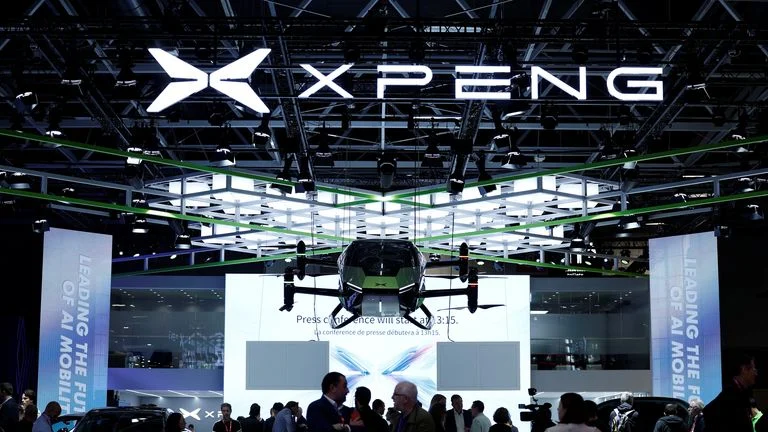
From EVs to eVTOL
Xpeng built its reputation in China’s competitive EV market, producing smart electric sedans and SUVs.
Moving into flying cars represents both diversification and technological escalation.
Unlike traditional eVTOL startups, Xpeng benefits from manufacturing scale, supply chain depth and experience in electric drivetrains and battery systems.
That industrial base may offer advantages as flying car prototypes transition toward production readiness.
What the 2027 Timeline Implies
Setting a delivery target for 2027 suggests confidence in regulatory progress as well as technical development.
Commercializing flying vehicles requires certification from aviation authorities, integration with air traffic systems and rigorous safety validation.
While pilot programs for urban air mobility are advancing globally, large-scale deployment remains complex.
A 2027 delivery window implies limited early deployments rather than mass adoption.
China’s Urban Air Mobility Ambitions
China has increasingly supported low-altitude economy initiatives, including drones and urban air mobility.
Provincial governments are experimenting with airspace management frameworks to accommodate new categories of aerial vehicles.
Xpeng’s timeline aligns with broader national interest in maintaining leadership across emerging mobility technologies.
If realized, deliveries would mark a milestone not just for the company but for China’s advanced manufacturing ecosystem.
Competitive Landscape
Globally, several startups and aerospace firms are racing to commercialize eVTOL aircraft.
Most focus on air-taxi networks rather than personally owned flying cars.
Xpeng’s concept blends automotive and aviation — aiming to create a vehicle that can operate on roads and detach into flight modules.
This hybrid approach differentiates it from pure-play aviation startups.
Economic Viability Questions
Flying cars face significant hurdles beyond certification.
Cost, charging infrastructure, maintenance networks and pilot training all influence commercial viability.
Initial models are likely to target high-net-worth buyers or specialized use cases before broader consumer adoption.
As with early EVs, scale and cost reduction would determine long-term success.
What It Signals
Xpeng’s 2027 target underscores an increasingly blurred boundary between automotive and aerospace innovation.
Electric propulsion and battery advances have lowered technical barriers that once confined personal aviation to niche markets.
Whether flying cars become mainstream remains uncertain.
But by setting a delivery timeline, Xpeng is signaling that urban air mobility is moving from concept to commercialization planning.
In the race for next-generation transport, the road may no longer be the only runway.