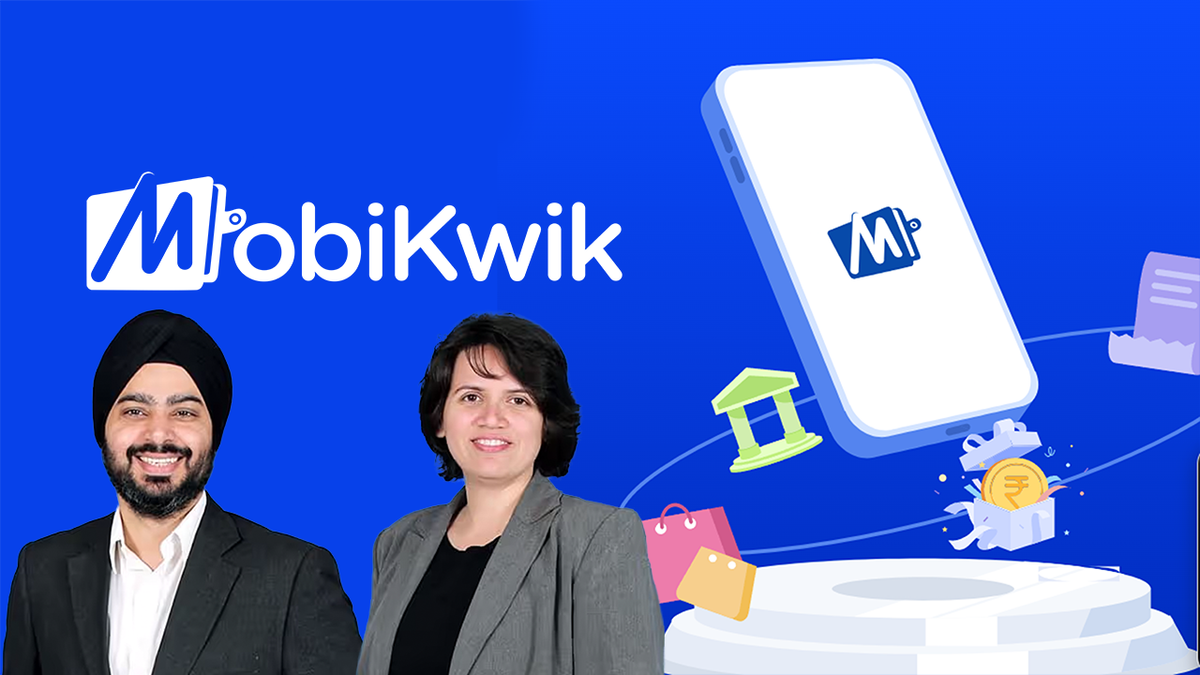
Institutional Rebalancing
Alternative investment funds (AIFs), which often back high-growth private and public companies, had accumulated stakes in MobiKwik as the company navigated its transition into public markets.
The March-quarter reduction suggests portfolio rebalancing or profit-taking by domestic institutional investors.
Such adjustments are not uncommon following volatility in fintech valuations, particularly as investors weigh profitability timelines against growth ambitions.
Fintech Stocks Under Scrutiny
Publicly listed fintech firms have faced heightened scrutiny over revenue sustainability, regulatory exposure and competitive intensity.
MobiKwik operates in India’s crowded digital payments and financial services sector, competing with large ecosystem players and well-funded startups.
In recent quarters, fintech valuations globally have reflected a broader recalibration away from pure growth metrics toward unit economics and margin discipline.
Institutional ownership shifts often mirror that reassessment.
Liquidity and Market Signaling
A reduction in AIF ownership does not necessarily imply deteriorating fundamentals. It may indicate strategic redeployment of capital into other opportunities.
However, changes in institutional shareholding can influence market perception. Investors closely track such movements as indicators of confidence or caution among sophisticated capital allocators.
For a growth-stage fintech, maintaining institutional backing can help stabilize share price volatility and support future capital-raising efforts.
Broader Capital Market Context
India’s public markets have seen renewed interest in technology listings over the past few years, but post-listing performance has varied.
Fintech firms face regulatory oversight in payments, lending and consumer data protection — factors that can impact investor appetite.
As capital becomes more selective, companies are under pressure to demonstrate consistent financial performance rather than relying solely on user growth narratives.
What It Means for MobiKwik
For MobiKwik, the reduction in domestic AIF ownership highlights the evolving dynamics of fintech investing.
The company’s ability to retain and attract long-term institutional shareholders will likely depend on execution — particularly around profitability, cost discipline and product differentiation.
Ownership shifts are part of the public market cycle.
But in a competitive fintech landscape, sustained investor confidence requires more than growth.
It requires durable economics.