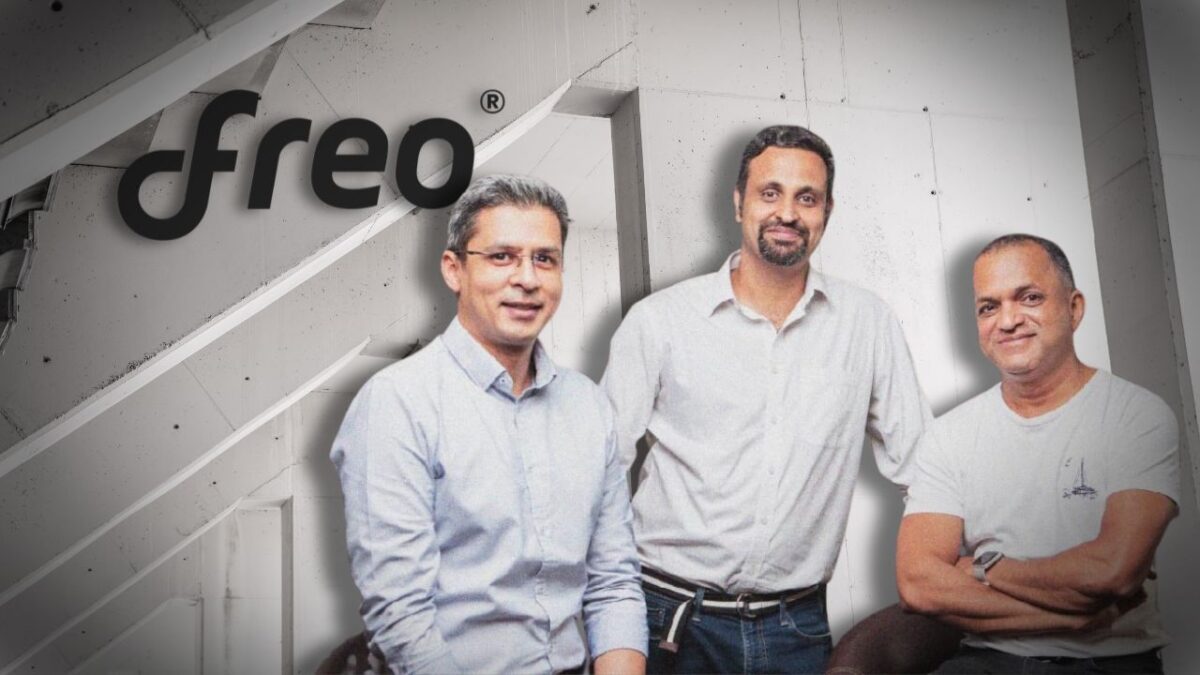
Sumit Gwalani's departure from Fi Money signals a critical moment for the Indian neo-banking platform and wider fintech sector amid tightening capital.
The departure of Sumit Gwalani, cofounder of the prominent Indian neo-banking platform Fi Money, marks a significant inflection point not just for the company, but for the broader fintech ecosystem. Announced amidst growing whispers of internal financial strain, Gwalani’s exit underscores the persistent challenges faced by digital-first financial services providers navigating a tightening capital market and evolving regulatory landscape.
Fi Money, launched in 2021 by Gwalani and Sujith Narayanan, emerged from the burgeoning Indian fintech scene with ambitious plans. Its promise was a smart banking platform tailored for millennials and Gen Z, offering an intuitive interface, automated savings features, and personalized financial insights, all powered by a partnership with Federal Bank. The startup quickly garnered attention, securing substantial funding rounds from top-tier investors.
The Genesis and The Gauntlet
From its inception, Fi Money positioned itself as more than just a digital front-end for a traditional bank. It aimed to be a holistic financial companion, leveraging data and AI to help users manage their money more effectively. This vision resonated strongly with investors, leading to rapid capital infusion. The company raised a $13.5 million Series A in 2020, followed by a $50 million Series B in 2021 led by B Capital Group, Falcon Edge (now Alpha Wave Global), and existing investors Sequoia Capital India (now Peak XV Partners) and Ribbit Capital. A $160 million Series C round in 2022, again led by Alpha Wave Global, further propelled its valuation to an estimated $750-800 million.
At its peak, Fi Money was celebrated as a poster child for India's fintech revolution. It was part of a wave of neo-banks, including Jupiter, Niyo, and Open, that sought to disrupt conventional banking by offering superior user experiences and innovative features. Gwalani, with his strong background in product and technology from Google and Flipkart, was instrumental in shaping Fi’s product vision and execution.
However, the narrative of explosive growth has recently given way to one of cautious recalibration. The "mounting financial struggles" alluded to in the context of Gwalani's departure are symptomatic of a broader trend impacting high-growth, high-burn startups globally. The prolonged funding winter has forced a fundamental shift in investor expectations, prioritizing profitability and sustainable unit economics over sheer user acquisition numbers.
For Fi Money, these struggles likely manifested as a combination of factors: elevated customer acquisition costs in a fiercely competitive market, a business model heavily reliant on interchange fees and interest income from deposits which are inherently thin-margin, and the ongoing challenge of converting free users into revenue-generating ones through premium features or lending products. The high operational expenses associated with maintaining a robust technology stack and a growing team further exacerbated the burn rate.
Why Gwalani's Exit Matters
Sumit Gwalani’s exit is more than just a personnel change; it's a potent signal to the market. For Fi Money itself, the departure of a co-founder, especially one deeply involved in product and technology, creates an immediate leadership void. It raises questions among employees, existing investors, and potential partners about the company's strategic direction and stability. Cofounder chemistry and shared vision are often critical ingredients for navigating turbulent times, and a fissure at the top can lead to significant operational and morale challenges.
The timing of the departure, explicitly linked to "mounting financial struggles," sends a stark message to the entire Indian fintech ecosystem. It highlights the increasingly difficult path to profitability for neo-banks that rely heavily on a partner bank model. While the model allows for faster market entry and reduced regulatory burden compared to obtaining a full banking license, it also limits control over core banking functions and revenue streams. The Reserve Bank of India’s (RBI) evolving stance on digital lending, particularly around First Loss Default Guarantee (FLDG) arrangements and regulatory arbitrage, has added another layer of complexity, pressuring neo-banks to demonstrate robust risk management and capital adequacy.
Globally, the challenges faced by Fi Money resonate with those experienced by neo-banks in developed markets. Companies like N26 and Monzo in Europe, or Chime and Revolut in the US, have also grappled with the elusive quest for profitability despite achieving significant user scale. Many have diversified into premium subscriptions, credit products, or B2B services to bolster revenue, often with mixed results. The core issue remains: how to build a truly differentiated and profitable financial service on top of existing banking rails without incurring prohibitive customer acquisition and operating costs.
For founders and operators across the tech spectrum, Gwalani’s exit serves as a powerful case study. It underscores the critical importance of building a sustainable business model from day one, rather than deferring profitability in pursuit of hyper-growth. It highlights the unforgiving nature of the current funding environment, where the luxury of experimentation with unproven revenue models has largely dissipated. Furthermore, it emphasizes the intense pressure that can fracture even strong founder relationships when faced with existential business threats.
What Comes Next
For Fi Money, the immediate future will likely involve a period of intense strategic re-evaluation. The company will need to articulate a clearer, more convincing path to profitability to its remaining investors and team. This could manifest in several ways: a sharper focus on specific, high-value customer segments, a more aggressive push into revenue-generating products like secured lending or wealth management, or even a pivot towards a B2B model, leveraging its technology stack to serve other financial institutions.
Cost rationalization will undoubtedly be a priority. This may include layoffs, a reduction in marketing spend, and a re-negotiation of vendor contracts. The company will also need to re-evaluate its product roadmap, prioritizing features that directly contribute to revenue or significantly reduce churn, rather than those focused solely on user engagement.
Indian Neo-bank Market Dynamics:
Total Funding (2020-2022):Over $1.5 billion raised by key players.
Customer Acquisition Cost (CAC):Estimated at $20-50 per user for many players, challenging profitability.
Regulatory Environment:RBI's stricter guidelines on digital lending and FLDG models impacting revenue streams and risk management.
Competition:Over 20 significant neo-banks and digital-first offerings from incumbents.
The broader neo-banking sector in India is bracing for a period of consolidation. The market, once characterized by numerous players chasing similar customer segments, is unlikely to sustain its current density. Companies with weaker balance sheets, undifferentiated offerings, or an inability to adapt to regulatory shifts will either struggle to raise follow-on funding, be forced into distress sales, or eventually cease operations. Partnerships with traditional banks, moving beyond just infrastructure provision to deeper, more collaborative models, might become a lifeline for some. This could involve co-branded products, technology licensing, or even outright acquisitions of promising fintech platforms by incumbents seeking to modernize their digital offerings.
For aspiring founders and operators, particularly in high-burn sectors like fintech, the lessons are clear. Firstly, unit economics are paramount. A robust understanding of customer lifetime value (LTV) versus customer acquisition cost (CAC) and a clear path to positive contribution margin are non-negotiable. Secondly, regulatory compliance and proactive engagement with regulators are as important as product innovation, especially in heavily regulated industries. Underestimating or attempting to circumvent regulatory frameworks can lead to significant setbacks, as seen with several lending fintechs in India.
Finally, the importance of founder alignment and resilience cannot be overstated. Building a startup is a marathon, not a sprint, and navigating downturns requires unwavering commitment and a unified vision at the leadership level. While the digital transformation of financial services is an undeniable secular trend, the path to building enduring, profitable businesses within this space remains fraught with challenges, demanding strategic foresight, operational discipline, and an unyielding focus on sustainable value creation.
Key Takeaways
Profitability Over Growth: The era of prioritizing user acquisition at all costs is over; sustainable unit economics and a clear path to profitability are now paramount for fintechs.
Regulatory Impact: Evolving and tightening regulatory frameworks, particularly in India, significantly influence business models and operational strategies for digital financial services.
Founder Dynamics: Co-founder exits, especially during financial struggles, signal deeper challenges and can impact investor confidence and internal morale.
Market Consolidation: The neo-banking sector faces impending consolidation as funding tightens and competition intensifies, favoring resilient and well-capitalized players.
Strategic Pivots: Companies must be prepared to re-evaluate their core offerings, diversify revenue streams, and potentially explore B2B models or deeper partnerships with traditional banks to ensure survival and growth.
Frequently asked questions
Who is Sumit Gwalani?
Sumit Gwalani is the cofounder of Fi Money, a prominent Indian neo-banking platform. His recent departure has drawn attention to the company's financial state and the broader challenges facing digital-first financial services.
Why did Sumit Gwalani leave Fi Money?
Sumit Gwalani's departure was announced amidst growing whispers of internal financial strain at Fi Money, suggesting challenges in the company's operations and funding environment.
What is Fi Money?
Fi Money is a prominent Indian neo-banking platform that offers digital-first financial services, aiming to provide a modern banking experience to its users in India.
What are the challenges facing the fintech ecosystem mentioned in the article?
The article highlights persistent challenges for digital-first financial services providers, particularly navigating a tightening capital environment and achieving sustainable growth in a competitive market.
Is Fi Money currently in financial trouble?
The article states that Gwalani's exit comes amidst "mounting financial struggles" and "internal financial strain," indicating the company is indeed facing significant economic challenges.
How does Gwalani's exit impact the Indian neo-banking sector?
Gwalani’s exit is described as a significant inflection point, underscoring the broader challenges and pressures faced by other digital-first financial services providers within India's competitive fintech ecosystem.