The era of the "AI Tax" is entering its awkward adolescence. For the past two years, the venture narrative has been dominated by a simple, expensive loop: raise capital, buy H100s, and pray that the token-based billing of proprietary models doesn’t cannibalize your margins before you hit product-market fit. But on April 30, 2026, a $20 million Series A Fund closed by Singapore’s Featherless.ai suggested that the industry’s most sophisticated players are looking for an exit ramp.
Co-led by AMD Ventures and Airbus Ventures, the round is a calculated strike against the centralized hegemony of the cloud giants. Featherless isn't building another "me-too" LLM; they are building the plumbing that allows the world’s 30,000+ open-source models to run at enterprise scale without the unpredictable "variable cost" nightmare that typically follows. In a market where every basis point of margin counts, the promise of flat-rate, serverless inference for open-weights is the equivalent of moving from a metered dial-up connection to unlimited fiber.
The Inference Arbitrage: Why This Round Matters
To understand the weight of this funding, you have to look at the CapEx vs. OpEx problem currently strangling AI startups. Proprietary models are excellent, but they are "black boxes" with volatile pricing. If you are a founder building a high-volume agentic workflow, you are essentially building on rented land. Featherless is offering a deed of ownership.
By providing a production-ready alternative to proprietary environments, Featherless allows developers to deploy models from Hugging Face instantly, with high GPU utilization and sub-second load times. This isn't just a technical achievement; it’s a structural cost advantage. When a model loads in seconds rather than minutes, the economic viability of "Model-as-a-Service" changes overnight.
Key Takeaways for the GP
Hardware Neutrality: The involvement of AMD Ventures signals a major push for the AMD ROCm platform as a viable, auditable alternative to Nvidia’s CUDA-locked ecosystem.
Sovereign AI Demand: With infrastructure hosted in the US and EU, Featherless is targeting the growing enterprise demand for jurisdictional data control—a major pain point for global VCs.
The Death of Token-Based Billing: Featherless’s move toward subscription-based fixed costs could force a radical repricing across the entire inference sector.
The Singapore Signal: Sovereignty as a Service
The geography of this deal is no accident. Singapore has spent the last decade positioning itself as a neutral arbiter in the global tech war. While the US and China tighten their respective "Silicon Curtains," the Lion City has become the staging ground for "Sovereign AI." This isn't just about local pride; it’s about regulatory compliance.
European and Asian enterprises are increasingly wary of piping sensitive data through models controlled by single-nation hyperscalers. Featherless meets this demand by decoupling the model from the provider. By supporting diverse hardware architectures—including a deep integration with AMD’s software stack—they are creating a "neutral layer" that doesn't care whose chip you use or which cloud you prefer.
This is the "Android moment" for AI inference. If the first phase of the boom was about centralized power, the second phase—this Series A Fund phase—is about decentralization and the democratization of compute.
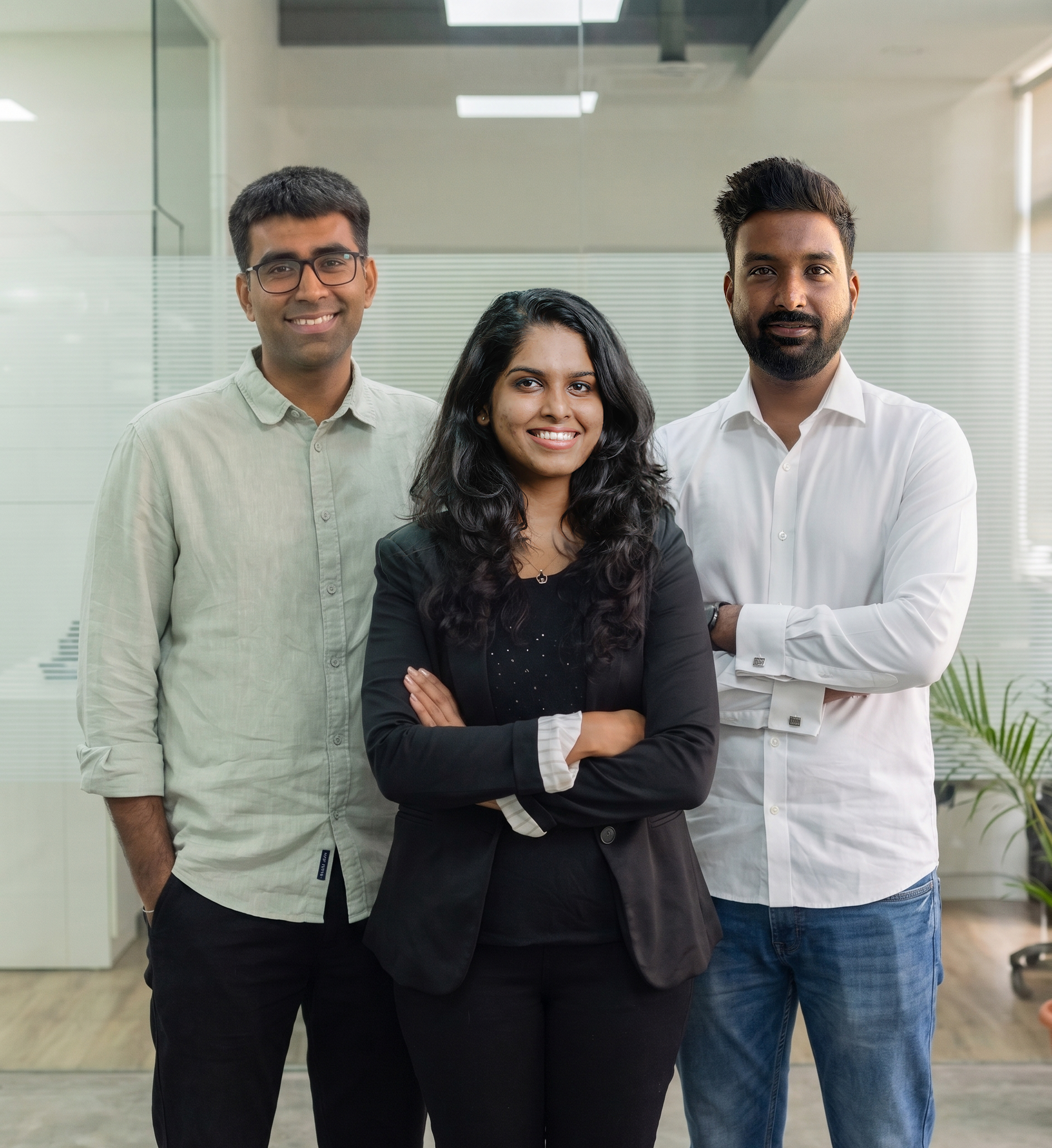
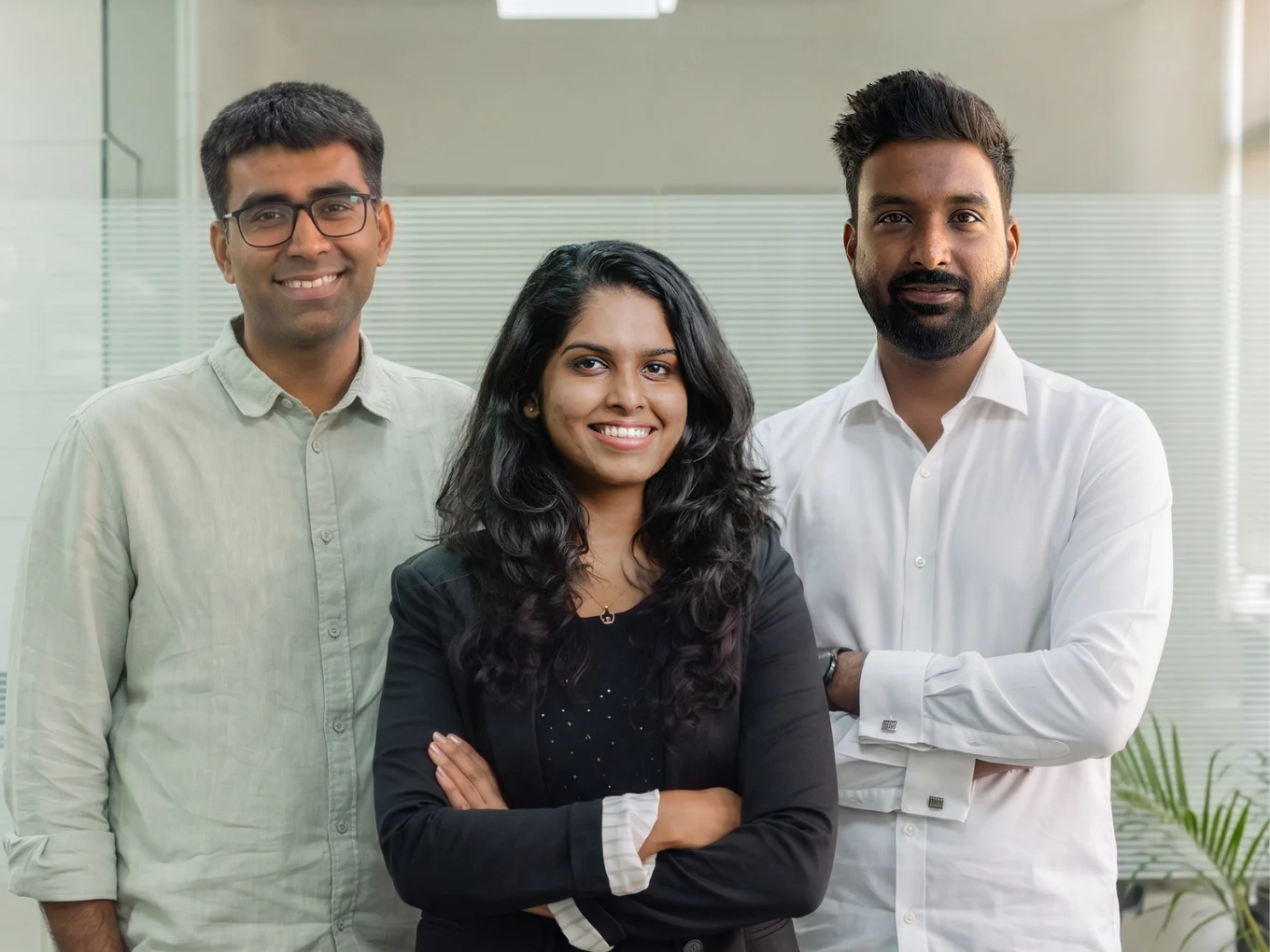
“We're building the infrastructure that makes open-source AI practical and reliable at scale, ensuring that enterprises can build on a foundation they actually own rather than one they merely rent,” says Eugene Cheah, CEO and co-founder of Featherless.ai.
Cheah’s pedigree is worth noting: the founding team is the same group that pioneered the RWKV architecture, a breakthrough designed to challenge the transformer’s dominance. They aren't just implementation experts; they are researchers who understand that the transformer architecture itself might be the next bottleneck.
What to Watch Next
As the ink dries on this $20 million check, the market should keep a close eye on three specific developments:
The Model Marketplace: Featherless plans to launch a dedicated marketplace for specialized open models. If they can build a community around "fine-tuned-for-purpose" models that outperform GPT-4 in niche tasks, the value of the general-purpose model drops significantly.
The "Airbus" Effect: The participation of Airbus Ventures suggests a play for industrial-scale, edge-of-network AI. Watch for partnerships involving aerospace and defense, where data privacy isn't a "nice-to-have" but a legal mandate.
The Chip War Proxy: If Featherless succeeds in making AMD hardware as easy to use as Nvidia, we will see a massive shift in how VCs evaluate the "compute budget" of their portfolio companies.
The Skeptic’s Corner: The Latency Trap
The contrarian view is simple: can a serverless platform truly compete with the raw power of dedicated, private clusters? Skeptics argue that while serverless inference is great for prototyping, the "cold start" and latency issues inherent in distributed systems will always be the Achilles' heel for mission-critical applications. Featherless claims to have solved this with sub-second loading, but the real test will be when they are handling the concurrent requests of a Fortune 100 enterprise rather than a fleet of scrappy startups.
Furthermore, the "open-source" advantage is only as good as the models themselves. If OpenAI or Anthropic releases a model that is 10x better than the best open-weight equivalent, the infrastructure layer becomes irrelevant. You can have the best plumbing in the world, but it doesn't matter if there’s no water in the well.
A New Chapter for AI Funding
The significance of the Featherless Series A Fund lies in its defiance of the current "scaling law" obsession. Most AIfunding today is a bet on bigger being better. This round is a bet on smarter being cheaper. By empowering the "middle class" of the AI world—the developers who want to fine-tune, deploy, and own their models—Featherless is carving out a niche that could eventually become the new standard.
We are moving away from a world where AI is a mysterious service bought from a giant, and toward a world where it is a utility integrated into every layer of our stack. For the investors involved—from BMW i Ventures to Wavemaker—the play is clear: don't bet on the one who builds the biggest wall; bet on the one who provides the most efficient door.
In the high-stakes game of global tech, the most valuable thing you can offer isn't just intelligence—it’s independence. Featherless has $20 million to prove they can deliver it.