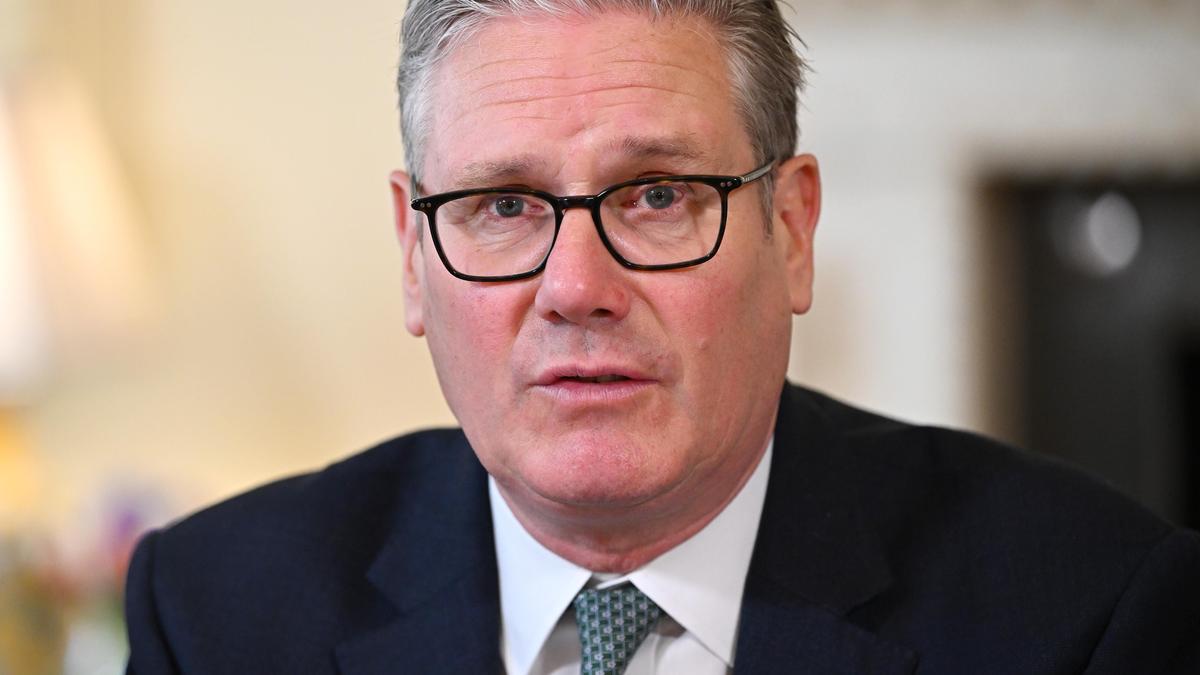
The remarks come amid increasing public scrutiny of digital harms, particularly those affecting children and vulnerable users, and as regulators move from legislative drafting to enforcement.
For global technology firms operating in the UK, the message is clear: compliance will not be optional.
From legislation to enforcement
The UK’s Online Safety Act established one of the most comprehensive regulatory frameworks for digital platforms among Western democracies.
The law places legal obligations on social media companies and search engines to:
• Remove illegal content
• Mitigate harmful material
• Protect children from exposure to risk
• Increase transparency around algorithms
However, passing the law was only the first step. Enforcement now falls to regulator Ofcom, which has begun outlining compliance expectations and penalty mechanisms.
Starmer’s warning signals political backing for robust enforcement rather than symbolic oversight.
Political pressure intensifies
Online safety has become a bipartisan issue in the UK, with cross-party concern about:
• Online grooming and exploitation
• Disinformation
• Algorithmic amplification of harmful content
• Mental health impacts on minors
By publicly addressing tech leaders, Starmer elevates the issue beyond regulatory procedure into executive-level accountability.
For U.S.-based platforms operating globally, this adds another layer of policy fragmentation. Companies must now navigate differing regulatory regimes across the UK, EU and United States.
A broader Western trend
The UK’s posture mirrors similar movements elsewhere.
In the European Union, the Digital Services Act imposes transparency and risk assessment obligations on large online platforms. In the U.S., lawmakers continue to debate reforms to Section 230 protections.
Collectively, these initiatives suggest that platform governance is transitioning from voluntary moderation policies to statutory obligations.
For startups building AI-powered social tools, content platforms or community apps, regulatory scrutiny will increasingly scale with user growth.
What this means for Big Tech
For major platforms such as Meta, TikTok, Google and X, enforcement risk now carries material financial consequences.
The Online Safety Act allows for significant fines tied to global revenue and, in extreme cases, service restrictions.
Companies will likely need to:
• Expand moderation teams
• Increase AI-driven content detection
• Provide clearer algorithmic disclosures
• Enhance parental controls
These measures add operational cost but may also shape long-term product design.
Investor and founder implications
For investors, escalating online safety enforcement introduces compliance cost variables into platform valuations.
For founders, especially those in early-stage social tech, regulatory readiness is becoming part of product-market fit.
Risk mitigation architecture — once secondary — is now central.
The bigger signal
Starmer’s remarks underscore a broader shift: governments are asserting stronger oversight over digital public spaces.
The era when platforms defined their own safety standards is narrowing.
As enforcement frameworks solidify, online safety is no longer just a reputational concern. It is becoming enforceable law.
For the global tech ecosystem, the UK’s tone signals that the next phase of platform growth will be shaped as much by regulatory alignment as by user engagement metrics.