AI Demand Reignites the Cycle
The global semiconductor market has shifted from post-pandemic correction to AI-driven expansion.
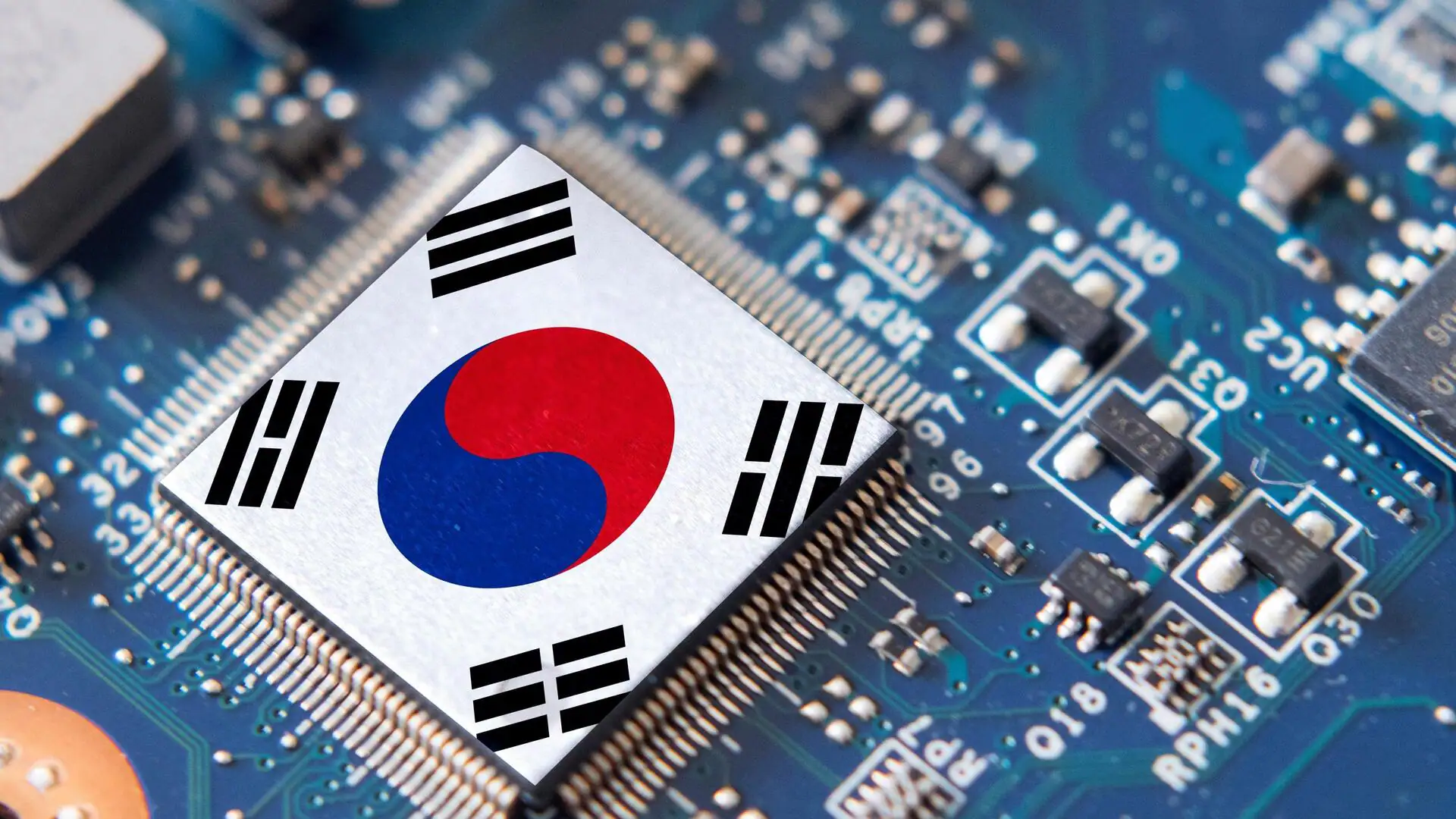
High-bandwidth memory (HBM) and advanced logic chips are seeing sustained demand from cloud providers and AI infrastructure builders. South Korea, home to leading memory manufacturers, has benefited directly from this resurgence.
Chip exports have become the primary growth engine, offsetting weakness in other export categories.
The AI buildout cycle is proving to be more capital-intensive and durable than previous consumer electronics surges.
Memory Market Rebound
South Korea’s chip dominance lies particularly in memory semiconductors.
After a prolonged downturn caused by inventory gluts and weaker electronics demand, memory prices have recovered alongside increased AI server deployments.
This price stabilization has translated into stronger export revenues and improved profitability across the sector.
The rebound is not merely volume-driven; it reflects improved pricing power.
Economic Spillover Effects
Semiconductors represent a significant share of South Korea’s total exports.
Stronger chip sales ripple through supply chains — supporting manufacturing, logistics and component industries.
Higher export revenues also bolster currency stability and fiscal flexibility.
However, reliance on chips reinforces the economy’s exposure to global tech demand cycles.
Geopolitical and Trade Dimensions
South Korea’s semiconductor resurgence unfolds against a backdrop of geopolitical tension and export control scrutiny.
Global competition in advanced chip manufacturing has intensified, particularly between the United States and China.
South Korean firms operate within this complex environment, balancing trade relationships while expanding production capacity.
Diversifying export markets and strengthening domestic R&D remain strategic priorities.
Structural vs. Cyclical Growth
The current surge raises a critical question: is this a temporary upswing or the start of a multi-year AI supercycle?
AI infrastructure buildout suggests structural demand, particularly for high-performance memory and compute chips.
Yet semiconductor markets historically experience volatility.
South Korea’s policy and industrial planning may increasingly focus on stabilizing long-term competitiveness rather than riding short-term booms.
What It Signals
South Korea’s fastest growth in years underscores how central semiconductors have become to the global economy.
AI is no longer an abstract technological shift — it is materially shaping trade balances and GDP trajectories.
For South Korea, chip exports are once again anchoring economic momentum.
In the digital era, economic acceleration often begins not with oil or commodities — but with silicon wafers.