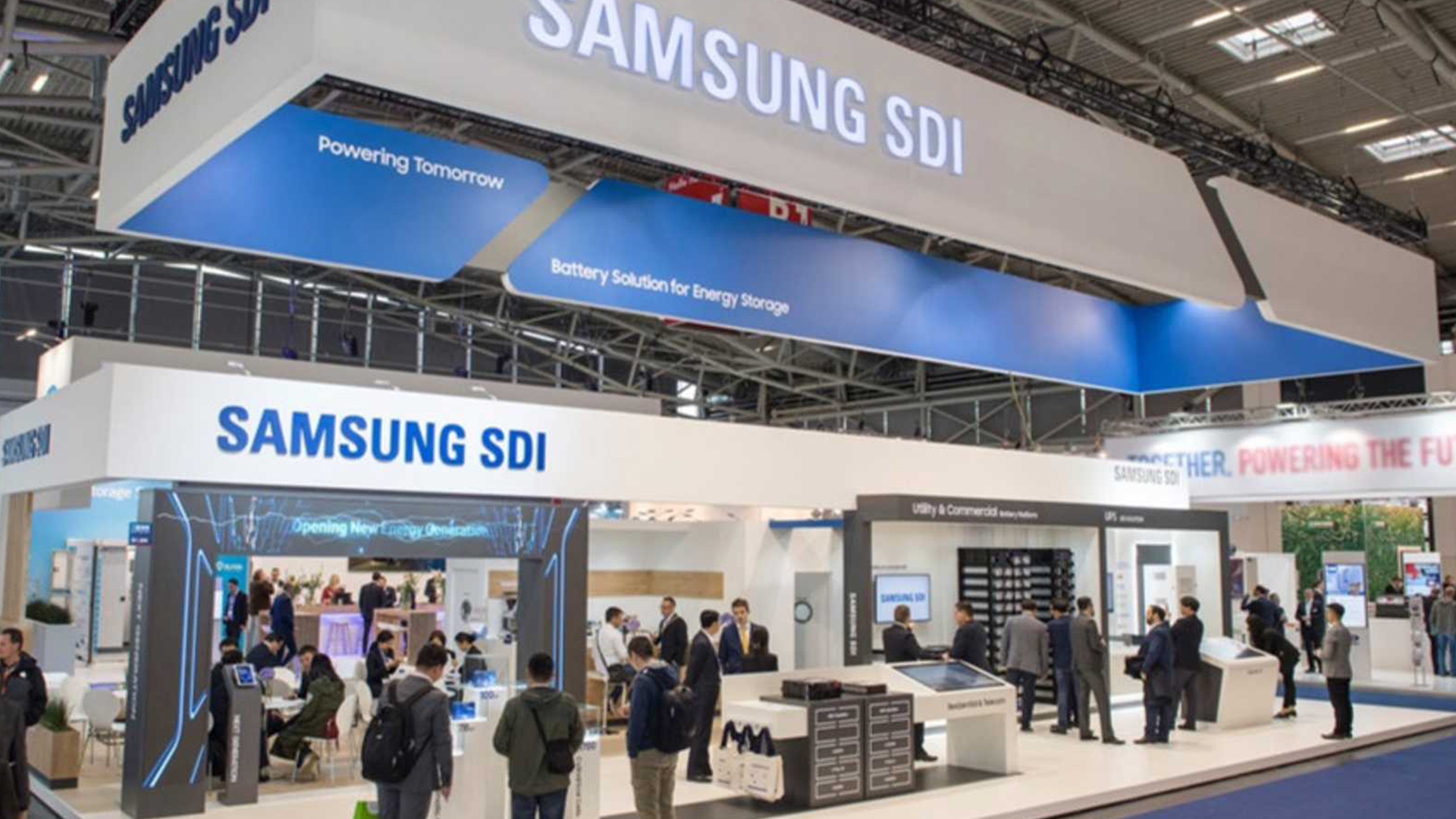
Samsung SDI reported a return to profit, supported largely by strong battery demand in the United States. The rebound comes as North America continues to scale electric vehicle (EV) production and grid-scale energy storage projects. The company’s performance highlights a broader industry trend: while EV demand growth has moderated in some regions, U.S. battery consumption remains structurally supported by domestic manufacturing incentives and energy transition policies. Samsung SDI’s improved results suggest that regional demand shifts are reshaping the competitive landscape for global battery suppliers.
U.S. Policy Tailwinds Continue to Pay Off
Federal incentives tied to EV production and battery localization have accelerated investments in U.S.-based supply chains. Automakers are ramping domestic assembly plants, while utilities and renewable developers expand energy storage installations. For battery manufacturers like Samsung SDI, North America has become a priority growth market. The profitability swing underscores how localization strategies — including partnerships and manufacturing expansion in the U.S. — are translating into tangible financial returns.
Beyond EVs: Energy Storage Gains Traction
While EV batteries remain a core revenue driver, energy storage systems (ESS) are increasingly contributing to growth. As renewable energy penetration rises, grid operators require large-scale battery storage to stabilize supply. This segment offers diversification beyond automotive cycles. Samsung SDI’s improved earnings reflect strength across both mobility and stationary storage applications, mitigating exposure to fluctuations in passenger vehicle demand.
Competitive Dynamics in the Battery Sector
The global battery market remains intensely competitive, dominated by South Korean and Chinese manufacturers. However, U.S. market access is becoming a differentiator. Trade policies, tariff structures, and local content rules are influencing procurement decisions by automakers. Manufacturers with established North American footprints may hold structural advantages. Samsung SDI’s profit rebound suggests its positioning in the U.S. market is strengthening relative to some peers facing export headwinds.
Margin Pressures and Raw Material Volatility
Despite improved profitability, battery manufacturers continue to navigate volatile raw material prices, including lithium and nickel. Cost discipline and supply chain optimization remain central to sustaining margins.
In recent quarters, falling raw material prices have provided some relief after prior cost spikes. Companies able to balance pricing contracts with cost dynamics stand to benefit.
Long-Term Electrification Outlook
Even with short-term fluctuations in EV sales growth, long-term electrification trends remain intact. Industry forecasts continue to project rising EV market share over the coming years, alongside expansion in heavy-duty vehicles and commercial fleets. Battery suppliers positioned in policy-supported markets such as the U.S. may enjoy steadier growth trajectories compared to more saturated regions.
What It Signals
Samsung SDI’s swing back to profit reflects both regional demand resilience and strategic geographic alignment. The U.S. is increasingly central to the global battery growth story — not just as a consumer market, but as a production hub. For investors, the results reinforce the importance of tracking geographic exposure within battery manufacturers’ portfolios. As electrification expands beyond passenger cars into grid storage and industrial applications, diversified demand may provide greater earnings stability. In the evolving battery race, profitability will depend not only on volume — but on where that volume is generated.