As EV adoption expands globally, long-term battery sourcing agreements are replacing short-term procurement deals. Automakers are moving to lock in supply not just for volume stability, but for technological alignment.
Securing the Core Component
Batteries account for a substantial portion of an EV’s total production cost and performance profile. Range, charging speed and safety are all influenced by cell chemistry and manufacturing quality.
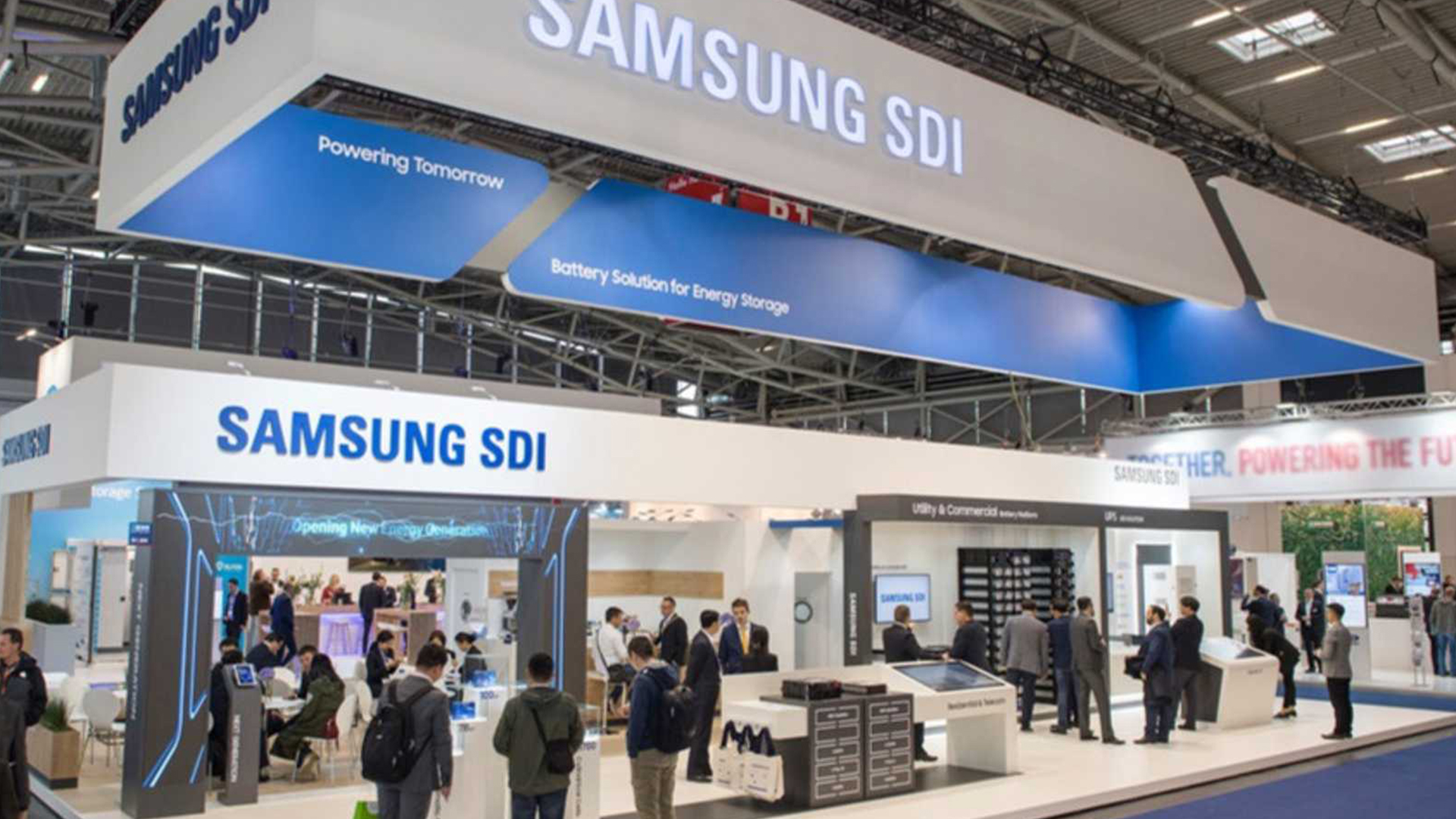
For Mercedes-Benz, securing multi-year production commitments from Samsung SDI reduces exposure to market volatility and supply bottlenecks. For Samsung SDI, the deal provides revenue visibility and scale efficiencies.
The partnership reflects a broader industry shift: automakers are no longer relying on spot-market battery purchases. They are co-developing and co-investing in production capacity.
Strategic Supply Chain Realignment
Global EV demand has exposed vulnerabilities in battery supply chains. From raw material sourcing to cell manufacturing, disruptions can ripple across vehicle production timelines.
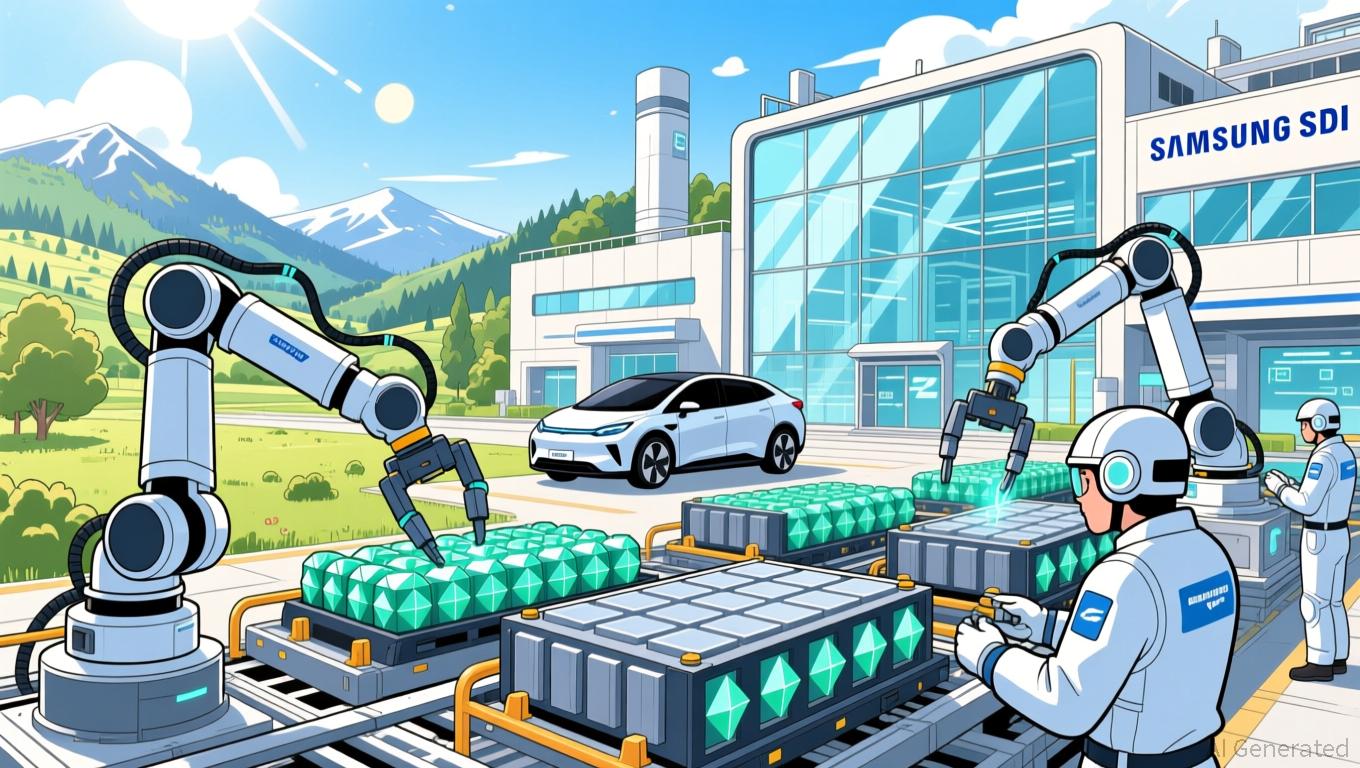
The $6.8 billion agreement likely supports expanded manufacturing capacity, potentially including new production lines or facility upgrades. While detailed allocation of funds may vary, the scale indicates a long-term strategic alignment rather than a transactional supply contract.
Automakers increasingly view battery partnerships as core infrastructure decisions.
Technology Collaboration
Beyond supply guarantees, such agreements often include joint development of next-generation battery chemistries. Advancements in energy density and charging performance can offer competitive differentiation.
Mercedes-Benz has emphasized performance and premium positioning in its EV lineup. Aligning with Samsung SDI could enable customized cell designs optimized for the automaker’s platform architecture.
Battery innovation cycles now directly shape vehicle design cycles.
Competitive Landscape
The EV battery market is dominated by a handful of large players. Competition centers on scale, cost per kilowatt-hour and chemistry innovation.
By securing a major contract with Mercedes-Benz, Samsung SDI reinforces its standing among top-tier automotive battery suppliers. For Mercedes-Benz, the agreement strengthens its independence from competitors’ vertically integrated supply chains.
The partnership also reflects growing competition among automakers to secure limited production capacity in a market where demand continues to rise.
Policy and Regional Dynamics
Battery manufacturing has become a focal point for industrial policy across the U.S., Europe and Asia. Governments are offering incentives for domestic production to reduce reliance on foreign supply chains.
Large-scale partnerships like this often align with broader regional strategies to localize battery production and secure energy-transition supply chains.
The geopolitical dimension adds urgency to long-term battery contracts.
A Structural Investment
The $6.8 billion figure illustrates how capital-intensive the EV transition has become.
Scaling electric vehicle production is no longer just about assembly lines. It requires synchronized investment across battery plants, raw material processing and research pipelines.
For Samsung SDI and Mercedes-Benz, the deal is not merely about meeting today’s demand.
It is about shaping the infrastructure that will power the next decade of mobility.