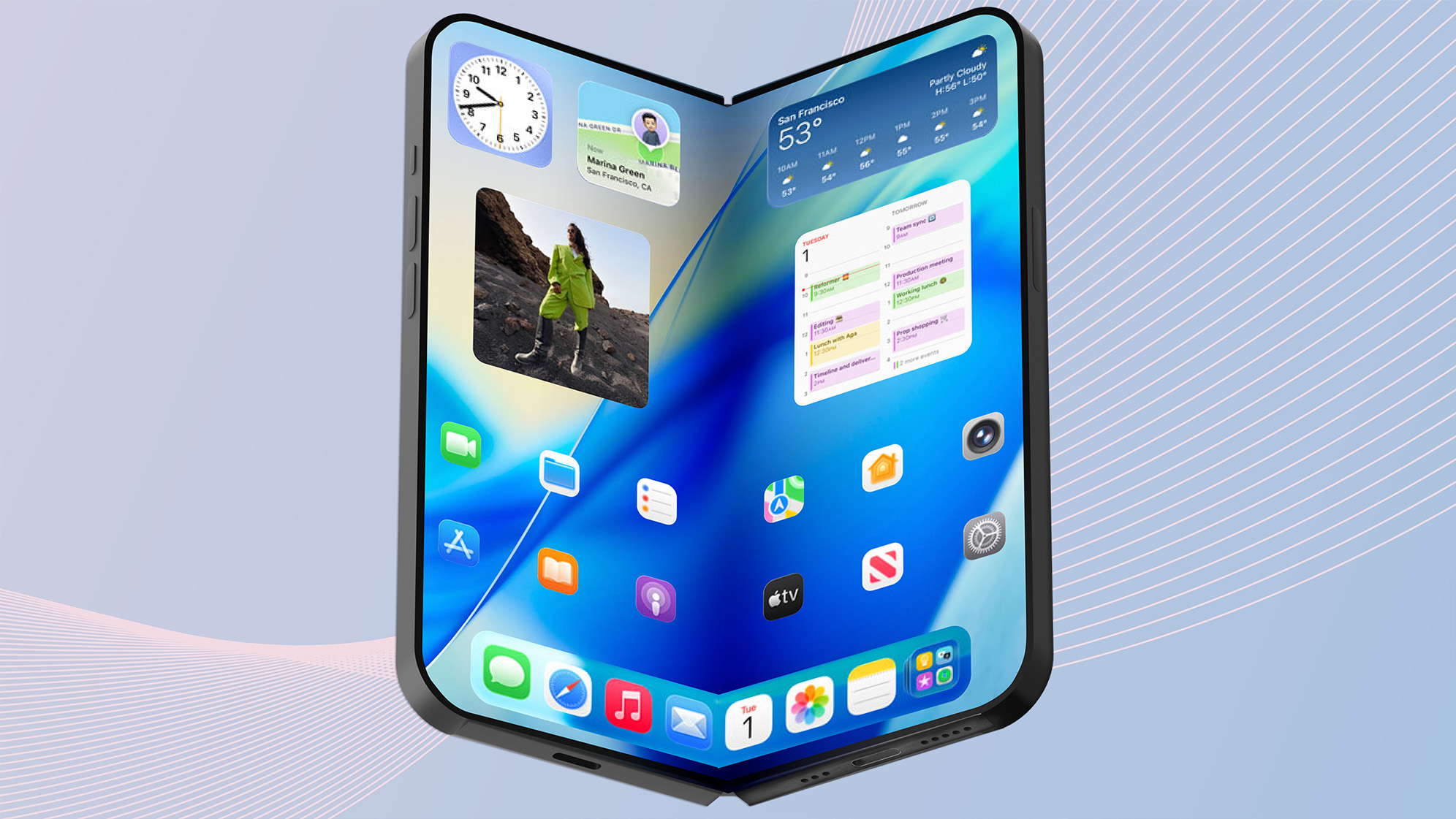
According to recent reports, Apple is exploring changes in iOS 27 that would make it significantly easier for users to switch between home screen layouts. If implemented, the update would represent one of the more meaningful steps toward personalization in the iPhone’s software evolution.
While Apple has gradually loosened its grip on home screen rigidity over the past several years, layout management remains relatively static compared to competing platforms.
A Shift Toward Dynamic Personalization
Since the introduction of widgets and app library features, Apple has signaled greater openness to customization. However, switching between different layouts — for example, separating work apps from personal apps — still requires manual rearrangement or reliance on Focus modes.
The reported iOS 27 feature could streamline that process, potentially allowing users to toggle between preconfigured layouts with minimal friction.
Such functionality would align with broader industry trends emphasizing contextual computing — where devices adapt based on time, location or activity.
Competing in a Mature Smartphone Market
Smartphone hardware innovation has plateaued in recent years, placing greater strategic weight on software differentiation. Customization has become a key battleground, particularly among younger users who expect more control over interface aesthetics and organization.
Apple has historically favored simplicity and uniformity over deep user-level customization. But competitive pressure and evolving user expectations appear to be nudging the company toward more flexible design frameworks.
If iOS 27 enables layout switching at scale, it could reduce one of the long-standing contrasts between iPhone and Android ecosystems.
Ecosystem Implications
Home screen changes rarely exist in isolation.
Layout flexibility could integrate with other Apple services such as Focus modes, Lock Screen customization and potentially even AI-driven recommendations. As Apple deepens its investment in on-device intelligence, adaptive home screens could become more dynamic over time.
For developers, expanded layout options may also influence how apps surface widgets and notifications, reshaping discoverability patterns.
What to Watch
As with any pre-release reporting, details remain subject to change until Apple formally announces its roadmap.
However, the emphasis on easier layout switching reflects a broader strategic reality: incremental software refinements now carry disproportionate importance in mature device markets.
For users, that could translate into a more fluid, personalized iPhone experience.
For Apple, it reinforces the company’s evolving philosophy — balancing control with customization as expectations continue to shift.